
Enhancing Indoor Air Quality: A Step-by-Step Guide to Using Carbon Filters
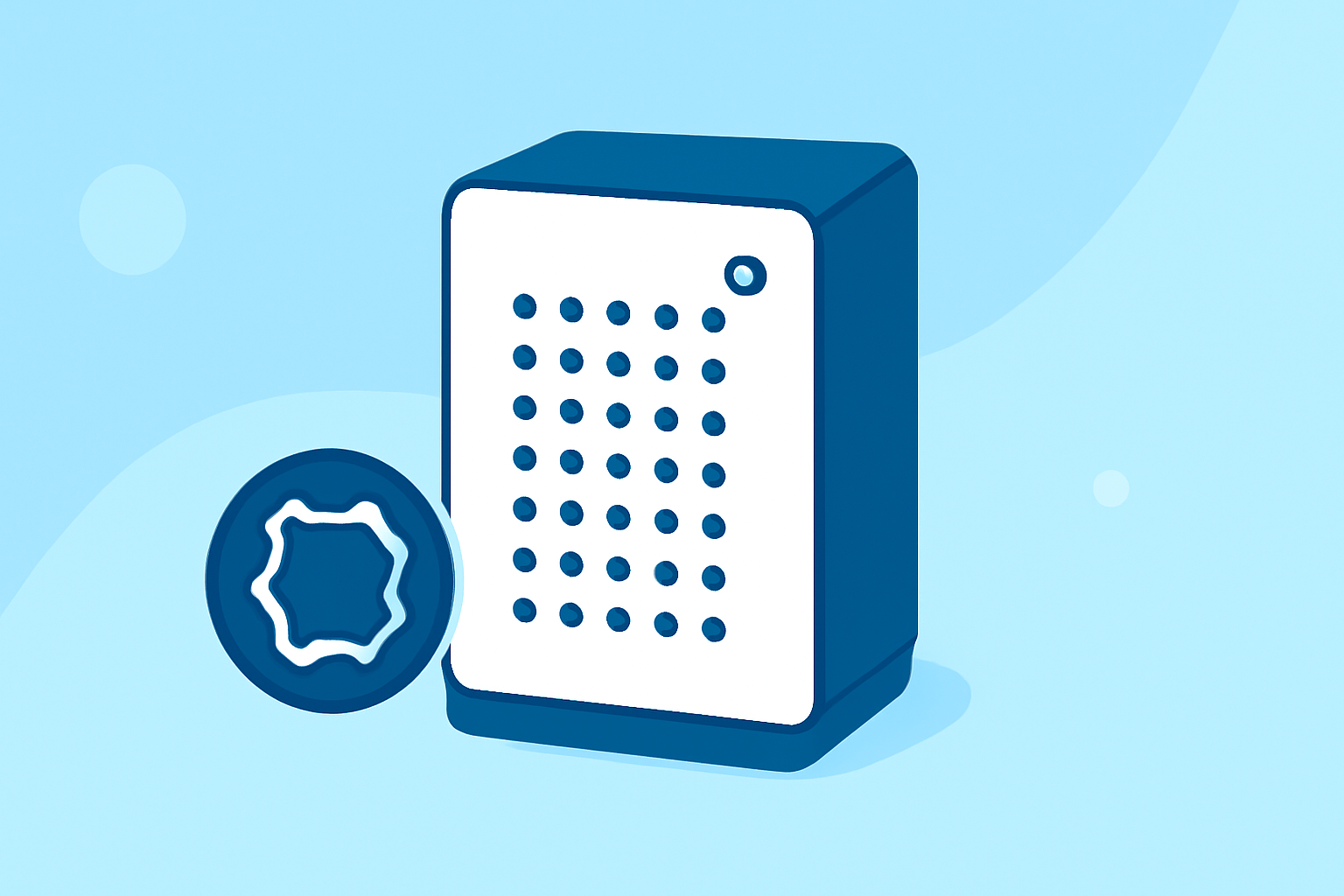
Maintaining optimal indoor air quality is essential for health and comfort. Carbon filters are a proven solution for removing odors, gases, and volatile organic compounds (VOCs) from the air. This guide provides a step-by-step approach to selecting, installing, and maintaining carbon filters in your home.
1. What Are Carbon Filters and How Do They Work?
Carbon filters utilize activated carbon to adsorb pollutants from the air. The activated carbon's porous structure traps gases, odors, and VOCs, effectively purifying the air. However, carbon filters do not capture particulate matter like dust or pollen; therefore, combining them with a HEPA filter offers comprehensive air purification. (alen.com)
2. How Do I Choose the Right Carbon Filter?
Selecting an appropriate carbon filter involves considering several factors:
-
Amount and Quality of Activated Carbon: A higher weight of activated carbon indicates a greater capacity for adsorption and a longer effective lifespan. (kemsoracing.com)
-
Physical Size and Fit: Ensure the filter matches the dimensions of your HVAC system or air purifier to prevent unfiltered air from bypassing the filter. (kemsoracing.com)
-
Type of Carbon and Additives: Filters with impregnated or treated carbon can target specific pollutants more effectively. (kemsoracing.com)
3. How Do I Install a Carbon Filter?
Proper installation is crucial for optimal performance:
-
Turn Off and Unplug the Unit: Before installation, ensure the HVAC system or air purifier is powered off to prevent accidents. (customfiltersdirect.com)
-
Remove the Old Filter: Open the filter compartment and carefully extract the used filter. (customfiltersdirect.com)
-
Clean the Area: Vacuum or wipe the surrounding area to remove any dust buildup, which can affect the new filter's efficiency. (customfiltersdirect.com)
-
Install the New Filter: Place the new filter into the compartment, ensuring it fits snugly and the airflow direction aligns with the unit's specifications. (customfiltersdirect.com)
-
Secure the Cover and Restore Power: Close the filter compartment securely and plug the unit back in. (customfiltersdirect.com)
4. How Do I Maintain and Replace Carbon Filters?
Regular maintenance ensures continued air quality improvement:
-
Regular Inspection: Periodically check the filter for signs of saturation, such as persistent odors or reduced airflow. (keephomerunning.com)
-
Replacement Schedule: Replace the carbon filter every 3–6 months, depending on usage and environmental factors. (keephomerunning.com)
-
Proper Disposal: Seal the used filter in a plastic bag before disposal to prevent trapped pollutants from escaping. (customfiltersdirect.com)
5. How Do I Enhance the Effectiveness of Carbon Filters?
To maximize the benefits of carbon filters:
-
Combine with HEPA Filters: Pairing carbon filters with HEPA filters addresses both particulate and gaseous pollutants, providing comprehensive air purification. (alen.com)
-
Maintain Optimal Airflow: Ensure that the air purifier or HVAC system operates efficiently to facilitate proper air exchange through the filter.
-
Control Indoor Sources of Pollution: Minimize activities that release VOCs and odors, such as smoking or using strong cleaning agents, to reduce the burden on the filter.
By following these steps, you can effectively utilize carbon filters to improve indoor air quality, creating a healthier and more comfortable living environment.
Highlights:
- What Does Activated Carbon Do in an Air Filter?
- Activated Carbon Filters In Air Purifiers Explained, Published on Monday, March 16
- Activated Carbon Air Filters: Everything You Need to Know | Alen, Published on Tuesday, August 13