
Enhancing Indoor Air Quality for Optimal Workout Performance
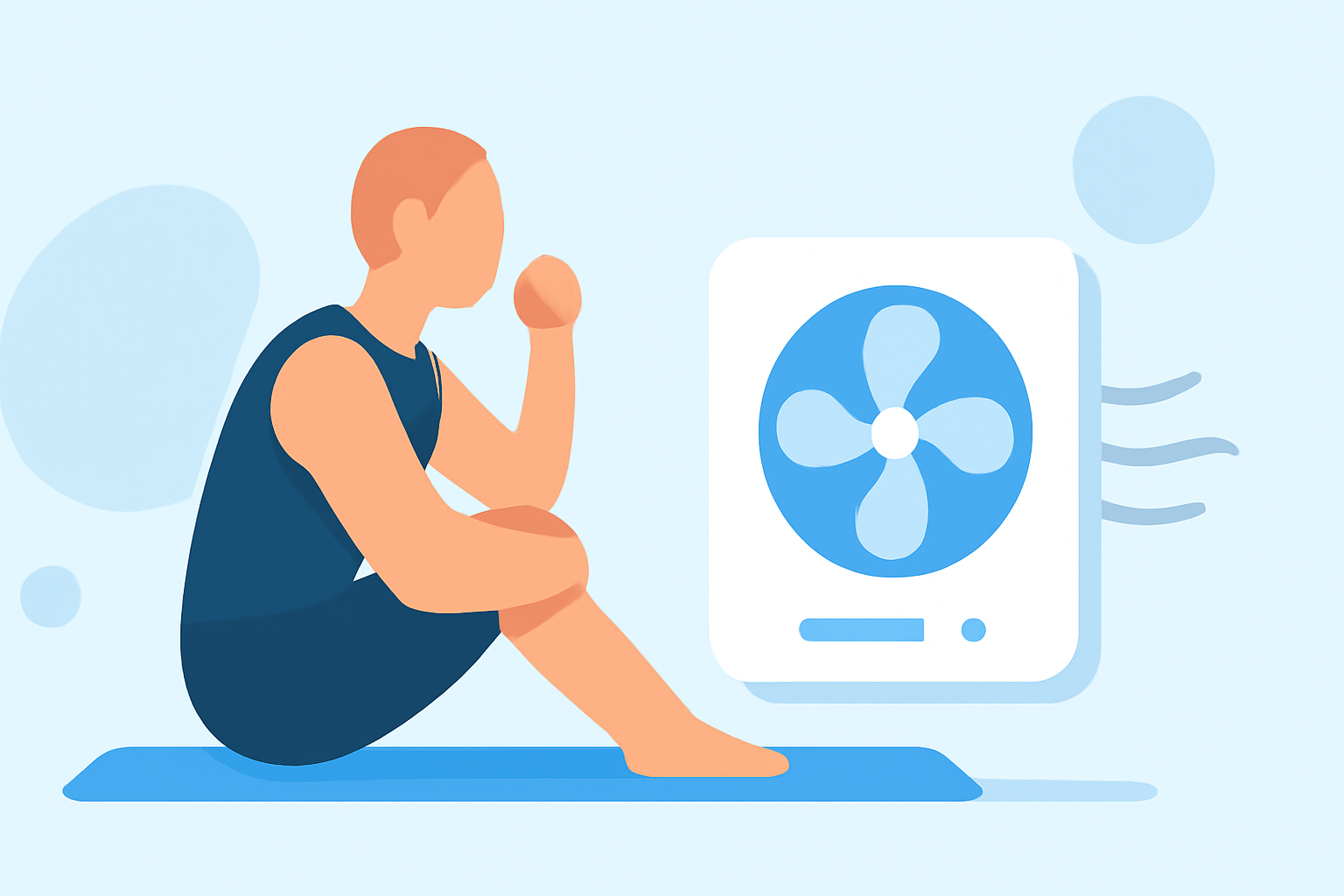
Maintaining optimal indoor air quality is crucial for enhancing workout performance and safeguarding health. During exercise, increased breathing rates can lead to inhaling higher amounts of airborne pollutants, which may adversely affect respiratory function and overall well-being. (iqair.com)
Understanding the Impact of Air Quality on Exercise
When engaging in physical activity, especially at moderate to high intensity, the body's demand for oxygen rises, resulting in deeper and more frequent breaths. This heightened breathing rate can lead to the inhalation of pollutants such as dust, mold, volatile organic compounds (VOCs) from cleaning products, and fine particulate matter (PM2.5). Studies have shown that indoor air pollution levels in gyms often surpass safety limits set by health organizations. (iqair.com)
Key Sources of Indoor Air Pollution During Workouts
-
Carbon Dioxide (CO₂): Elevated CO₂ levels in indoor environments can lead to fatigue and decreased cognitive function. (iqair.com)
-
Particulate Matter (PM2.5): Fine particles that can penetrate deep into the lungs, potentially causing respiratory issues. (iqair.com)
-
Volatile Organic Compounds (VOCs): Emitted from cleaning agents and other chemicals, VOCs can irritate the respiratory system. (iqair.com)
Effective Strategies to Improve Indoor Air Quality During Workouts
-
Ensure Proper Ventilation: Regularly open windows and doors to facilitate the exchange of indoor and outdoor air, reducing the accumulation of pollutants. (atmotube.com)
-
Utilize Air Purifiers: Invest in high-efficiency particulate air (HEPA) purifiers to filter out airborne contaminants, enhancing air quality. (blueair.com)
-
Monitor Air Quality Levels: Use devices to track CO₂ and particulate matter concentrations, ensuring they remain within safe limits. (atmotube.com)
-
Maintain Cleanliness: Regularly clean exercise equipment and surrounding areas to minimize dust and allergen buildup.
-
Control Humidity: Maintain indoor humidity levels between 30-50% to prevent mold growth and reduce the presence of dust mites.
-
Limit Use of Chemical-Based Products: Opt for natural cleaning agents to reduce the emission of VOCs into the air.
The Role of Clime in Enhancing Indoor Air Quality
Clime offers advanced air quality monitoring solutions that provide real-time data on indoor air conditions. By integrating Clime's technology, individuals can proactively manage air quality during workouts, ensuring a healthier and more effective exercise environment.
Conclusion
Prioritizing indoor air quality is essential for maximizing workout performance and maintaining overall health. By implementing strategies such as proper ventilation, utilizing air purifiers, and monitoring air quality levels, individuals can create a safer and more productive exercise space. Leveraging Clime's innovative solutions further empowers users to take control of their indoor air environment, leading to enhanced fitness outcomes.