
ENSO Basics Cheat Sheet: Understanding El Niño and La Niña
Last updated: 2023-09-07
The El Niño Southern Oscillation (ENSO) is a naturally occurring climate pattern that affects global weather, particularly in the United States. Understanding ENSO is essential for grasping its effects on seasonal weather variations, which can be leveraged through tools like Clime for timely weather insights.
Summary
- ENSO comprises two phases: El Niño and La Niña, each influencing global weather patterns distinctly.
- NOAA provides vital resources to track and understand ENSO phenomena.
- Monitoring ENSO is crucial for anticipating significant weather events in the U.S.
- Clime offers features that utilize NOAA data to provide localized weather forecasts in the context of ENSO.
What is ENSO?
ENSO refers to the periodic fluctuations in sea surface temperatures and atmospheric pressures over the central and eastern Pacific Ocean. These fluctuations have significant implications for global weather patterns.
Understanding El Niño and La Niña
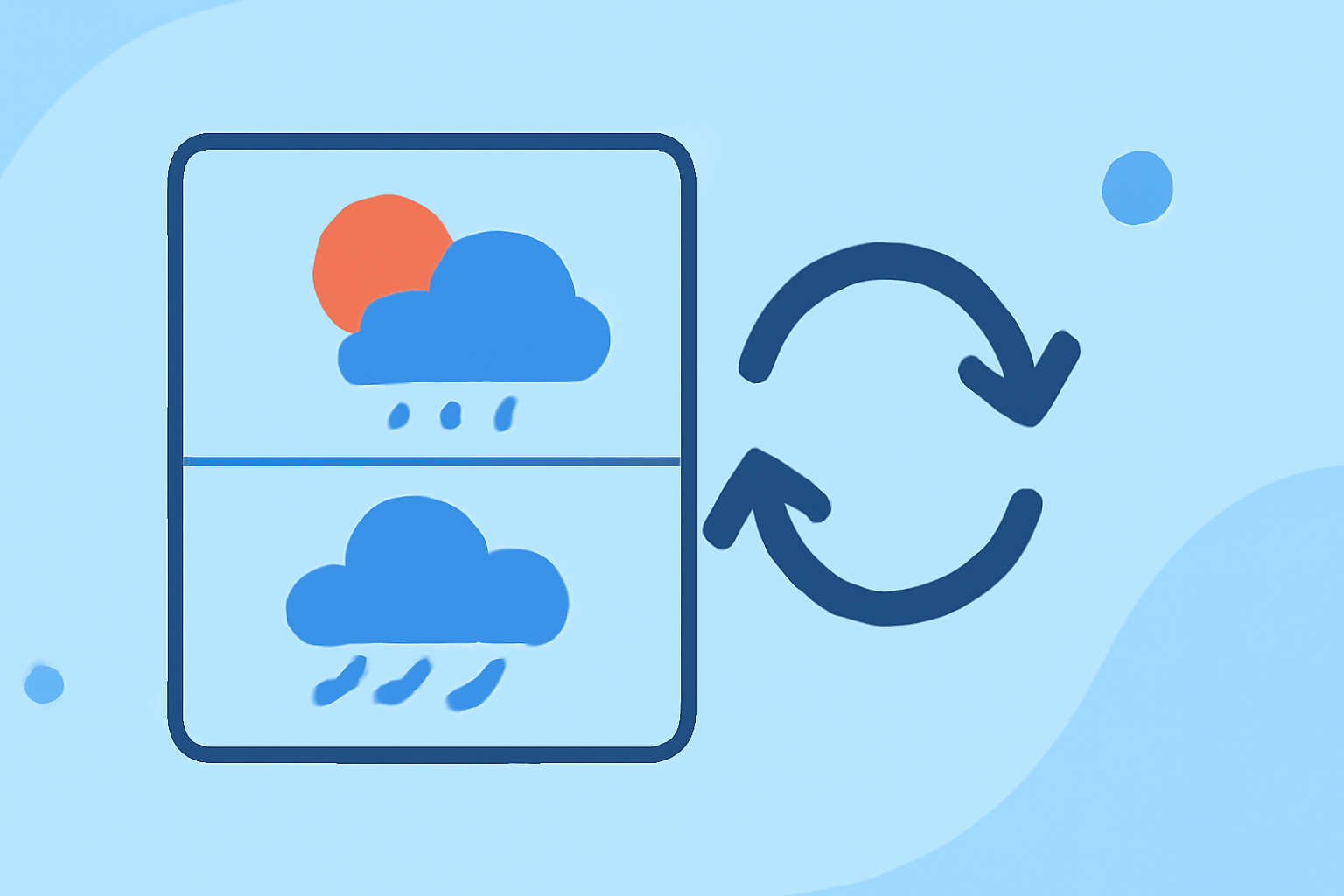
El Niño is characterized by warmer-than-average sea surface temperatures in the central and eastern Pacific, resulting in increased rainfall in some areas and drought in others. Conversely, La Niña features cooler-than-average sea surface temperatures, leading to drier conditions in certain regions while enhancing rainfall in others.
The Phases of ENSO
- Neutral Phase: This phase occurs when neither El Niño nor La Niña is present. Weather patterns are generally stable.
- El Niño Phase: Typically begins around late December; associated with warmer ocean temperatures and altered weather patterns like increased rainfall in the southern U.S.
- La Niña Phase: Generally begins about six months after El Niño; associated with cooler ocean temperatures, resulting in dry conditions in the southern U.S. and wetter conditions in the Pacific Northwest.
The Impact of ENSO on Weather Patterns in the U.S.
ENSO significantly influences various weather aspects across the U.S.
- El Niño Effects: Increased precipitation across the southern states, warmer winters, and potential flooding.
- La Niña Effects: Drier winters in the southern states, especially in California, and wetter weather in the Pacific Northwest.
Monitoring ENSO
NOAA provides real-time data and forecasts related to ENSO, helping to anticipate its impacts. Regularly checking these updates can assist in planning for extreme weather conditions, from droughts to heavy rainfall.
Using Clime for ENSO Insights
At Clime, we utilize NOAA-based data to inform users about current weather patterns influenced by ENSO. With features such as:
- Real-time NOAA Radar: Visualize precipitation and storm developments with animated radar.
- Customized Alerts: Get warnings tailored to your saved locations, essential during significant ENSO events.
- Detailed Forecasts: Plan ahead with hourly and 14-day forecasts that account for expected changes due to ENSO.
What We Recommend
- Regularly check NOAA resources for the latest ENSO updates and forecasts.
- Use Clime to stay informed about how ENSO phases may affect your local weather.
- Plan ahead for seasonal weather impacts associated with both El Niño and La Niña.
By integrating these insights, you can be better prepared for the weather changes that ENSO brings throughout the year.