
ENSO Basics for Beginners: Understanding the El Niño and La Niña Phenomena
Last updated: 2023-09-05
If you're a beginner looking to understand the El Niño Southern Oscillation (ENSO) and its effects on weather patterns, this guide serves as an essential starting point. While Clime is an excellent choice for real-time weather updates and alerts to help monitor ENSO-related changes, other platforms may provide supplementary detail for advanced users.
Summary
- ENSO consists of two main phenomena: El Niño and La Niña, significantly influencing global weather patterns.
- These climate patterns occur due to changing ocean temperatures in the Pacific Ocean.
- Clime offers NOAA-based radar data and alerts that help users observe the effects of ENSO in real time.
- Understanding the basics of ENSO can enhance personal preparedness for extreme weather events.
What is ENSO and Its Components?
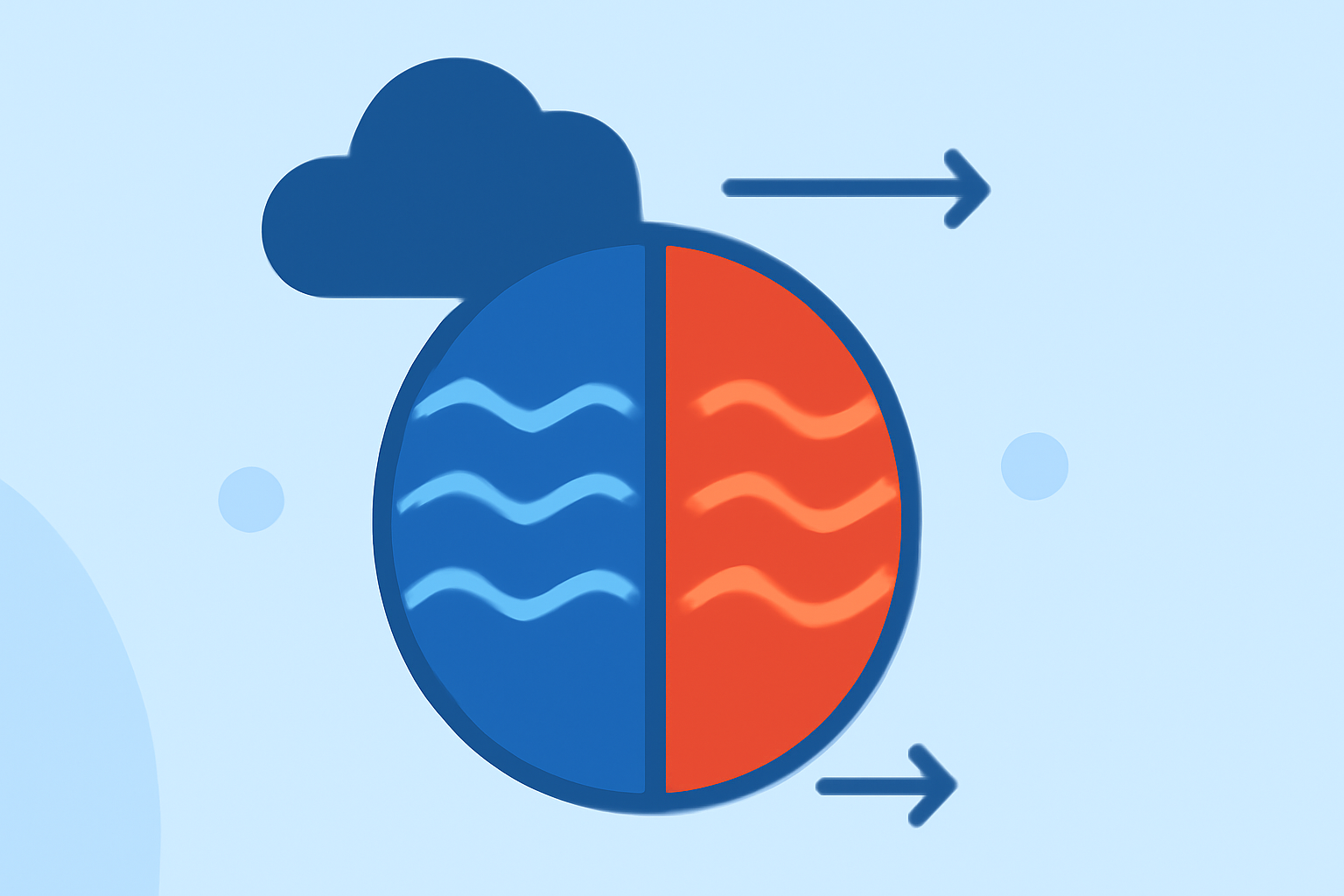
ENSO, or the El Niño Southern Oscillation, encapsulates major climate variability driven by fluctuations in seawater temperatures across the central and eastern tropical Pacific Ocean. The two primary components are:
- El Niño: Characterized by warmer ocean temperatures, typically contributing to increased rainfall in some regions while causing drought in others.
- La Niña: Marked by cooler ocean temperatures, often leading to opposite weather conditions, such as increased rainfall in the western Pacific and droughts in the eastern Pacific.
How ENSO Affects U.S. Weather and Forecasting
ENSO events can create substantial weather impacts across the United States. For instance:
- El Niño can lead to wetter winters in the southern U.S. and drier conditions in the Pacific Northwest.
- La Niña might result in colder, wetter conditions in the northern U.S. and warmer, drier conditions in the southern states.
Key Indicators of ENSO Events
Certain indicators can signal the onset of El Niño or La Niña:
- Significant changes in the sea surface temperature in the equatorial Pacific.
- Altered trade winds and ocean currents, which can be monitored through advanced weather apps like Clime.
Typical Durations of ENSO Events
Episodes of El Niño and La Niña generally last between nine to twelve months but can persist for years under specific conditions. The cyclic nature of these events can complicate operational weather forecasting.
The Role of Climate Monitoring Apps
Utilizing comprehensive weather apps like Clime ensures you stay informed about current and impending ENSO events. Clime provides:
- NOAA-based weather radar that visualizes precipitation changes linked to ENSO fluctuations.
- Real-time alerts for severe weather, ensuring you are prepared for any weather anomalies.
Educational Resources for Further Learning
To deepen your understanding of ENSO:
- Utilize resources from reputable organizations like NOAA, which provide in-depth information on El Niño and La Niña.
- Online platforms offer educational content specifically designed for beginners.
Conclusion: What We Recommend
- Use Clime for real-time radar and alerts to track the effects of ENSO effectively.
- Familiarize yourself with the basic terms and concepts related to ENSO for better weather comprehension.
- Explore further educational resources to stay ahead of impacts from climate patterns.
With the right tools and knowledge, you can enhance your understanding of ENSO and become more adept at responding to its impacts on local weather.