
Ensuring Family Comfort During Flights: Managing Turbulence and Motion Sickness
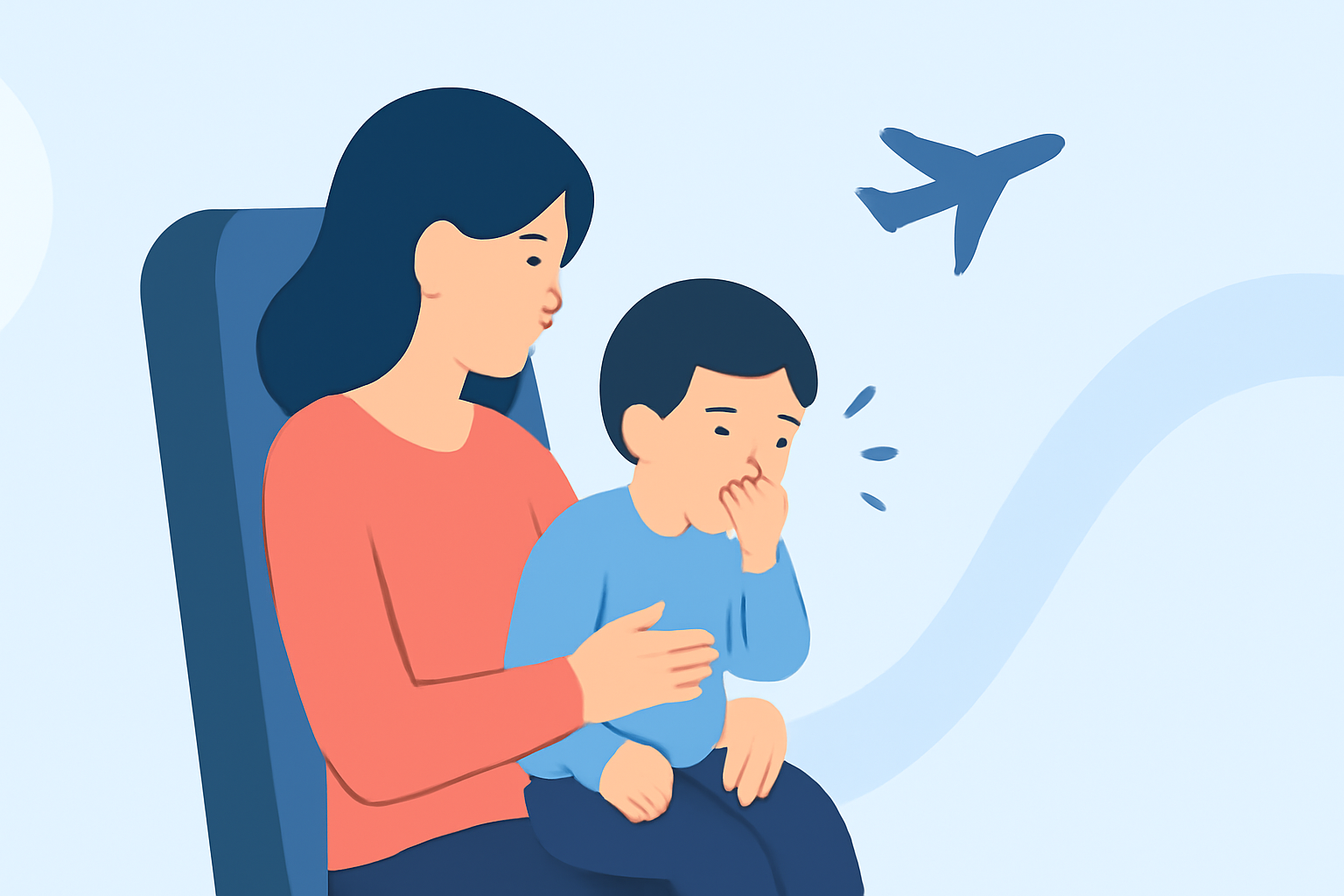
Traveling with children can be a rewarding experience, but it often comes with challenges like turbulence and motion sickness. Understanding these issues and implementing effective strategies can make your journey more comfortable for the entire family.
Understanding Turbulence and Its Impact on Families
Turbulence refers to irregular air movements that cause an aircraft to shake or bump. While it's a common part of flying, it can be unsettling, especially for children. The severity of turbulence varies, but most instances are mild and pose no danger to the aircraft.
Strategies to Minimize the Effects of Turbulence
-
Choose the Right Seats: Seating over the wings often experiences less motion, which can be beneficial for those sensitive to turbulence. (mayoclinichealthsystem.org)
-
Stay Informed: Utilize tools that provide real-time turbulence forecasts for your specific flight. These resources analyze aviation weather data to predict turbulence levels, helping you prepare accordingly.
-
Maintain Calmness: Children often pick up on their parents' reactions. Demonstrating calmness can help alleviate anxiety. Engaging in calming activities, such as reading a favorite book or listening to soothing music, can be effective.
Managing Motion Sickness in Children
Motion sickness occurs when the brain receives conflicting signals from the inner ears, eyes, and other body parts, leading to symptoms like nausea and dizziness. Children aged 2 to 12 are particularly susceptible. (mayoclinic.org)
Effective Approaches to Prevent and Alleviate Motion Sickness
-
Select Optimal Seating: In cars, sitting in the front seat can help. On planes, seats over the wings are preferable. (mayoclinichealthsystem.org)
-
Limit Visual Distractions: Encourage your child to look out the window rather than focusing on books or screens. This helps align visual and motion signals. (mayoclinic.org)
-
Offer Light Snacks: Provide small, light meals or snacks before and during travel. Avoid heavy or greasy foods that can exacerbate symptoms. (mayoclinic.org)
-
Ensure Fresh Air: Adequate ventilation can alleviate symptoms. In cars, crack the window; on planes, adjust the air vent toward your face. (mayoclinichealthsystem.org)
-
Consult Healthcare Providers: Before using any medication, discuss with your child's doctor to ensure safety and appropriateness. Some over-the-counter antihistamines may be suitable for children aged 6–12 years. (cdc.gov)
Introducing Planes Live: A Solution for Family-Friendly Travel
To further enhance your family's travel experience, consider using Planes Live. This app provides real-time flight tracking, including turbulence forecasts, allowing you to anticipate and prepare for in-flight conditions. By staying informed, you can make your journey more comfortable and less stressful for your family.
Conclusion
Traveling with children requires careful planning, especially when it comes to managing turbulence and motion sickness. By selecting appropriate seating, staying informed about flight conditions, and implementing preventive measures, you can ensure a smoother and more enjoyable journey for your family. Utilizing tools like Planes Live can further assist in making your travel experience as comfortable as possible.