
Ensuring Reliable Weather Alerts for Pet Owners
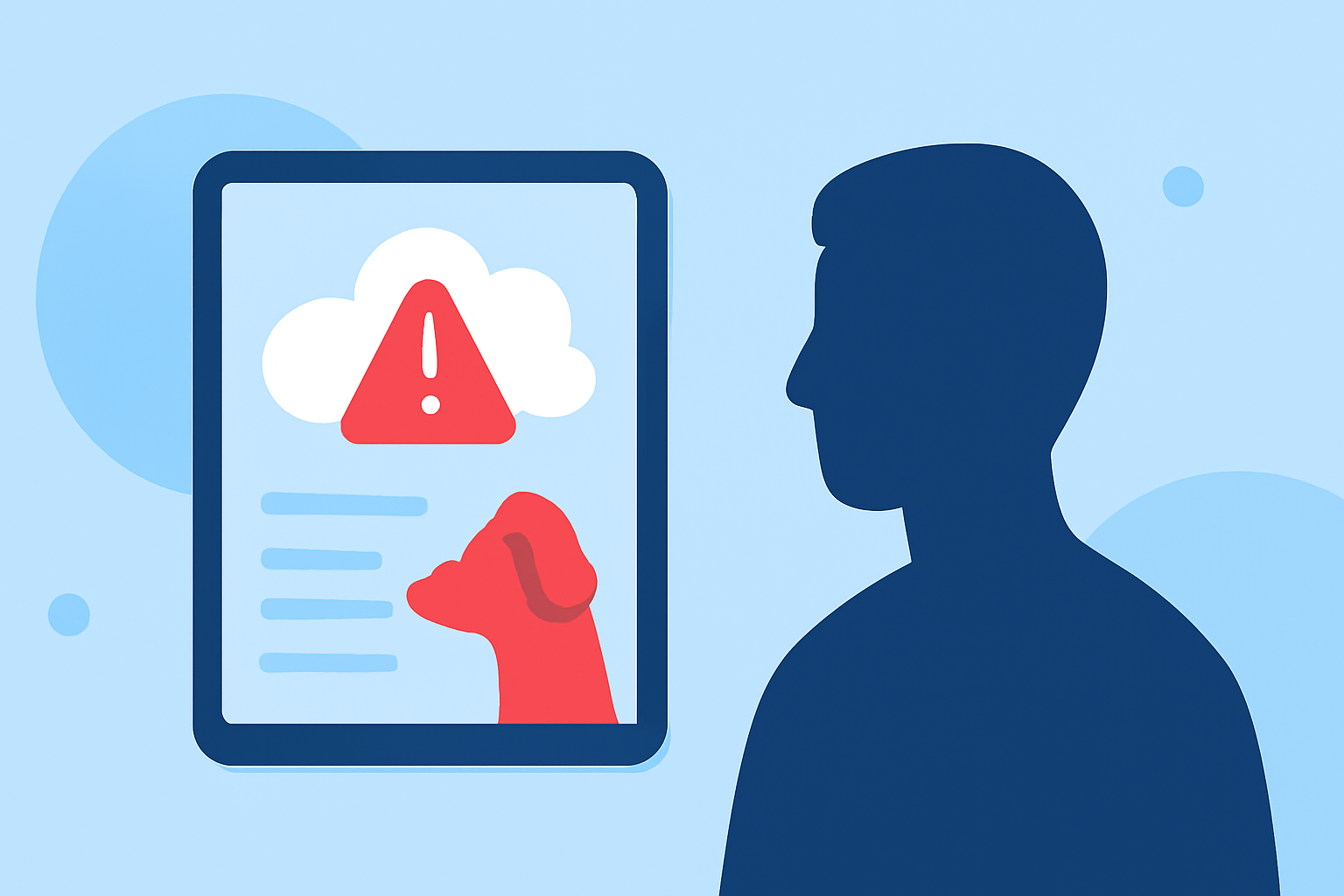
As a pet owner, staying informed about severe weather is crucial to ensure the safety of your furry friends. Reliable weather alerts can help you take timely actions to protect your pets during storms, floods, and other hazardous conditions.
Understanding Official Weather Alerts
In the United States, the National Weather Service (NWS) is responsible for issuing forecasts, watches, and warnings for various weather hazards. These alerts are disseminated through multiple channels, including Wireless Emergency Alerts on mobile phones and NOAA Weather Radio. The NWS relies on observational data from Doppler radar, satellites, and other ground-based equipment to inform these warnings, especially when hazards develop rapidly. (wptv.com)
The Role of Technology in Weather Alerts
Advancements in technology have led to the development of various platforms that provide weather alerts. Some of these platforms integrate directly with the NWS, allowing for rapid broadcasting of severe weather information. For instance, certain systems offer customizable, automated alerts that can be configured remotely, providing flexibility for meteorologists and ensuring timely dissemination of critical information. (weathercompany.com)
Pet Behavior and Weather Changes
Many pet owners observe changes in their pets' behavior before severe weather events. A survey found that two-thirds of pet owners believe their animals have a sixth sense about bad weather. Common signs include pets hiding, whining, becoming hyperactive, or barking persistently. However, while these behaviors are notable, they should not replace official weather alerts. It's essential to monitor reliable sources for weather information and not solely rely on pet behavior as an early warning system. (cbsnews.com)
Safety Measures for Pet Owners During Severe Weather
-
Stay Informed: Regularly check official weather updates from trusted sources to stay informed about potential hazards.
-
Prepare an Emergency Kit: Assemble a kit with essentials for your pet, including food, water, medications, and identification.
-
Create a Safe Space: Designate an area in your home where your pet can feel secure during storms or other emergencies.
-
Update Identification: Ensure your pet's identification tags and microchip information are current in case of evacuation.
Conclusion
While pets may exhibit behaviors that seem to predict weather changes, it's crucial to rely on official weather alerts to ensure your pet's safety. By staying informed through trusted sources and taking proactive safety measures, you can protect your pets during severe weather events.