
Ensuring Safe Baseball Play During Severe Weather
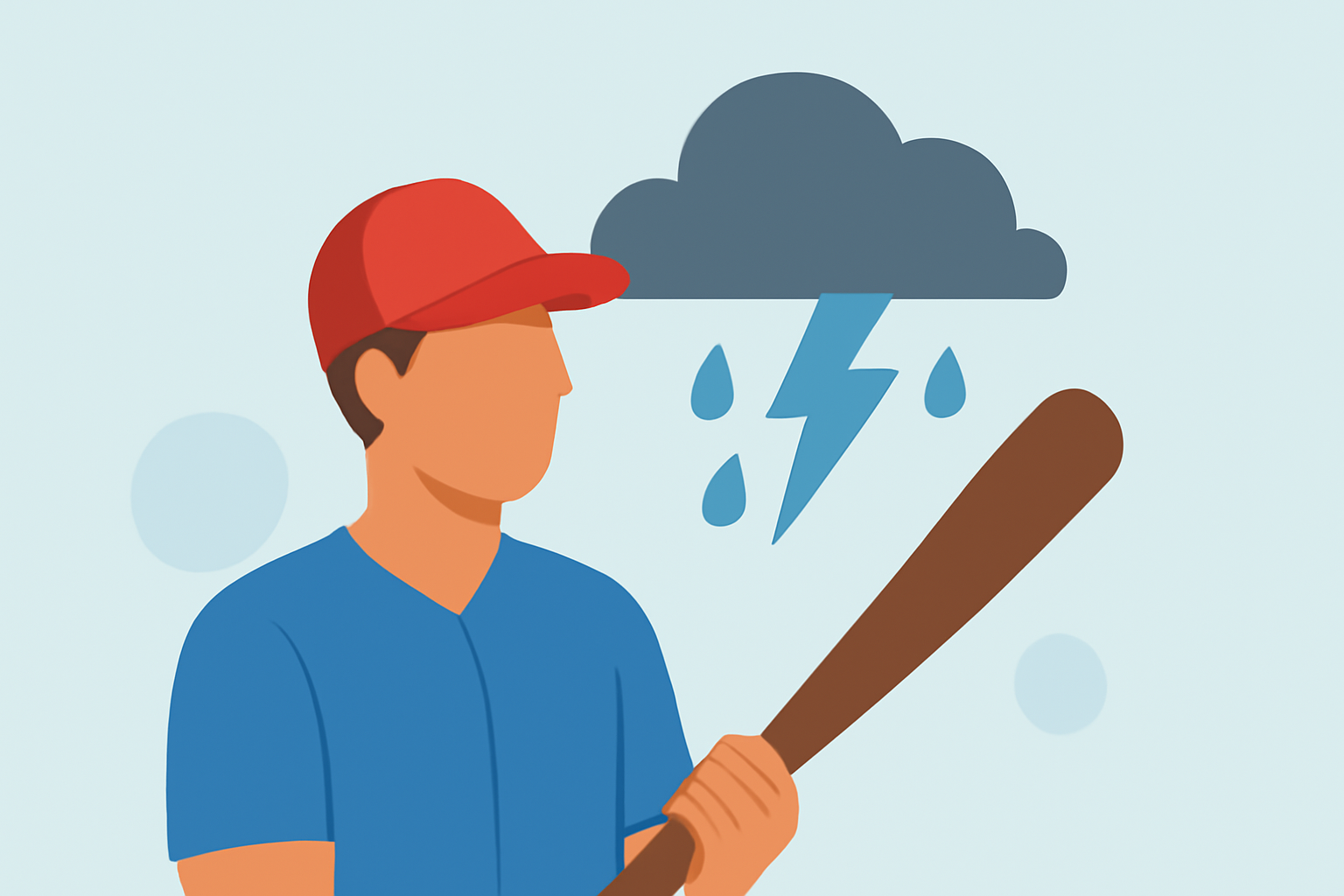
Ensuring the safety of players, coaches, and spectators during severe weather is paramount in baseball. Adhering to established guidelines can significantly reduce the risk of weather-related incidents.
Understanding the Risks of Severe Weather in Baseball
Severe weather conditions, particularly thunderstorms, pose significant risks during baseball games and practices. Lightning is a primary concern, as it can strike without warning, endangering everyone present. The National Weather Service reports that lightning strikes can cause death or permanent disability, with more than 400 people in the United States struck by lightning each year, resulting in an average of 49 deaths. (healthychildren.org)
Establishing a Lightning Safety Action Plan
To mitigate these risks, it's essential to have a comprehensive lightning safety action plan in place. Key components include:
-
Evacuation Procedures: Clearly defined steps for players and spectators to follow when severe weather is imminent.
-
Weather Monitoring: Appointing a designated individual to continuously monitor weather forecasts and reports.
-
Safe Shelters: Identifying and communicating the locations of safe shelters, such as fully enclosed buildings or vehicles with hard metal roofs. (cdc.gov)
Implementing the 30/30 Rule
A widely recognized guideline is the 30/30 Rule:
-
30 Seconds: If lightning is seen or thunder is heard, suspend play immediately.
-
30 Minutes: Wait at least 30 minutes after the last lightning flash or thunderclap before resuming activities. (cdc.gov)
Designating Safe Shelters
Not all structures provide adequate protection during a lightning storm. Safe shelters include:
-
Fully Enclosed Buildings: Structures with four solid walls, a roof, and electrical wiring.
-
Vehicles: Cars, trucks, and buses with hard metal roofs and rolled-up windows.
Avoid seeking shelter under trees, dugouts, or metal structures, as they do not offer sufficient protection. (cdc.gov)
Communication and Education
Effective communication is crucial during severe weather events. Coaches, umpires, and league officials should be trained to recognize signs of impending storms and to communicate promptly with players and spectators. Regular education on weather safety protocols can enhance preparedness and response times. (ue.org)
Conclusion
Prioritizing safety during severe weather conditions is essential for the well-being of everyone involved in baseball activities. By implementing comprehensive safety plans, adhering to established guidelines, and fostering a culture of awareness and preparedness, the risks associated with severe weather can be significantly minimized.
Highlights:
- Lightning and Organized Sporting Event Recommendations | Lightning | CDC, Published on Sunday, April 14
- Severe Weather at Outdoor Athletic Events | United Educators
- Lightning & Sports Safety: When Thunder Roars Go Indoors - HealthyChildren.org, Published on Wednesday, June 15