
Ensuring Safe Exercise for Pet Owners Amidst Air Quality Concerns
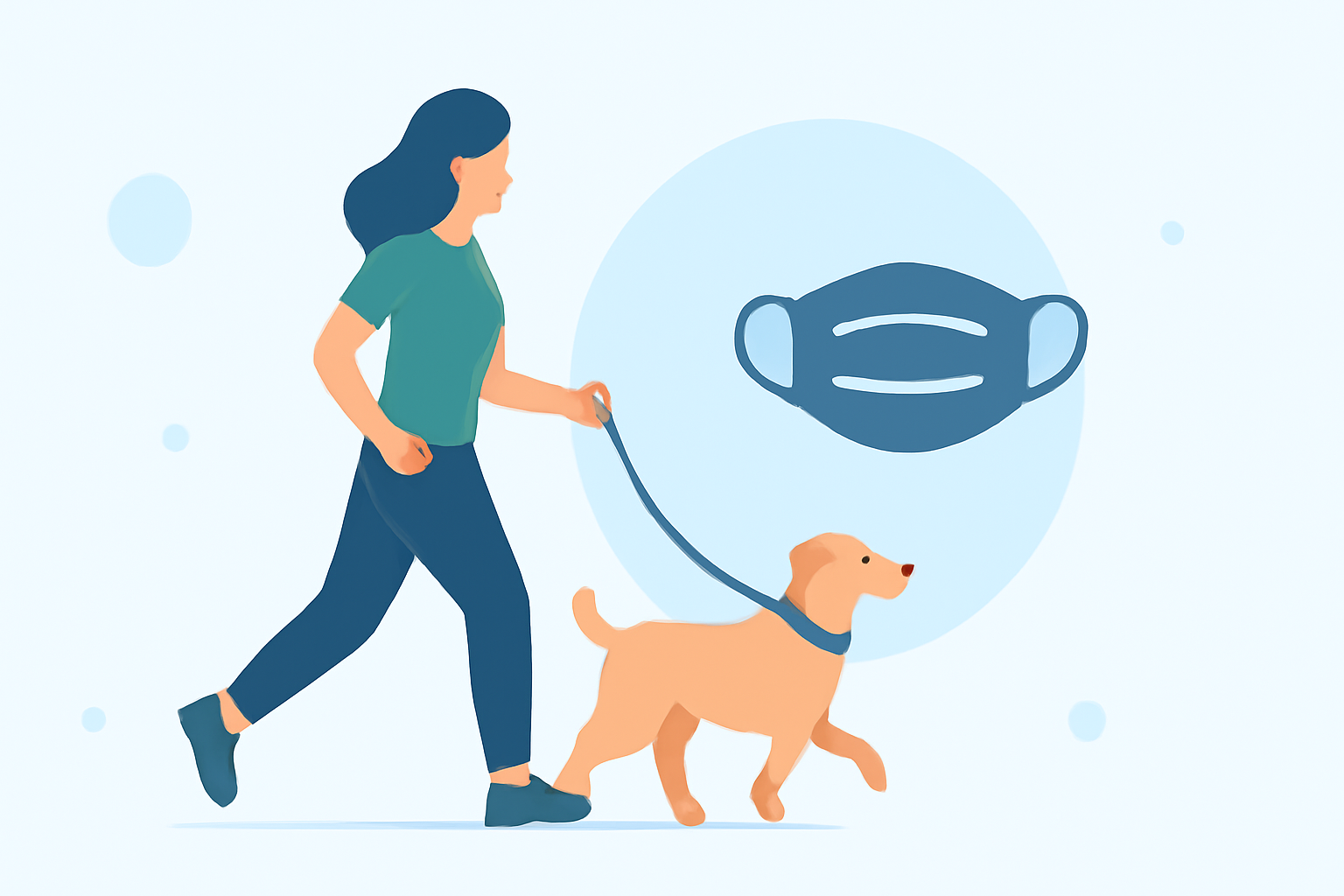
As a pet owner, ensuring your furry companion's health during outdoor activities involves more than just monitoring their physical well-being. Air quality plays a crucial role in your pet's safety, especially during exercise. Understanding how to navigate different air quality levels can help you make informed decisions about your pet's outdoor activities.
Understanding Air Quality and Its Impact on Pets
The Air Quality Index (AQI) measures the concentration of pollutants in the air, which can affect both humans and animals. An AQI of 0–50 is considered good, 51–100 moderate, 101–150 unhealthy for sensitive groups, 151–200 unhealthy, 201–300 very unhealthy, and 301–500 hazardous. Pets, particularly dogs, are susceptible to air pollution, which can lead to respiratory issues, eye irritation, and other health problems. (yegvet.ca)
How Air Quality Affects Pets During Exercise
When exercising outdoors, pets inhale more air, increasing their exposure to pollutants. This is particularly concerning for breeds with short muzzles, such as Bulldogs and Pugs, as they are more prone to respiratory distress. Additionally, older pets and those with pre-existing health conditions like heart disease or asthma are at a higher risk. (vet.cornell.edu)
Guidelines for Exercising Pets in Various AQI Levels
-
AQI 0–50 (Good): Normal outdoor activities are safe.
-
AQI 51–100 (Moderate): Outdoor activities are generally safe, but sensitive pets may experience mild effects.
-
AQI 101–150 (Unhealthy for Sensitive Groups): Sensitive pets may experience health effects. Limit outdoor activities to short walks and avoid vigorous exercise.
-
AQI 151–200 (Unhealthy): All pets may experience health effects. Limit outdoor activities to brief bathroom breaks.
-
AQI 201–300 (Very Unhealthy): Health alert: everyone may experience health effects. Avoid outdoor activities.
-
AQI 301–500 (Hazardous): Health warning of emergency conditions. Avoid all outdoor activities.
These guidelines are adapted from recommendations by the Cornell University College of Veterinary Medicine. (vet.cornell.edu)
Protective Measures for Pet Owners
-
Monitor Air Quality: Regularly check the AQI in your area before planning outdoor activities.
-
Limit Exercise During Poor Air Quality: On days with high AQI levels, opt for indoor play and exercise.
-
Choose Optimal Times for Outdoor Activities: If outdoor exercise is necessary, select times when air quality is better, such as early morning or late evening.
-
Provide Indoor Enrichment: Engage your pet in indoor activities like puzzle toys, training sessions, or scent games to keep them stimulated without exposing them to poor air quality.
-
Maintain Clean Indoor Air: Use air purifiers with HEPA filters to reduce indoor pollutants.
Recognizing Symptoms of Poor Air Quality Exposure
Be vigilant for signs that your pet may be affected by poor air quality, including:
-
Coughing or gagging
-
Rapid breathing even at rest
-
Eye redness or discharge
-
Lethargy or reluctance to exercise
If you observe any of these symptoms, consult your veterinarian promptly. (vet.cornell.edu)
Conclusion
Ensuring your pet's safety during exercise involves being proactive about air quality conditions. By staying informed and adjusting your pet's activities accordingly, you can help protect their health and well-being.
Highlights:
- Dog owners are concerned about ambient air quality and require veterinary guidance - PubMed, Published on Thursday, October 02
- How Air Quality Affects Pets: What Every Pet Owner Needs to Know
- Dog safety during poor air quality alerts or wildfire smoke | Cornell University College of Veterinary Medicine, Published on Monday, December 22