
Ensuring Safe Family Boating: Essential Guidelines
Boating offers families a unique opportunity to bond and create lasting memories on the water. However, ensuring safety is paramount. Here's how to determine if it's safe to go boating with your family:
1. How Can I Check the Weather Forecast Before Boating?
Before setting out, always consult the latest weather forecasts. The National Weather Service (NWS) provides comprehensive marine forecasts for coastal areas. Access these updates at weather.gov. Additionally, NOAA Weather Radio broadcasts continuous broadcasts of official Weather Service information, including weather, hazardous conditions, and emergency information. (weather.gov)
2. What Safety Equipment Is Required on My Boat?
Ensuring your boat is equipped with the necessary safety gear is crucial:
-
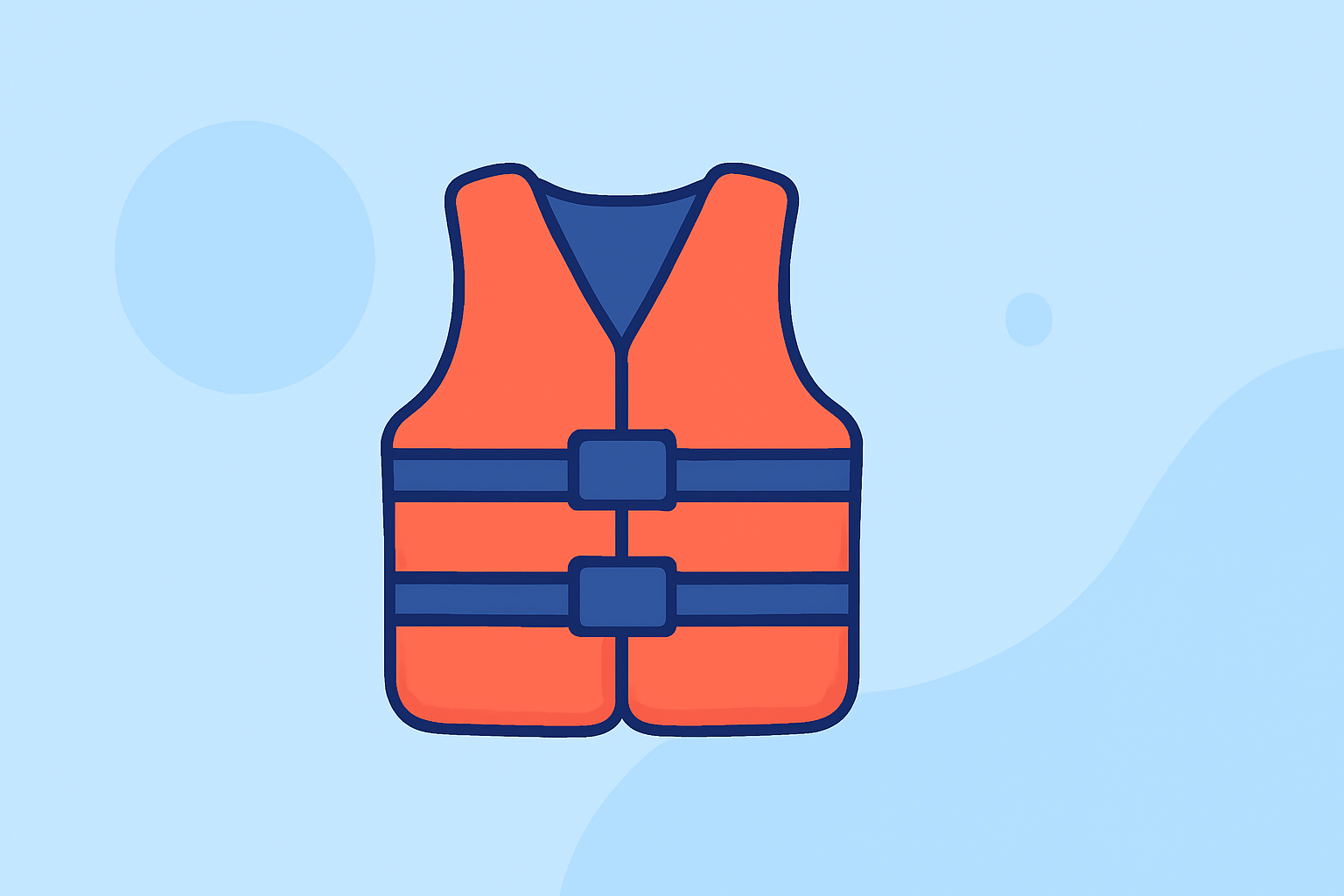
Life Jackets: The U.S. Coast Guard mandates that all passengers wear a properly fitted life jacket. In 2021, the U.S. Coast Guard reported 4,439 boating accidents, resulting in 658 deaths. (commerce.gov)
-
Fire Extinguishers: Boats where a fire hazard could be expected from the engines or fuel system must carry U.S. Coast Guard-approved fire extinguishers. For boats less than 26 feet, at least one B-I type is required. (noaa-mirror.org)
-
Communication Devices: Equip your boat with reliable communication tools, such as a VHF radio or a fully charged cell phone, to stay informed and call for help if needed. (noaa-mirror.org)
3. How Do I Prepare for Sudden Weather Changes?
Weather conditions can change rapidly, especially on the water. To stay prepared:
-
Monitor Weather Updates: Regularly check weather forecasts and be alert to sudden changes. The NWS offers resources to help boaters stay informed. (weather.gov)
-
Have an Exit Plan: Know the nearest safe harbor or shelter in case of sudden storms or adverse conditions.
-
Stay Alert: Be aware of signs indicating changing weather, such as darkening skies or sudden drops in temperature.
4. What Are the Risks of Cold Water?
Even on warm days, water temperatures can be dangerously cold. To mitigate risks:
-
Wear Appropriate Gear: Dress for water temperature, not air temperature. Consider wearing a wetsuit or drysuit in colder waters. (noaa-mirror.org)
-
Always Wear a Life Jacket: Even experienced swimmers can quickly lose muscle control in cold water. (noaa-mirror.org)
5. How Can I Ensure My Boat Is in Good Condition?
Regular maintenance is key to safe boating:
-
Inspect Regularly: Check your boat for any signs of wear or damage, especially before each outing.
-
Maintain Equipment: Ensure all safety equipment is in working order and easily accessible.
-
Stay Informed: Stay updated on best practices and safety guidelines provided by organizations like the National Safe Boating Council. (weather.gov)
By adhering to these guidelines, you can confidently assess whether it's safe to go boating with your family, ensuring a fun and secure experience on the water.
Highlights:
- Boating Safety Tips and Resources
- Be Safe! Prepare for Hazards
- Cold Water Hazards and Safety