
Ensuring Safe Ice Skating for Pet Owners: A Comprehensive Guide
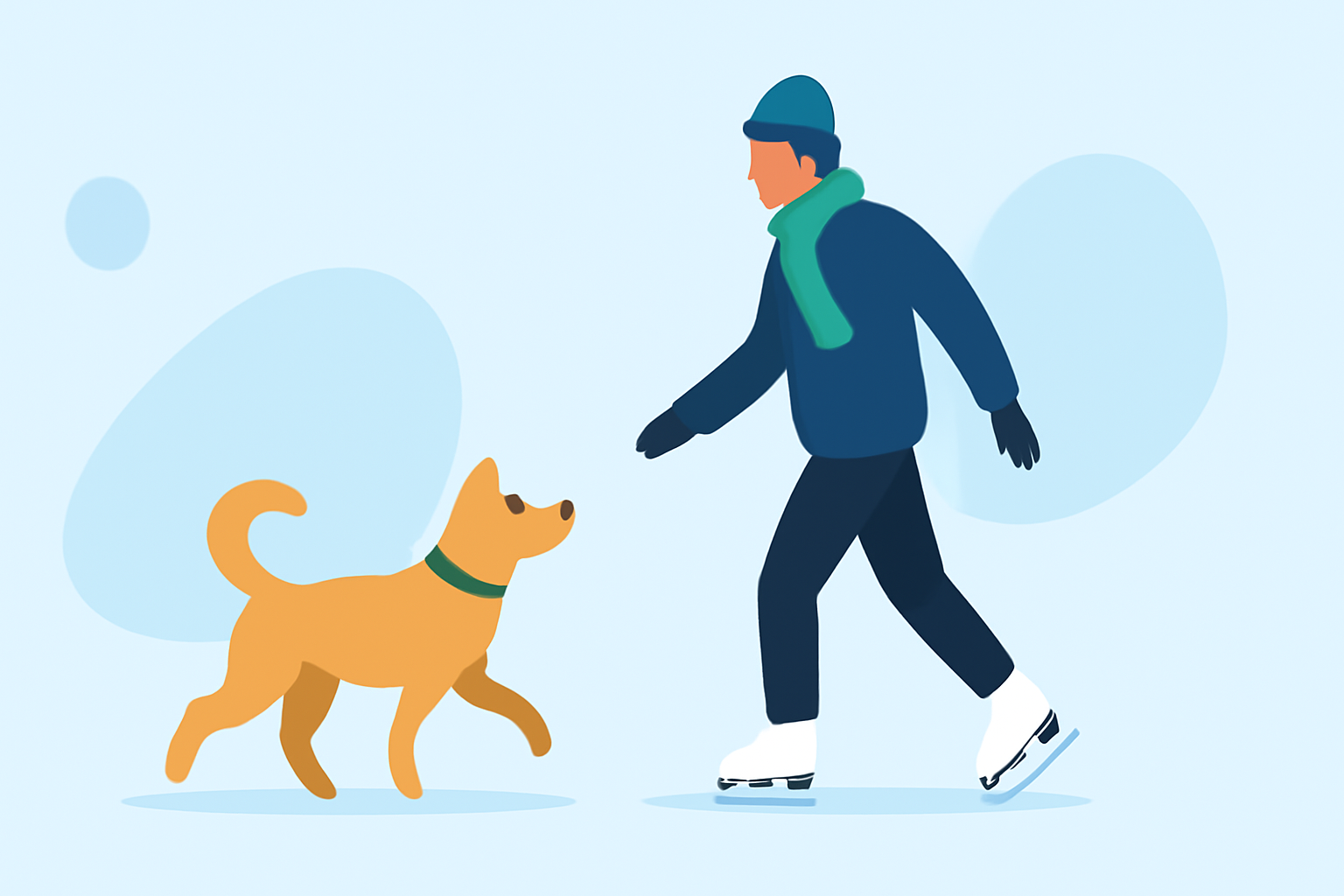
Ice skating with your pet can be a delightful winter activity, but it's crucial to prioritize safety for both you and your animal companion. This guide provides essential information on weather conditions, ice safety, and best practices to ensure a secure and enjoyable experience.
What Weather Conditions Are Ideal for Ice Skating with Pets?
The safety of ice skating with pets is heavily influenced by weather conditions. Cold temperatures are essential for forming strong, stable ice. Generally, ice is considered safe for walking when it is at least 4 inches thick. However, ice thickness can vary based on factors such as water currents, snow cover, and temperature fluctuations. It's important to note that ice conditions can change rapidly, so always check local advisories before heading out. (ktvh.com)
How Can I Assess Ice Thickness and Safety?
Before venturing onto frozen bodies of water, it's crucial to assess the ice's safety. A general guideline is that ice should be at least 4 inches thick for walking. However, ice thickness can vary based on factors such as water currents, snow cover, and temperature fluctuations. Always check local advisories and consult with local authorities or park services for the most accurate and up-to-date information. (ktvh.com)
What Are the Risks of Ice Skating with Pets?
Engaging in ice skating activities with pets carries inherent risks, including the potential for thin or unstable ice leading to falls or injuries. Additionally, pets may be more susceptible to cold-related health issues such as frostbite or hypothermia. It's essential to monitor your pet's behavior and health closely during such activities. (vet.cornell.edu)
How Can I Keep My Pet Safe During Winter Activities?
To ensure your pet's safety during winter activities:
-
Limit Outdoor Time: Keep outdoor excursions brief and monitor your pet for signs of discomfort or cold stress.
-
Protect Paws: Use pet-safe ice melts around your home and consider applying paw balm or protective wax before going outside. (whiskerdocs.com)
-
Dress Appropriately: For short-haired or small dogs, consider using a coat or sweater to provide extra warmth. (vet.cornell.edu)
-
Monitor Health: Be vigilant for signs of frostbite or hypothermia, such as shivering, lethargy, or behavioral changes. (americanhumane.org)
What Should I Do if My Pet Falls Through the Ice?
If your pet falls through the ice, do not attempt to rescue them yourself, as this can be dangerous. Instead, call emergency services immediately. Keep your pet calm and try to reach them with a long object, but avoid putting yourself at risk. (town.hull.ma.us)
Conclusion
While ice skating with your pet can be an enjoyable winter activity, it's essential to prioritize safety by understanding and monitoring weather conditions, assessing ice thickness, and taking appropriate precautions to protect your pet from cold-related health issues. Always consult local authorities for the most current information and guidelines.
Highlights:
- Keeping your furry friends safe during winter weather | Cornell University College of Veterinary Medicine, Published on Thursday, January 28
- How to Care for Pets in Winter - American Humane Society, Published on Sunday, February 08
- Cold Weather Safety Tips | ASPCA