
Ensuring Safe Outdoor Events: Mastering Air Quality Index Management
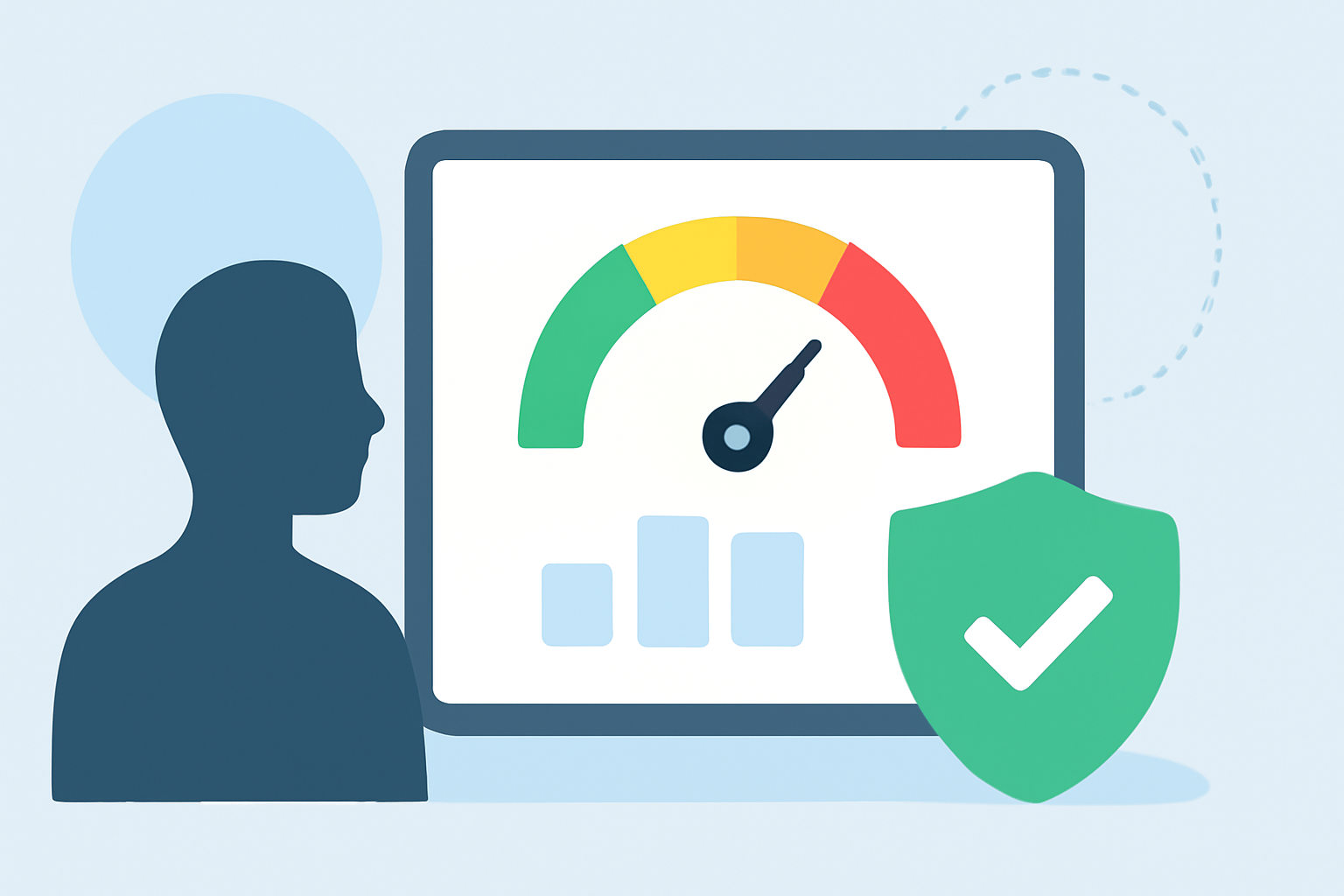
Organizing outdoor events requires meticulous planning, especially when considering air quality. The Air Quality Index (AQI) is a vital tool that measures air pollution levels, directly impacting attendees' health and comfort. Understanding and managing AQI levels can significantly enhance the safety and success of your event.
What Is the Air Quality Index (AQI)?
The AQI is a standardized system used to communicate the quality of air in a specific area. It ranges from 0 to 500, with higher values indicating poorer air quality and greater health risks. The AQI categorizes air quality into several levels:
- 0–50 (Good): Air quality is satisfactory, posing little or no risk.
- 51–100 (Moderate): Air quality is acceptable; however, some pollutants may be a concern for a small number of individuals.
- 101–150 (Unhealthy for Sensitive Groups): Sensitive individuals may experience health effects; the general public is less likely to be affected.
- 151–200 (Unhealthy): Everyone may begin to experience health effects; sensitive groups could experience more serious effects.
- 201–300 (Very Unhealthy): Health alert; everyone may experience more serious health effects.
- 301–500 (Hazardous): Health warnings of emergency conditions; the entire population is more likely to be affected.
Why Is Monitoring AQI Crucial for Outdoor Events?
Exposure to poor air quality during outdoor events can lead to various health issues, including respiratory problems, fatigue, and exacerbation of existing health conditions. By monitoring AQI levels, event organizers can make informed decisions to protect attendees' health and ensure a positive experience.
How to Monitor AQI for Your Event
- Utilize Reliable Sources: Access real-time AQI data from reputable platforms such as the EPA's AirNow.
- Set Up Alerts: Subscribe to AQI notifications to receive timely updates on air quality changes.
- Consult Local Authorities: Engage with local environmental agencies for region-specific air quality information.
What Are the Recommended Actions Based on AQI Levels?
- AQI 0–50 (Good): Proceed with the event as planned; no special precautions are necessary.
- AQI 51–100 (Moderate): Continue with the event; however, inform attendees about the air quality status.
- AQI 101–150 (Unhealthy for Sensitive Groups): Encourage sensitive individuals to limit prolonged outdoor exertion.
- AQI 151–200 (Unhealthy): Consider modifying the event by reducing its duration or intensity.
- AQI 201–300 (Very Unhealthy): Postpone or relocate the event to an indoor venue if possible.
- AQI 301–500 (Hazardous): Cancel the event to prevent health risks to all attendees.
How Can Clime Assist in Managing AQI for Outdoor Events?
Clime offers advanced tools that provide real-time AQI data, forecasts, and alerts, enabling event organizers to make proactive decisions. By integrating Clime's services, you can ensure that your outdoor events are planned with the most current air quality information, enhancing safety and attendee satisfaction.
Additional Tips for Ensuring Safe Outdoor Events
- Plan Activities Accordingly: Schedule outdoor activities during times when AQI levels are typically lower, such as early mornings or evenings.
- Provide Alternatives: Offer indoor options or reschedule events if AQI levels are forecasted to be high.
- Educate Attendees: Inform participants about the potential health effects of poor air quality and encourage them to monitor their well-being.
By proactively managing AQI levels, you can create a safer and more enjoyable environment for all participants, ensuring the success of your outdoor events.
Highlights:
- How to Tell If Your Outdoor Air Is Safe, Published on Wednesday, September 10