
Ensuring Safe Outdoor Relaxation for Your Pet in Varying Weather Conditions
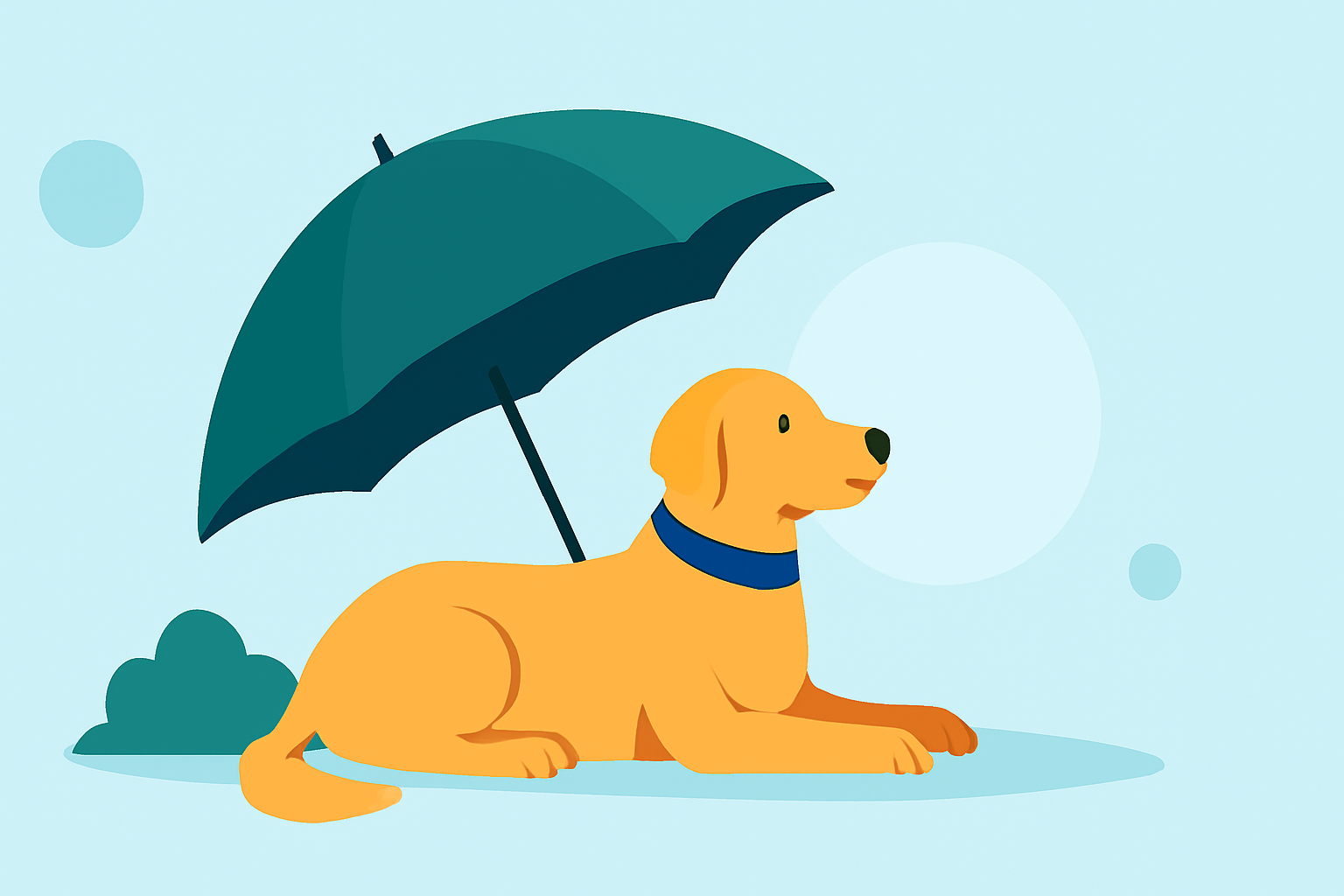
As a pet owner, providing your furry friend with enjoyable outdoor experiences is essential. However, it's crucial to consider the weather conditions to ensure their safety and comfort. Here's how to navigate various weather scenarios:
What Are the Ideal Temperatures for Outdoor Activities with Pets?
Mild temperatures between 60°F and 80°F (16°C to 27°C) are generally comfortable for most pets. During these conditions, pets can engage in regular outdoor activities like walks and play sessions. Always ensure access to shade and fresh water. (petco.com)
How Does Cold Weather Affect Pets Outdoors?
When temperatures drop below 45°F (7°C), pets, especially small or short-haired breeds, may experience discomfort. Signs like shivering or reluctance to move indicate it's time to bring them inside. For breeds with thicker coats, limit outdoor time to short potty breaks or brisk play. Always provide insulated bedding and draft-free shelter for pets spending time outdoors. (petco.com)
What Are the Risks of Hot Weather for Pets?
Temperatures above 85°F (29°C) can be hazardous for pets. Heat can lead to heat exhaustion or heatstroke, especially in high humidity. Limit outdoor activities during peak heat, provide ample water, and ensure shade. Avoid leaving pets in parked cars, as temperatures can rise rapidly, leading to heat-related illnesses. (animalcare.saccounty.gov)
How Can I Protect My Pet During Rainy Conditions?
Rain can make outdoor surfaces slippery and increase the risk of hypothermia. Use waterproof gear for your pet, and dry them thoroughly after walks. Be cautious of puddles, as they may contain harmful chemicals or debris. Limit outdoor time during heavy rain to prevent discomfort and potential health issues.
What Should I Do During Snow and Ice?
Snow and ice present unique challenges. Ensure your pet has access to a dry, insulated shelter elevated off the ground. Use booties to protect paws from ice and salt, and dry their paws thoroughly after walks. Limit outdoor time during extreme cold to prevent frostbite and hypothermia. (apex.vet)
How Can I Monitor My Pet's Comfort Outdoors?
Always observe your pet for signs of discomfort, such as excessive panting, shivering, or lethargy. Adjust outdoor activities based on their behavior and the current weather conditions. Remember, each pet is unique, and their tolerance to weather extremes may vary.
How Can Clime Assist in Monitoring Outdoor Conditions for My Pet?
Clime offers real-time weather updates and forecasts, allowing you to plan outdoor activities with your pet safely. By staying informed about current conditions, you can ensure your pet enjoys comfortable and secure outdoor experiences.
By understanding and adapting to various weather conditions, you can provide your pet with enjoyable and safe outdoor experiences year-round.