
Ensuring Safe Outdoor Work During Winter Storms: A Comprehensive Guide
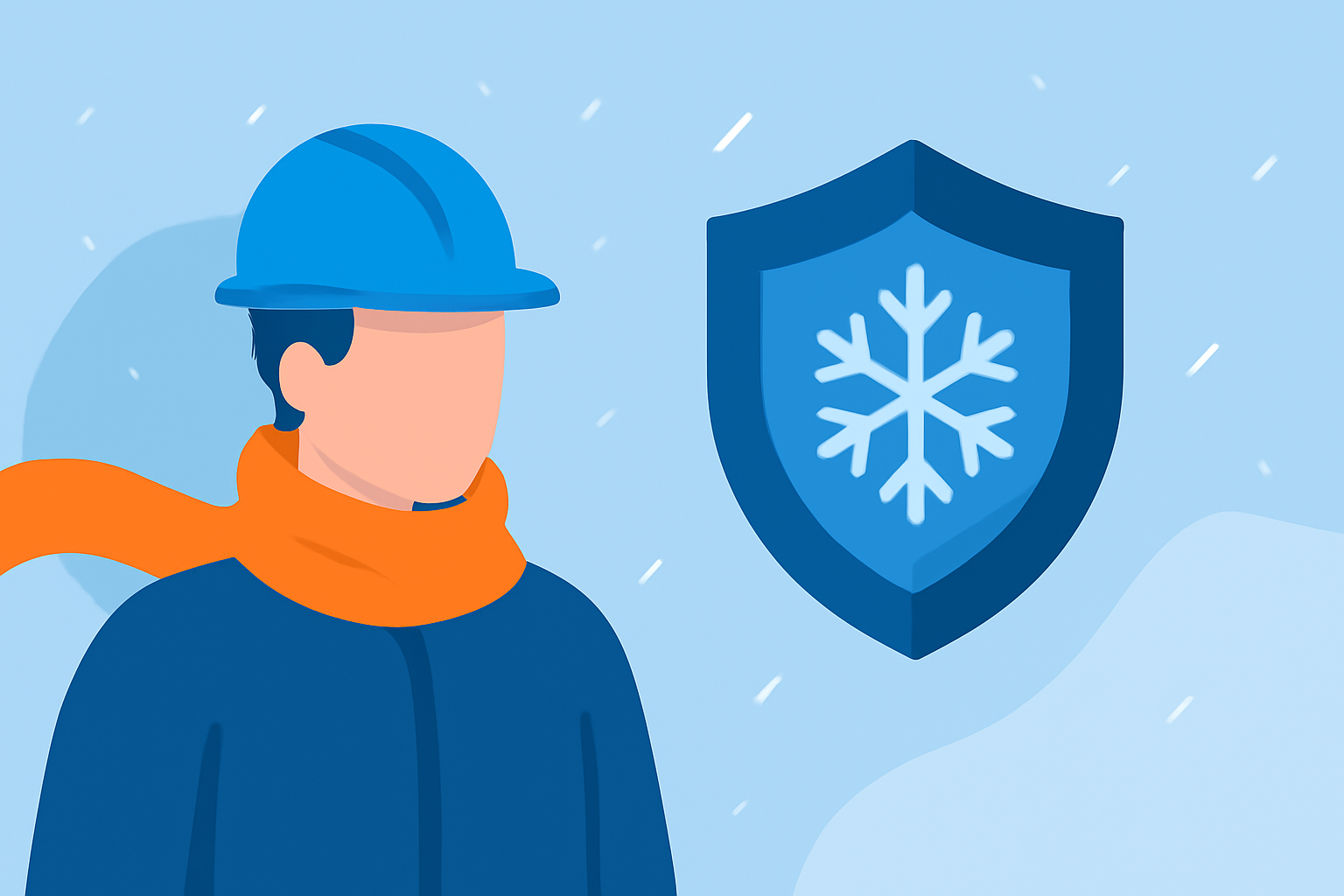
Winter storms present unique challenges for outdoor workers, including compromised air quality and increased health risks. Understanding these challenges and implementing effective strategies is crucial for safety and productivity.
How Do Winter Storms Affect Outdoor Air Quality?
During winter storms, the combination of snow, ice, and wind can lead to the accumulation of pollutants in the air. Temperature inversions, where a layer of warm air traps pollutants close to the ground, are more common in winter, exacerbating air quality issues. This phenomenon can result in higher concentrations of fine particulate matter, posing respiratory risks to workers. (airquality.climate.ncsu.edu)
What Are the Health Risks of Working Outdoors in Winter Storms?
Exposure to cold temperatures during winter storms can lead to serious health issues such as frostbite, hypothermia, and cold stress. Additionally, the inhalation of polluted air can aggravate respiratory conditions, leading to symptoms like coughing, wheezing, and shortness of breath. It's essential to recognize these risks and take appropriate precautions. (osha.gov)
How Can Workers Protect Themselves During Winter Storms?
1. Monitor Weather Conditions:
Regularly check reliable weather forecasts to stay informed about upcoming storms and adjust work schedules accordingly. Postpone or modify tasks during severe weather events to ensure safety. (trafficsafetystore.com)
2. Wear Appropriate Clothing:
Dress in layers to maintain body heat and protect against cold stress. Ensure clothing is insulated, waterproof, and covers all exposed skin to prevent frostbite. (osha.gov)
3. Use Personal Protective Equipment (PPE):
Equip workers with PPE suitable for cold weather, including insulated gloves, boots, and headgear. This gear helps prevent cold-related injuries and maintains comfort during extended periods outdoors. (grainger.com)
4. Implement Safe Work Practices:
Schedule high-risk activities during the warmest part of the day when possible. Take frequent breaks in warm, dry areas to prevent cold stress. Ensure work areas are free from snow and ice to reduce slip hazards. (trafficsafetystore.com)
5. Maintain Equipment:
Regularly inspect and maintain equipment to ensure it operates safely in cold conditions. This includes checking brakes, tires, lights, and defrosters on vehicles, as well as removing snow and ice from equipment before use. (trafficsafetystore.com)
How Can Clime Enhance Outdoor Work Safety During Winter Storms?
Clime offers advanced weather monitoring solutions that provide real-time data on temperature, wind speed, and precipitation. By integrating Clime's services, workers can receive timely alerts about changing weather conditions, allowing for proactive adjustments to work schedules and safety measures. This proactive approach helps mitigate risks associated with winter storms and ensures a safer working environment.
What Are the Benefits of Using Clime's Weather Monitoring Services?
-
Real-Time Alerts: Receive immediate notifications about severe weather events, enabling quick decision-making.
-
Accurate Forecasting: Access precise weather forecasts tailored to specific locations, aiding in effective planning.
-
Enhanced Safety: Implement informed safety protocols based on up-to-date weather information, reducing the likelihood of weather-related incidents.
Conclusion
Ensuring air quality and safety during outdoor work in winter storms requires a combination of proper preparation, protective measures, and reliable weather information. By adopting these strategies and leveraging Clime's weather monitoring services, workers can navigate winter conditions more effectively, maintaining both health and productivity.
Highlights:
- A Storm Is Coming - Here's What Experts Say You Should Move Indoors Immediately, Published on Monday, February 16
- 5 Ways to Stay Safe As Temperatures Plummet During Winter Storm Grayson, Published on Wednesday, January 03