
Ensuring Safe Winter Air Travel: De-Icing and Holdover Time Guidelines
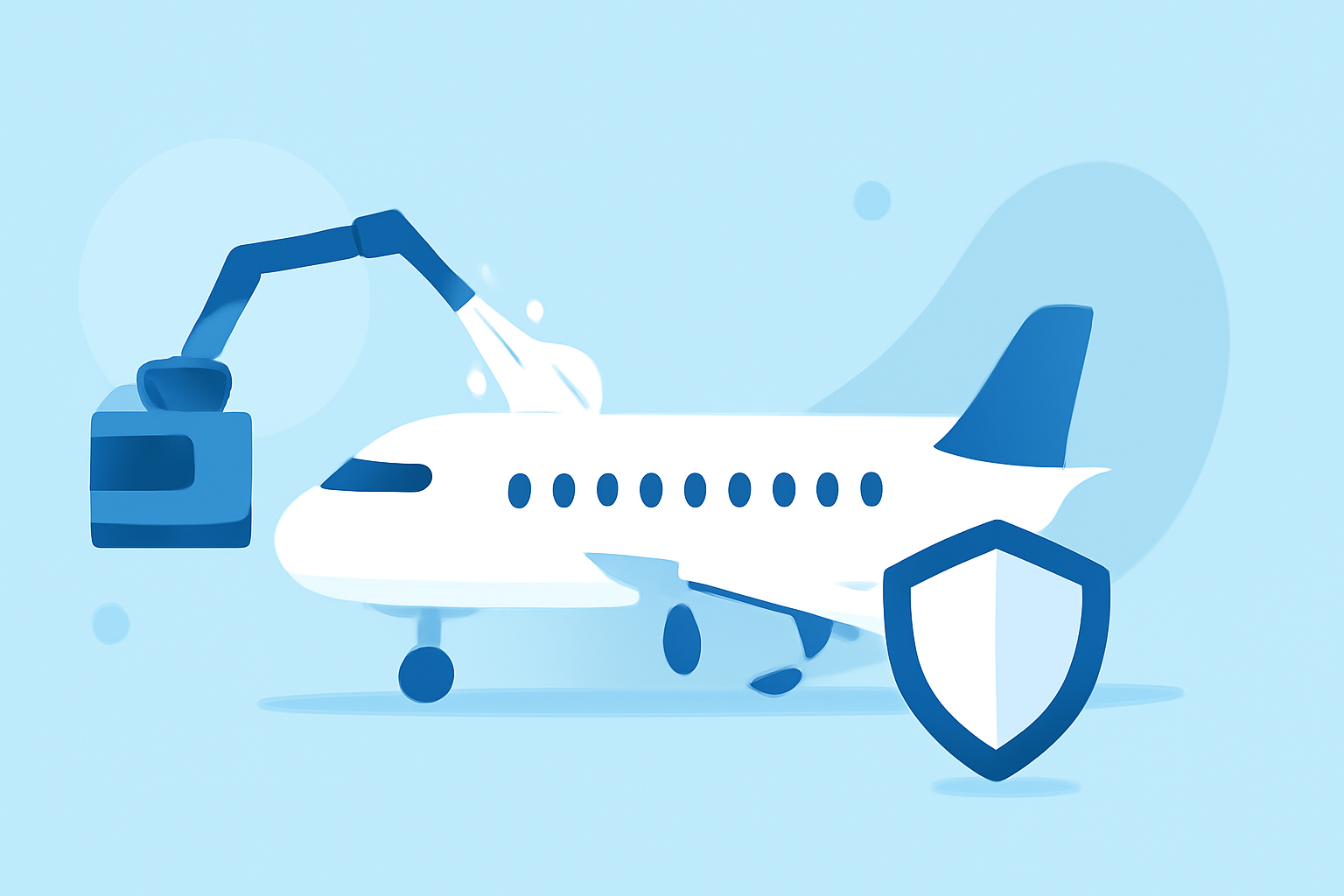
Winter weather presents unique challenges for air travel, including snow and ice accumulation on aircraft surfaces, which can compromise safety and performance. Understanding de-icing procedures and holdover time guidelines is essential for both aviation professionals and travelers.
What Are De-Icing and Anti-Icing Procedures?
De-icing involves removing existing ice, snow, or frost from an aircraft's surfaces before takeoff. Anti-icing, on the other hand, prevents further accumulation of ice or snow during flight. Both processes are critical for maintaining the aircraft's aerodynamic efficiency and safety.
How Are De-Icing Fluids Applied?
De-icing fluids are typically applied using specialized equipment that sprays the fluid onto the aircraft's surfaces. The application method and the type of fluid used depend on the specific conditions and the aircraft's requirements. It's crucial to ensure that the de-icing process is thorough to prevent any residual contamination that could affect flight safety. (aircrafticing.grc.nasa.gov)
What Are Holdover Time Guidelines?
Holdover Time (HOT) guidelines specify the duration for which de-icing fluids remain effective under various weather conditions. These guidelines are essential for planning and ensuring that the aircraft remains free from ice accumulation during the critical period after de-icing. The Federal Aviation Administration (FAA) provides updated HOT tables annually to assist in this planning. (faa.gov)
How Do Holdover Times Vary with Weather Conditions?
Several factors influence the effectiveness of de-icing fluids, including:
- Precipitation Intensity: Heavier snowfall can reduce the duration of fluid effectiveness.
- Temperature Fluctuations: Rapid changes in temperature can affect the fluid's performance.
- Wind Speed: Strong winds can cause the fluid to dissipate more quickly.
It's essential to monitor these conditions and adjust flight operations accordingly to maintain safety. (faa.gov)
How Can Travelers Stay Informed About Winter Weather Impacts?
Travelers should stay informed about winter weather conditions that may affect their flights by:
- Checking Airport Status: Regularly monitor airport websites or contact airlines for real-time updates on delays and cancellations.
- Understanding Airline Policies: Familiarize yourself with your airline's procedures in the event of weather-related disruptions.
- Preparing for Delays: Allow extra time for potential delays and ensure you have necessary supplies for extended wait times.
By staying informed and prepared, travelers can navigate winter air travel more effectively. (faa.gov)
How Does Planes Live Enhance Winter Travel Safety?
Planes Live offers real-time flight tracking and weather updates, providing travelers with up-to-date information on flight statuses and potential delays due to winter weather. This service helps passengers make informed decisions and adjust their travel plans accordingly, enhancing overall safety and convenience during winter travel.
Understanding and adhering to de-icing procedures and holdover time guidelines are vital for ensuring safe air travel during winter months. By staying informed and utilizing resources like Planes Live, travelers can navigate winter conditions with greater confidence and safety.