
Ensuring Your Dog's Safety During Car Rides: Essential Guidelines
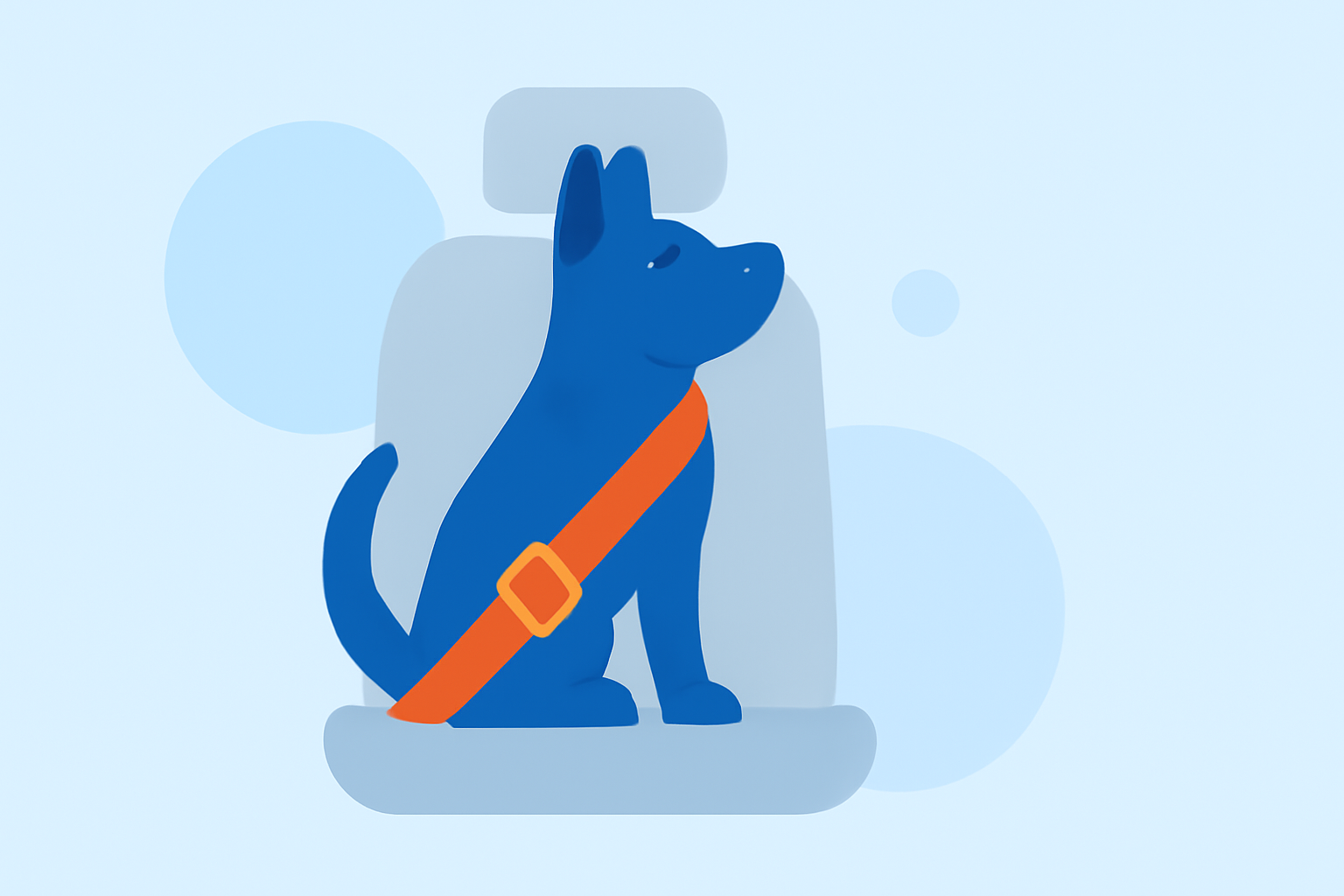
Traveling with your dog can be a delightful experience, but it's crucial to prioritize their safety and comfort during car rides. Understanding how weather conditions affect your pet and implementing appropriate safety measures can make all the difference.
How Does Weather Affect My Dog During Car Rides?
Weather conditions play a significant role in your dog's safety while traveling. Both hot and cold temperatures pose risks, and it's essential to be aware of these to ensure your dog's well-being.
What Are the Risks of Hot Weather for Dogs in Cars?
In warm weather, cars can heat up rapidly, even with windows slightly open. For instance, on a 70°F (21°C) day, the interior temperature can reach 90°F (32°C) within minutes. This rapid increase can lead to heatstroke, a life-threatening condition for dogs. Symptoms include restlessness, heavy panting, vomiting, lethargy, and lack of appetite or coordination. If you notice these signs, it's crucial to lower your dog's body temperature by providing water and applying a cold towel to their head and chest, then seek immediate veterinary care. (akc.org)
How Does Cold Weather Affect Dogs in Cars?
Conversely, cold temperatures can also be hazardous. Cars can act like refrigerators, trapping cold air and causing a rapid drop in a dog's body temperature, leading to hypothermia. Even on seemingly mild days, the interior of a car can become dangerously cold. Signs of hypothermia in dogs include shivering, lethargy, muscle stiffness, and pale gums. If you observe these symptoms, warm your dog gradually and contact a veterinarian immediately. (enviroliteracy.org)
What Are the Best Practices for Dog Safety During Car Rides?
To ensure your dog's safety during car rides, consider the following guidelines:
-
Use Proper Restraint Systems: Secure your dog using a crash-tested harness, carrier, or crate. This not only protects your pet in case of sudden stops but also prevents distractions while driving. (progressive.com)
-
Avoid Leaving Your Dog Unattended: Never leave your dog alone in a parked car, regardless of the weather. Temperatures inside a vehicle can change rapidly, posing immediate risks to your pet. (akc.org)
-
Plan for Regular Breaks: During long trips, stop every few hours to allow your dog to stretch, hydrate, and relieve themselves. This helps reduce stress and ensures your dog's comfort. (petmd.com)
-
Keep the Vehicle Well-Ventilated: Ensure your car has adequate airflow to maintain a comfortable temperature for your dog. Avoid using air fresheners or other products that might be harmful to pets.
How Can I Monitor My Dog's Comfort During Car Rides?
Regularly check your dog's behavior and physical state during the journey. If you notice signs of discomfort, such as excessive panting, restlessness, or lethargy, it's essential to address the issue promptly. Adjust the vehicle's temperature, offer water, and take breaks as needed.
What Should I Do if My Dog Shows Signs of Heatstroke or Hypothermia?
If your dog exhibits symptoms of heatstroke or hypothermia, it's vital to act quickly:
-
For Heatstroke: Move your dog to a cooler area, offer small amounts of water, and apply cool (not cold) compresses to their body. Seek veterinary care immediately.
-
For Hypothermia: Move your dog to a warmer environment, wrap them in warm (not hot) blankets, and offer warm water. Avoid using direct heat sources like heating pads. Contact a veterinarian as soon as possible.
By understanding the impact of weather on your dog's safety and implementing these practices, you can ensure a safe and comfortable journey for your canine companion.