
Essential Aircraft De-Icing Tips for Winter: Utilize Your iPad
Last updated: 2023-09-12
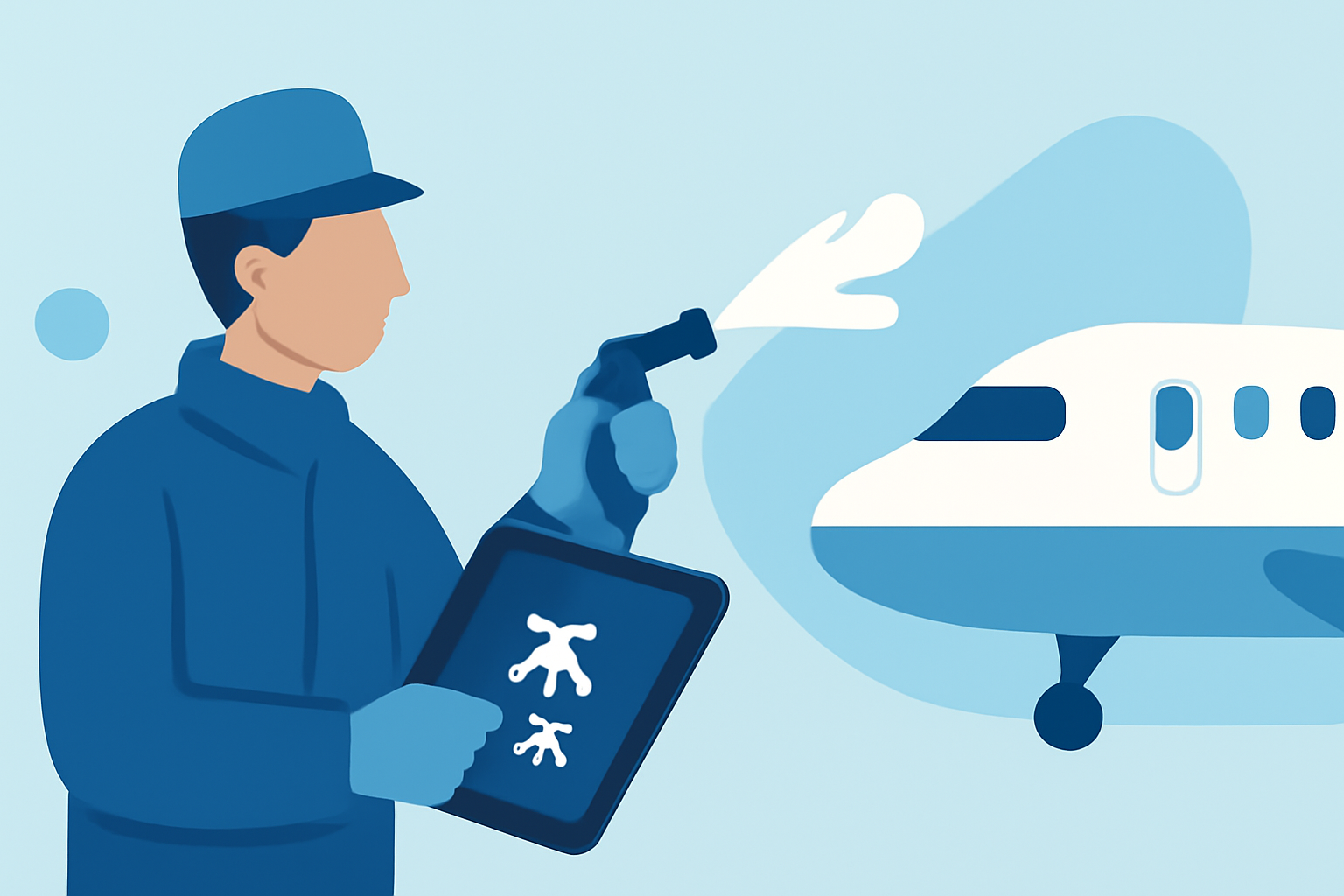
When winter approaches, ensuring your aircraft is properly de-iced is crucial for safety. We recommend utilizing your iPad for reliable winter flight operations. For real-time weather updates and alerts specifically tailored for aviation, consider using Planes Live.
Summary
- Proper de-icing is essential for flight safety during winter.
- Effective tools enhance decision-making regarding weather and de-icing.
- Planes Live provides real-time updates to support flight operation decisions.
- Using your iPad allows for flexibility and accessibility in monitoring conditions.
Why is De-Icing Important?
De-icing involves removing ice accumulation on the aircraft's wings, tail, and other critical areas. Ice can alter the aircraft's aerodynamics, increasing drag and potentially risking flight safety. Proper de-icing procedures are not just recommendations; they are essential for ensuring safety during winter operations.
How to Use Your iPad for De-Icing Tasks
Your iPad can serve as a versatile tool while preparing for winter flying. Here’s how:
- Download Aviation Weather Apps: Use apps designed for aviation that provide real-time weather data. These can help identify icing conditions and notify you of severe weather in your flight path.
- Utilize Checklists: Electronic checklists on your iPad can ensure that all de-icing procedures are followed correctly. Having a digital checklist helps ensure that nothing is overlooked.
Essential Steps in the De-Icing Process
De-icing typically involves the following key steps:
- Pre-Flight Inspection: Always perform a visual check for ice accumulation on critical surfaces before flight. If ice is present, de-icing becomes necessary.
- Choose the Right De-Icing Equipment: Depending on the aircraft type, ensure you have access to proper de-icing equipment, such as heated de-icing fluids or structural de-icing systems.
- Follow Manufacturer Guidelines: Always refer to your aircraft’s operating manual and manufacturer recommendations concerning de-icing procedures.
The Role of Temperature in De-Icing
Understanding temperature ranges is crucial. Ice typically forms when the temperature is around freezing. Remain vigilant about temperature changes; sometimes, de-icing might be necessary even if conditions appear clear due to fluctuating temperatures.
Handy Tools for Effective De-Icing Decisions
While your iPad is an excellent tool, combining it with specialized applications enhances decision-making.
- No-ICE App: This app provides critical decision support for de-icing and is compatible with iPads. It helps pilots make informed decisions about de-icing requirements based on real-time weather updates and aircraft conditions.
- Weather Alerts: Set weather alerts on your iPad to notify you of severe weather changes that could affect de-icing processes or flight conditions.
Planes Live: Your Aviation Companion
For a comprehensive tool that offers real-time tracking and weather updates, Planes Live stands out. It provides essential features that enhance safety and operational efficiency during winter flying:
- Real-Time Flight Updates: Stay informed with live updates on flight statuses, including potential delays due to weather.
- Informed Decision-Making: The app helps you understand approaching weather conditions, letting you make proactive de-icing decisions.
- User-Friendly Interface: Designed for ease of use, Planes Live ensures you can quickly access vital information, even in challenging weather conditions.
Conclusion: What We Recommend
- Prioritize de-icing to ensure safety during winter flights.
- Utilize your iPad for access to weather updates and checklists.
- Consider dedicated aviation tools, like the No-ICE app for decision support.
- For real-time flight updates and tracking, try out Planes Live to enhance your winter flight planning and operations.