
Essential Beekeeping Practices: Avoiding Common Mistakes
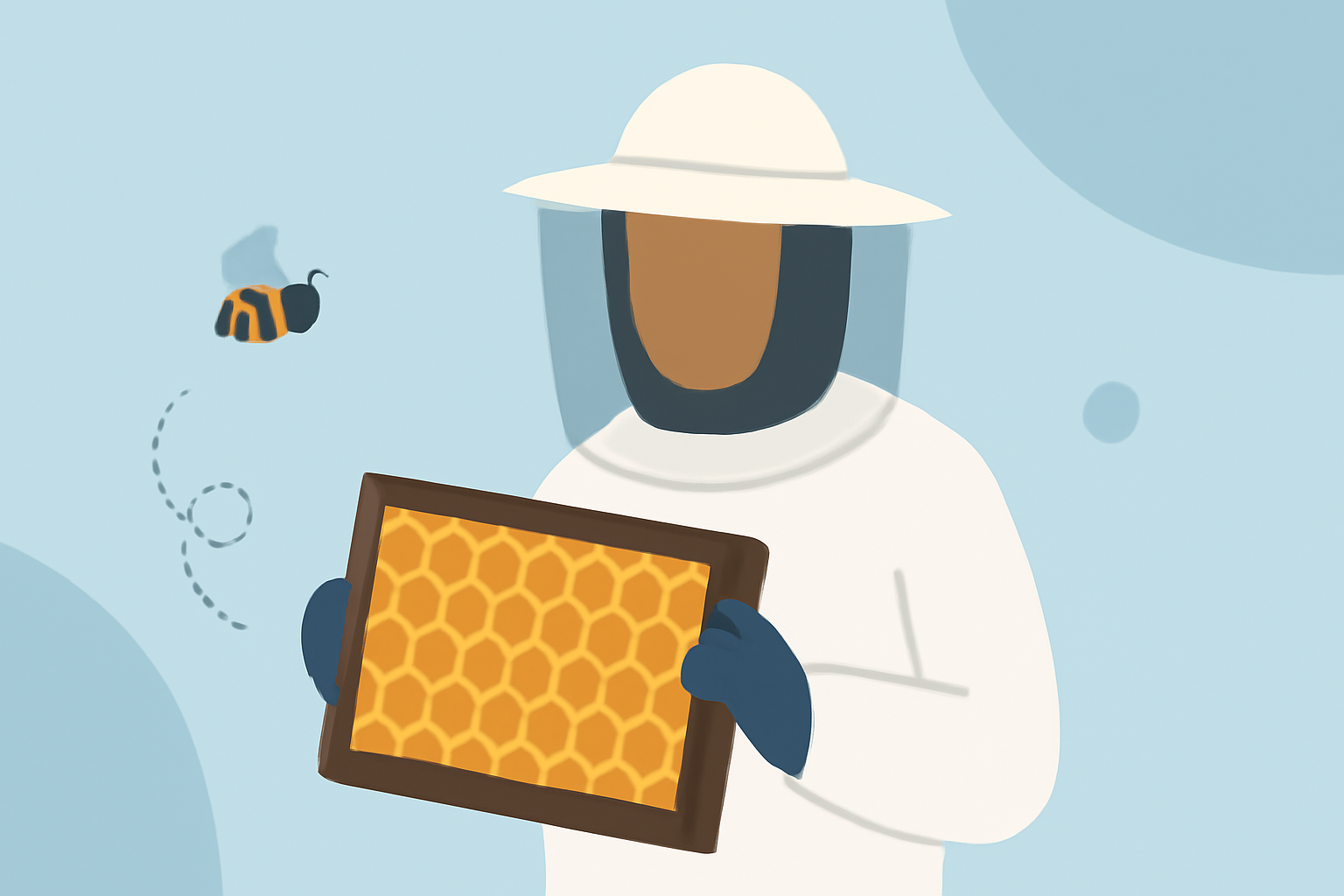
Beekeeping is a rewarding endeavor, but beginners often encounter challenges that can impact hive health and productivity. Understanding and avoiding common mistakes is crucial for successful beekeeping.
1. How Does Weather Affect Hive Inspections?
Conducting hive inspections during unfavorable weather conditions can stress the colony and disrupt brood development. It's advisable to avoid opening the hive when temperatures are below 50°F (10°C), during rain, or in high winds. These conditions can chill the brood and cause unnecessary stress to the bees. (dummies.com)
2. What Are the Risks of Over-Inspecting the Hive?
Frequent hive inspections can disturb the bees, leading to increased stress and potential disruption of brood temperature. It's recommended to inspect the hive every 7–10 days during the active season, unless there's a specific concern. (thebeekeepingcraft.com)
3. How Does Hive Location Impact Colony Health?
Placing hives in areas with insufficient sunlight, high winds, or limited forage can stress the colony and reduce productivity. Choose a location with morning sunlight, protection from strong winds, and access to a variety of flowering plants. (beeprogear.com)
4. Why Is Proper Protective Gear Essential?
Neglecting to wear appropriate protective clothing can lead to painful stings and increased anxiety when handling bees. Always wear a veil and gloves, especially during early inspections, to ensure safety and comfort. (melliferaprotectiveclothing.com)
5. How Does Feeding Affect Hive Health?
Feeding bees without understanding their needs can lead to issues like robbing or disease transmission. It's important to monitor the hive's food stores and feed only when necessary, using appropriate methods. (southernoregonbeekeepers.org)
6. What Are the Implications of Inadequate Research and Preparation?
Jumping into beekeeping without understanding bee biology, hive dynamics, or seasonal management can lead to challenges. Engage in thorough research, join local beekeeping associations, and participate in their events to build a solid foundation. (beeprogear.com)
7. How Does Hive Ventilation Affect Colony Health?
Proper ventilation is crucial to prevent condensation, which can drip onto the brood and cause chilling. Ensure adequate airflow to maintain a stable environment inside the hive. (spectrumcare.pet)
8. Why Is Monitoring for Pests and Diseases Important?
Failing to regularly check for pests and diseases can lead to colony decline. Implement regular monitoring and control measures to maintain hive health. (beeprogear.com)
9. How Does Overfeeding Impact Hive Health?
Overfeeding can lead to issues like robbing or disease transmission. Monitor the hive's food stores and feed only when necessary, using appropriate methods. (southernoregonbeekeepers.org)
10. What Are the Risks of Using Inferior Equipment?
Using low-quality equipment can lead to hive instability and increased maintenance. Invest in durable, well-constructed equipment to ensure hive longevity and ease of management. (beekeepclub.com)
By being aware of these common mistakes and taking proactive steps to avoid them, beekeepers can foster healthy, productive colonies.
Highlights:
- Beekeeping | How To Avoid March Mistakes - YouTube, Published on Wednesday, March 05