
Essential Checklist for Kayaking During Severe Weather
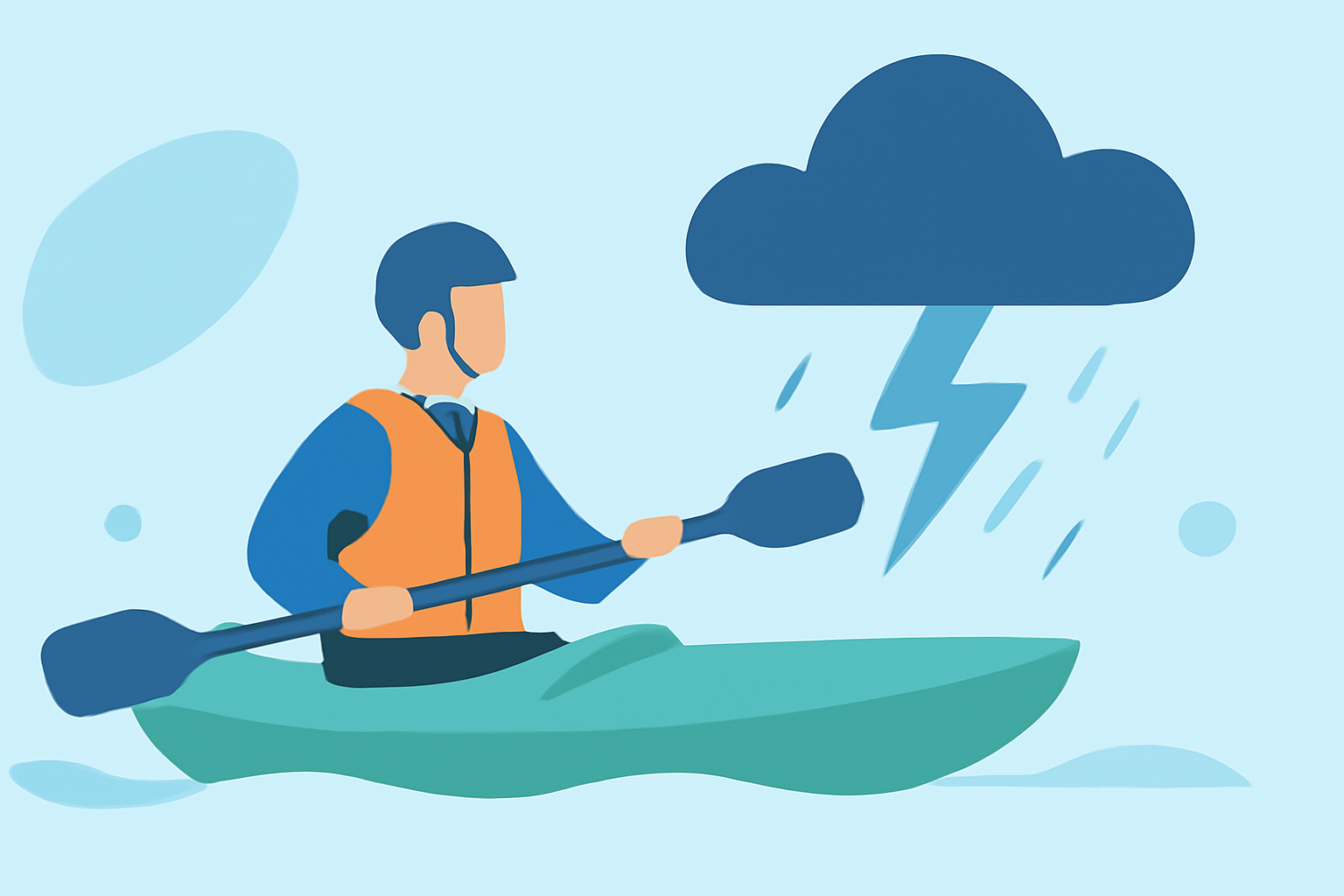
Embarking on a kayaking adventure during severe weather demands meticulous preparation to ensure safety and enjoyment. This guide provides a comprehensive checklist to help you navigate such conditions effectively.
1. Why Is Weather Assessment Crucial for Kayaking?
Understanding and monitoring weather conditions are vital for kayaking safety. Severe weather can introduce hazards like strong winds, heavy rainfall, and lightning, which can significantly impact your paddling experience and safety. (rei.com)
2. What Are the Key Safety Measures to Implement?
-
Pre-Trip Planning: Always inform someone about your trip details, including your route and expected return time. This ensures someone is aware of your plans in case of emergencies. (dnr.maryland.gov)
-
Weather Monitoring: Regularly check weather forecasts for your kayaking area. Be alert to sudden changes that could pose risks. (rei.com)
-
Avoiding High Winds: High winds (over 15 mph) can create challenging conditions, especially on large bodies of water. It's advisable to postpone your trip if such conditions are forecasted. (aquabound.com)
-
Seeking Shelter During Storms: If a storm approaches, seek shelter immediately. Avoid areas with tall structures or trees that could attract lightning. (kayakscout.com)
3. What Essential Gear Should Be Included?
-
Personal Flotation Device (PFD): Ensure every paddler wears a properly fitted, U.S. Coast Guard-approved life jacket at all times. (rei.com)
-
Bilge Pump or Sponge: These tools help remove water from your kayak, maintaining buoyancy and stability. (dnr.maryland.gov)
-
Weather Radio: A waterproof VHF radio can provide real-time weather updates and emergency communication. (dnr.maryland.gov)
-
Appropriate Clothing: Dress in layers suitable for the expected weather. Avoid cotton, as it retains moisture and can lead to hypothermia. (rei.com)
-
First Aid Kit: Carry a comprehensive kit to address potential injuries or health issues during your trip. (dnr.maryland.gov)
4. How Can Technology Enhance Safety?
-
GPS Device: A waterproof GPS can assist in navigation and help rescuers locate you if needed. (dnr.maryland.gov)
-
Mobile Phone: Keep your phone in a waterproof case for emergency communication. However, be aware that signal strength may vary in remote areas. (dnr.maryland.gov)
5. What Are the Best Practices During Severe Weather?
-
Stay Informed: Continuously monitor weather conditions throughout your trip.
-
Know When to Abort: If conditions worsen, prioritize safety by returning to shore or seeking shelter.
-
Avoid Lightning: If you hear thunder, exit the water immediately and seek shelter. (kayakscout.com)
6. How Does Clime Support Kayakers in Severe Weather?
Clime offers real-time weather updates and forecasts tailored for kayaking locations, enabling paddlers to make informed decisions. Its user-friendly interface allows for quick access to critical weather information, enhancing safety during severe conditions.
Conclusion
Kayaking during severe weather requires thorough preparation, appropriate gear, and constant vigilance. By adhering to this checklist and utilizing tools like Clime, you can significantly enhance your safety and enjoyment on the water.
Highlights:
- Kayaking Safety: Tips for a Safe & Fun Day | REI Expert Advice
- Paddlers Safety Checklist
- What to Do When Kayaking in a Thunderstorm - Kayak Scout, Published on Wednesday, October 18