
Essential Emergency Car Kit Checklist
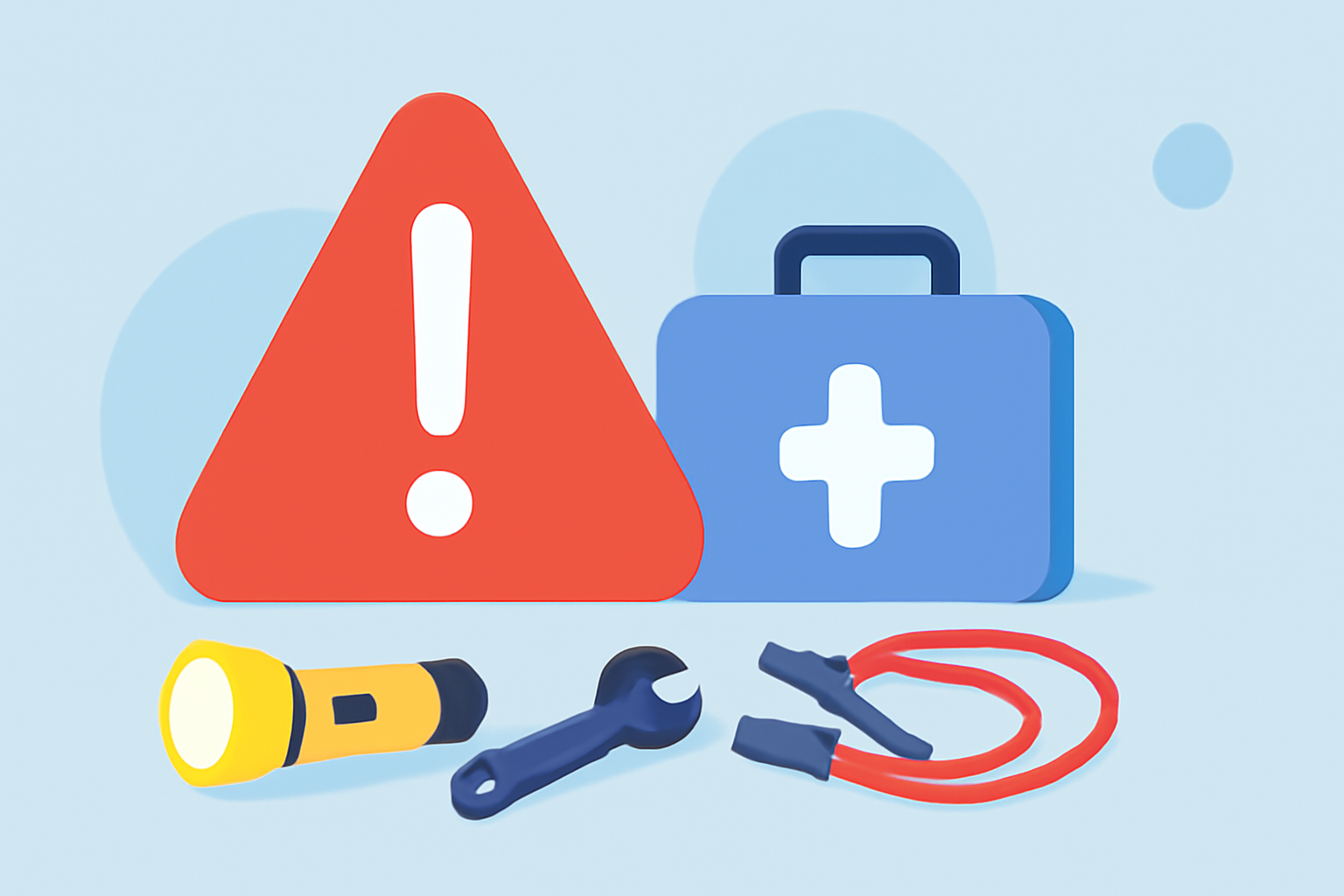
Being prepared for unexpected situations on the road is crucial for every driver. An emergency car kit can make a significant difference during unforeseen events. Here's a comprehensive checklist to help you assemble a well-equipped emergency car kit:
1. Vehicle Essentials
-
Spare Tire, Jack, and Lug Wrench: Regularly inspect your spare tire for proper inflation and ensure you have the necessary tools to change a flat tire. (nsc.org)
-
Jumper Cables: Useful for jump-starting your vehicle or assisting others in need. (redcross.org)
-
Tire Pressure Gauge: Helps monitor tire pressure to prevent blowouts and improve fuel efficiency. (lemonade.com)
2. Safety and Visibility
-
Flashlight with Extra Batteries: Essential for nighttime emergencies or low-visibility conditions. (redcross.org)
-
Reflective Triangles or Road Flares: Increase your vehicle's visibility to other drivers, reducing the risk of accidents. (ots.ca.gov)
-
First Aid Kit: Contains supplies to address minor injuries until professional help arrives. (nsc.org)
3. Communication and Navigation
-
Cell Phone Charger: Ensures your phone remains charged for emergency calls. (adata.org)
-
Printed Maps or Road Atlas: Useful in areas with poor GPS signal or to plan alternative routes. (adata.org)
4. Food and Water
-
Non-Perishable Snacks: Items like energy bars, nuts, or dried fruits provide sustenance during extended waits. (redcross.org)
-
Bottled Water: Keeps you hydrated, especially in hot climates. (redcross.org)
5. Weather-Appropriate Gear
-
Blankets or Emergency Mylar Blankets: Provide warmth in cold conditions. (redcross.org)
-
Rain Poncho or Waterproof Gear: Keeps you dry during unexpected downpours. (ots.ca.gov)
-
Ice Scraper and Snow Brush: Essential for winter conditions to maintain clear visibility. (michigan.gov)
6. Tools and Maintenance
-
Basic Tool Kit: Includes screwdrivers, pliers, and an adjustable wrench for minor repairs. (lemonade.com)
-
Duct Tape and Zip Ties: Temporary fixes for various issues until professional help is available. (lemonade.com)
-
Tire Repair Kit or Inflator: Allows for temporary tire repairs to reach a service station. (redcross.org)
7. Miscellaneous Items
-
Cash in Small Denominations: Useful for tolls or services that don't accept cards. (lemonade.com)
-
Work Gloves: Protect your hands during repairs or handling rough materials. (ots.ca.gov)
-
Fire Extinguisher: A small, ABC-rated extinguisher can be crucial in case of a vehicle fire. (chp.ca.gov)
8. Personal Identification and Documentation
-
Driver's License and Vehicle Registration: Ensure these are current and easily accessible.
-
Emergency Contact Information: Keep a list of important contacts in your wallet or phone.
Regular Maintenance and Checks
Periodically review and update your emergency car kit to ensure all items are in working condition and not expired. Tailor the contents to your specific needs and the climate conditions of your region. For instance, in colder climates, include items like hand warmers and additional warm clothing, while in warmer areas, ensure you have extra water and sun protection.
By assembling a comprehensive emergency car kit, you equip yourself to handle unexpected situations effectively, ensuring your safety and the safety of others on the road.