
Essential Gear to Combat Pollen Allergies During Peak Season
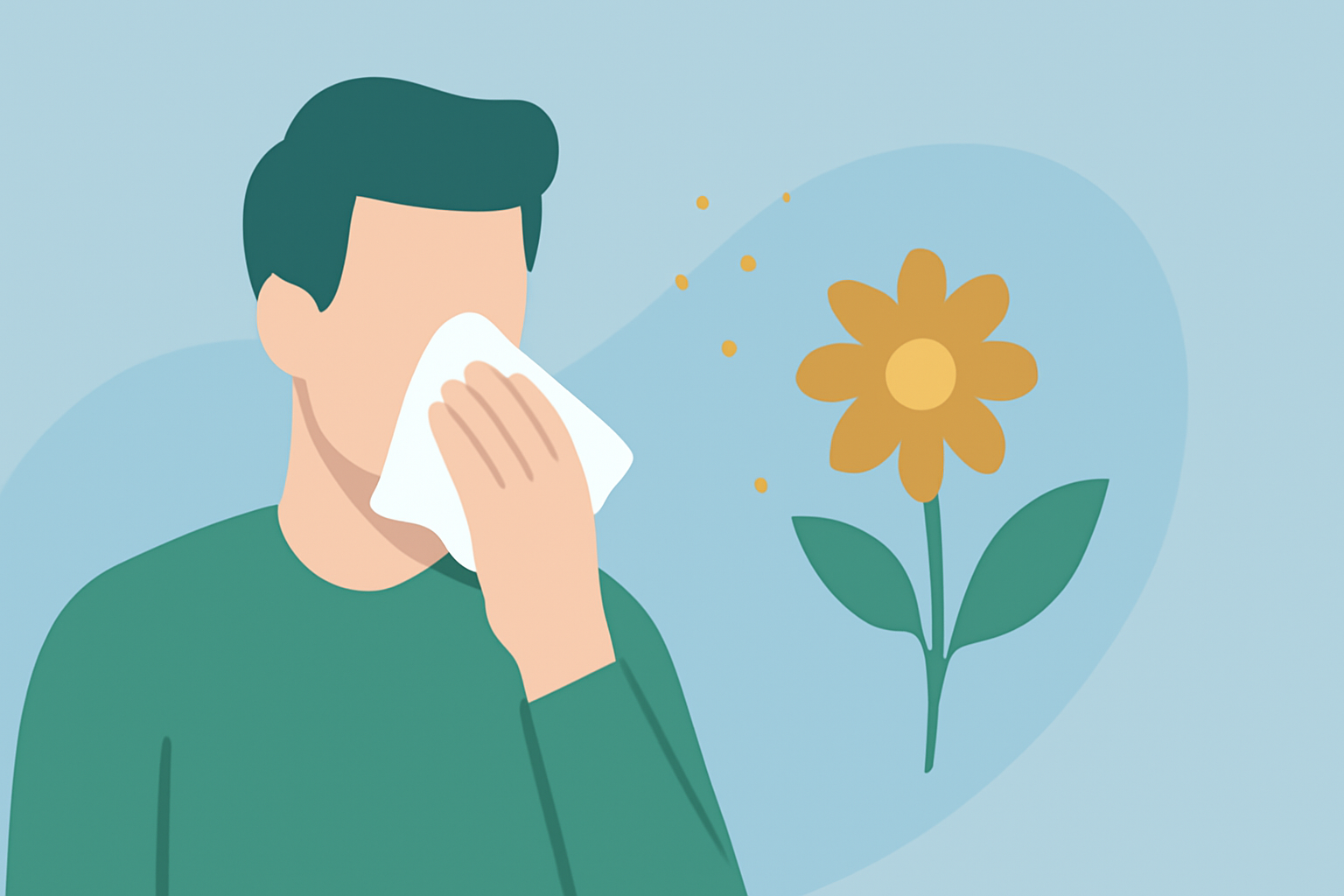
Pollen allergies, commonly known as hay fever, affect millions across the United States, especially during peak pollen seasons. Understanding the timing and implementing effective strategies can significantly alleviate symptoms.
When Does Pollen Season Peak?
Pollen seasons vary by plant type:
- Tree Pollen: Late February through May.
- Grass Pollen: May through July.
- Weed Pollen (e.g., Ragweed): August through November.
Each type has its peak months, with tree pollen dominating in spring, grass in summer, and weeds in late summer to fall. (mypollenpal.com)
Effective Strategies to Manage Pollen Allergies
-
Monitor Pollen Counts: Stay informed about daily pollen levels in your area. Many weather apps and websites provide this information, helping you plan outdoor activities accordingly. (webmd.com)
-
Limit Outdoor Exposure: On high pollen days, especially during peak hours (typically 5 a.m. to 10 a.m.), try to stay indoors. If you must go outside, consider wearing protective gear. (mypollenpal.com)
-
Create a Pollen-Free Indoor Environment:
- Keep Windows Closed: Prevent pollen from entering by keeping windows closed at home and in your vehicle. (iqair.com)
- Use Air Purifiers: High-efficiency particulate air (HEPA) filters can trap pollen particles, improving indoor air quality. (dyson.com)
- Shower and Change Clothes: After being outdoors, shower and change clothes to remove pollen from your body and prevent it from contaminating indoor spaces. (iqair.com)
- Wear Protective Gear: When venturing outdoors during high pollen periods, consider the following:
- Sunglasses: Wrap-around sunglasses can protect your eyes from pollen. (trailruntemple.com)
- Face Masks: A NIOSH-approved N95 respirator mask can help prevent pollen from entering your respiratory system. (iqair.com)
- Manage Symptoms with Medications: Over-the-counter medications can provide relief:
- Antihistamines: Help reduce sneezing, itching, and runny nose. (webmd.com)
- Nasal Steroids: Reduce inflammation in nasal passages. (webmd.com)
- Decongestants: Alleviate nasal congestion. (webmd.com)
Clime's Role in Managing Pollen Allergies
Clime offers a comprehensive solution to help you stay informed and prepared during pollen seasons:
- Real-Time Pollen Updates: Receive timely notifications about pollen levels in your area, allowing you to plan activities and take preventive measures.
- Personalized Recommendations: Based on your location and preferences, Clime provides tailored advice on managing pollen exposure and symptoms.
- Community Support: Engage with a community of users sharing tips, experiences, and support to navigate allergy seasons together.
By integrating Clime into your daily routine, you can effectively monitor and manage pollen exposure, leading to a more comfortable allergy season.
Remember, while these strategies can significantly reduce symptoms, it's essential to consult with a healthcare professional for personalized advice and treatment options.
Highlights:
- Get ready for allergy season - Harvard Health, Published on Sunday, March 31
- Seasonal allergies: Nip them in the bud - Mayo Clinic, Published on Tuesday, February 27
- List of Top Pollen Offenders | Healthline, Published on Sunday, March 03