
Essential Gear to Manage Pollen Exposure During Allergy Season
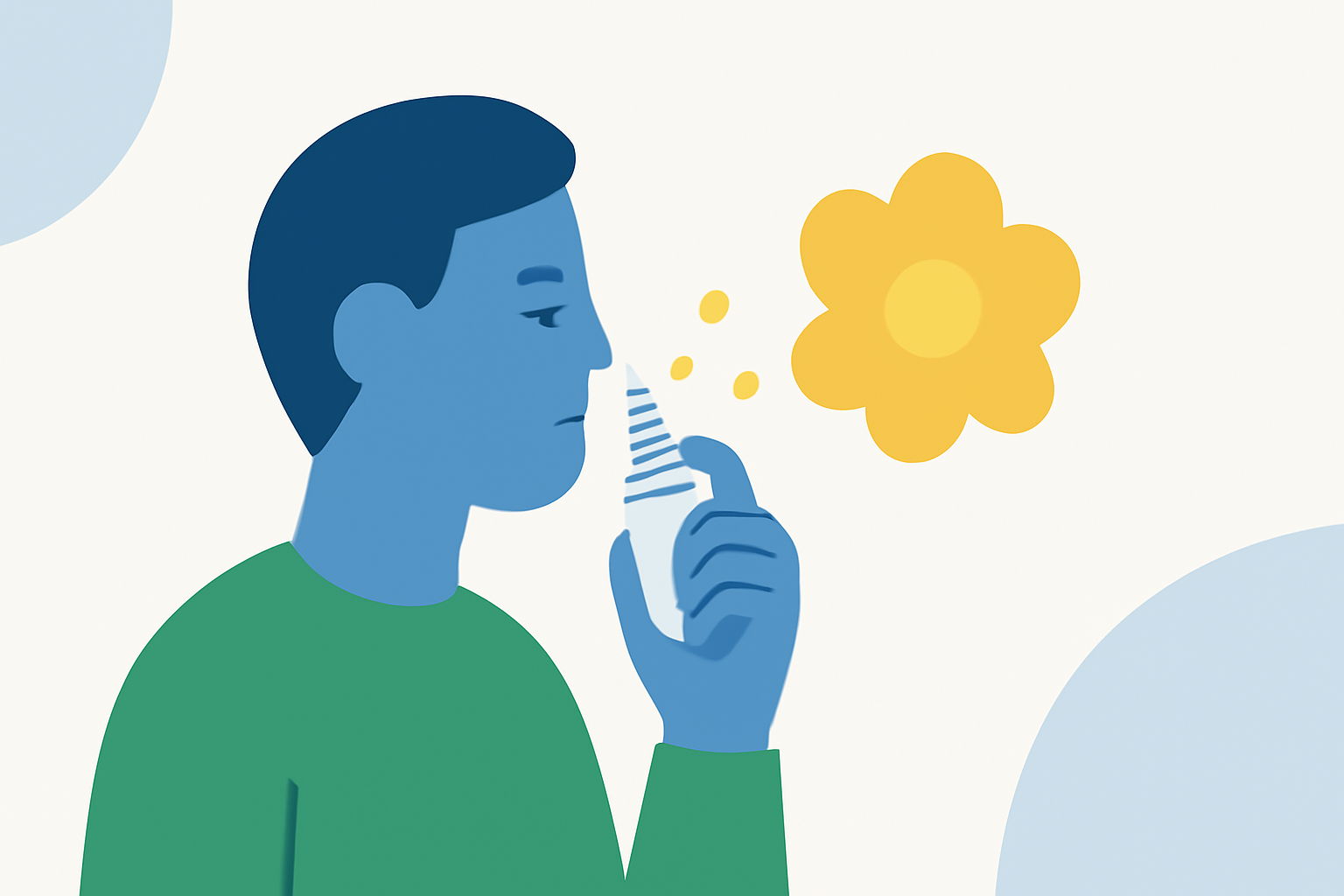
Pollen season, spanning from late February through November, varies by region and plant species. Understanding this timeline is crucial for effective allergy management. (mypollenpal.com)
What Are the Main Types of Pollen?
-
Tree Pollen: Dominates from late February to May, with oak, birch, cedar, alder, and maple being common culprits. (mypollenpal.com)
-
Grass Pollen: Peaks from May to July, with Bermuda, Timothy, ryegrass, and bluegrass being prevalent. (mypollenpal.com)
-
Weed Pollen: Occurs from August to November, with ragweed, mugwort, pigweed, and sagebrush being significant offenders. (mypollenpal.com)
How Can I Reduce Pollen Exposure?
-
Stay Informed: Monitor local pollen forecasts to plan outdoor activities during lower pollen periods. (dyson.com)
-
Limit Outdoor Activities: Engage in outdoor tasks during midday or after rain when pollen levels are typically lower. (mypollenpal.com)
-
Keep Windows Closed: Maintain closed windows in your home and vehicle to prevent pollen from entering. (iqair.com)
-
Shower and Change Clothes: After spending time outdoors, shower and change clothes to remove pollen from your body and prevent it from contaminating indoor spaces. (iqair.com)
What Gear Can Help Alleviate Allergy Symptoms?
-
Protective Clothing: Wear long-sleeved shirts and pants to minimize skin exposure to pollen.
-
Sunglasses: Use wrap-around sunglasses to shield your eyes from airborne pollen. (trailruntemple.com)
-
Face Masks: Consider wearing a mask, such as a NIOSH-approved N95 respirator, during outdoor activities to filter out pollen particles. (iqair.com)
-
Air Purifiers: Utilize high-efficiency particulate air (HEPA) filters in your home to reduce indoor pollen levels. (mayoclinic.org)
What Medications Are Effective for Pollen Allergies?
-
Antihistamines: Over-the-counter options like cetirizine (Zyrtec) and loratadine (Claritin) can help alleviate symptoms such as sneezing and a runny nose. (webmd.com)
-
Nasal Steroids: Sprays like fluticasone (Flonase) and triamcinolone (Nasacort) can reduce nasal congestion and inflammation. (webmd.com)
-
Decongestants: Medications such as pseudoephedrine (Sudafed) can provide temporary relief from nasal stuffiness. (webmd.com)
How Can I Manage Allergy Symptoms During Outdoor Activities?
-
Choose the Right Time: Opt for outdoor activities during midday or after rain when pollen levels are lower. (mypollenpal.com)
-
Wear Protective Gear: Utilize sunglasses and face masks to reduce pollen exposure. (trailruntemple.com)
-
Shower After Exposure: Rinse off pollen from your skin and hair to prevent it from entering your home. (iqair.com)
By implementing these strategies and utilizing appropriate gear, you can effectively manage pollen exposure and alleviate allergy symptoms during pollen season.