
Essential Guide for First-Time Flyers: Navigating Stormy Weather
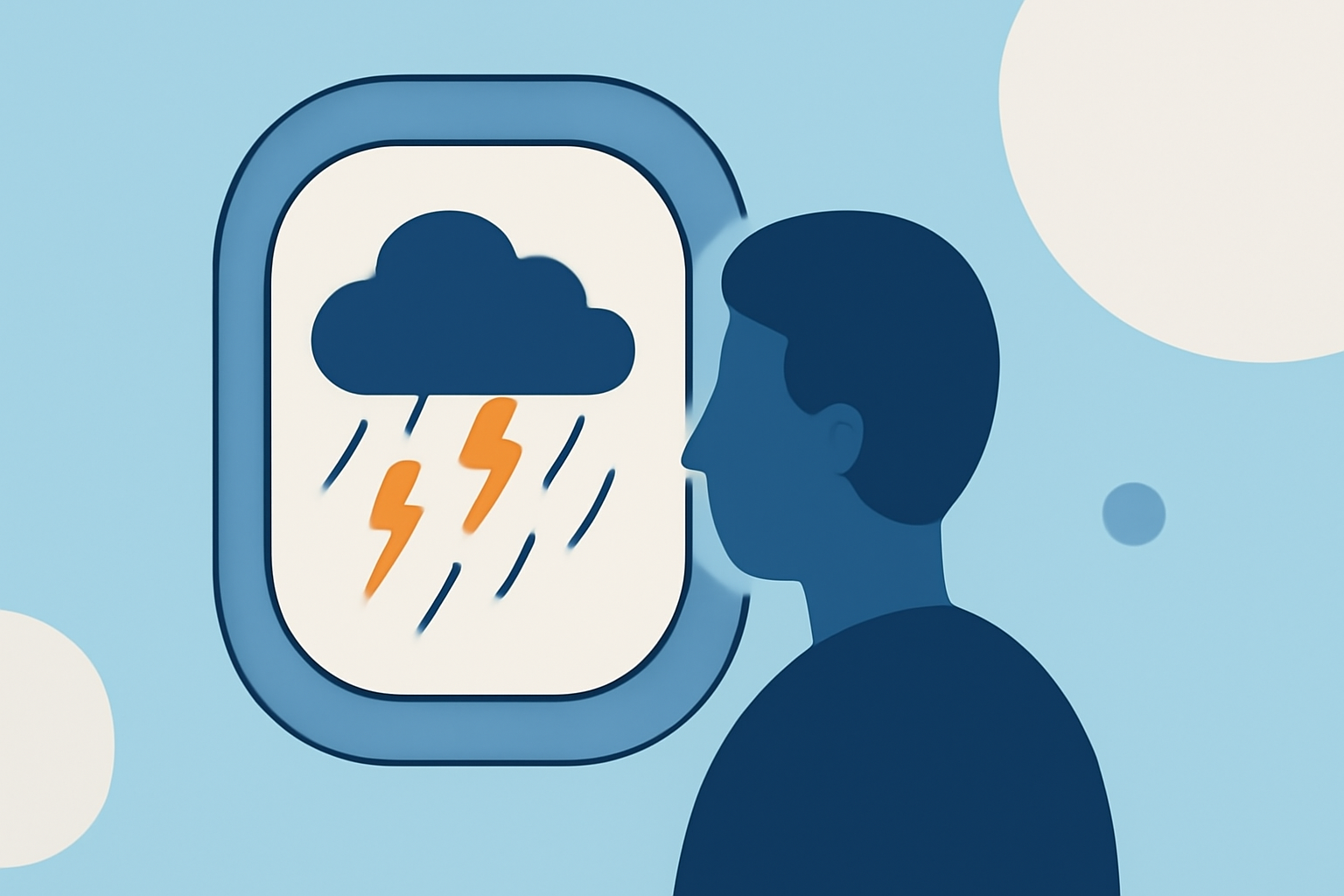
Flying for the first time can be both exciting and nerve-wracking, especially when anticipating stormy weather. Understanding how to plan and prepare can make your journey safer and more comfortable.
Understanding Stormy Weather and Its Impact on Flights
Storms, particularly thunderstorms, pose significant challenges to aviation. They can bring heavy rain, lightning, turbulence, and strong winds, all of which can affect flight safety and comfort. Pilots are trained to avoid these conditions whenever possible to ensure passenger safety. (thepointsguy.com)
How to Prepare for Your Flight During Stormy Weather
-
Stay Informed: Regularly check weather forecasts for your departure and arrival locations. Pay attention to any severe weather warnings or advisories. The Federal Aviation Administration (FAA) provides resources on severe weather preparedness. (faa.gov)
-
Communicate with Your Airline: Airlines monitor weather conditions closely and will inform passengers of any significant delays or cancellations. It's advisable to confirm your flight status before heading to the airport.
-
Plan for Delays: Severe weather can lead to flight delays or cancellations. Ensure you have a flexible schedule and consider having a backup plan for accommodations or transportation if needed.
-
Pack Essentials: In case of unexpected delays, pack necessary items such as medications, chargers, snacks, and entertainment to keep you comfortable during waiting periods.
How Planes Live Can Assist You
Planes Live offers real-time flight tracking and weather updates, allowing you to monitor your flight's status and any weather-related changes. This service can provide peace of mind by keeping you informed throughout your journey.
Safety Tips for Flying During Stormy Weather
-
Avoid Thunderstorms: Pilots are trained to avoid thunderstorms due to the risks of turbulence, lightning, and hail. It's advisable to stay clear of these conditions whenever possible. (faraim.org)
-
Stay Updated: Keep an eye on weather updates and be prepared for any changes in your flight schedule.
-
Follow Airline Instructions: Always adhere to the guidance provided by airline staff, especially during adverse weather conditions.
Conclusion
While flying during stormy weather requires careful planning and awareness, being informed and prepared can significantly enhance your safety and comfort. Utilizing tools like Planes Live can provide valuable assistance in navigating these conditions.