
Essential Guide to Ice Skating: Common Mistakes and How to Avoid Them
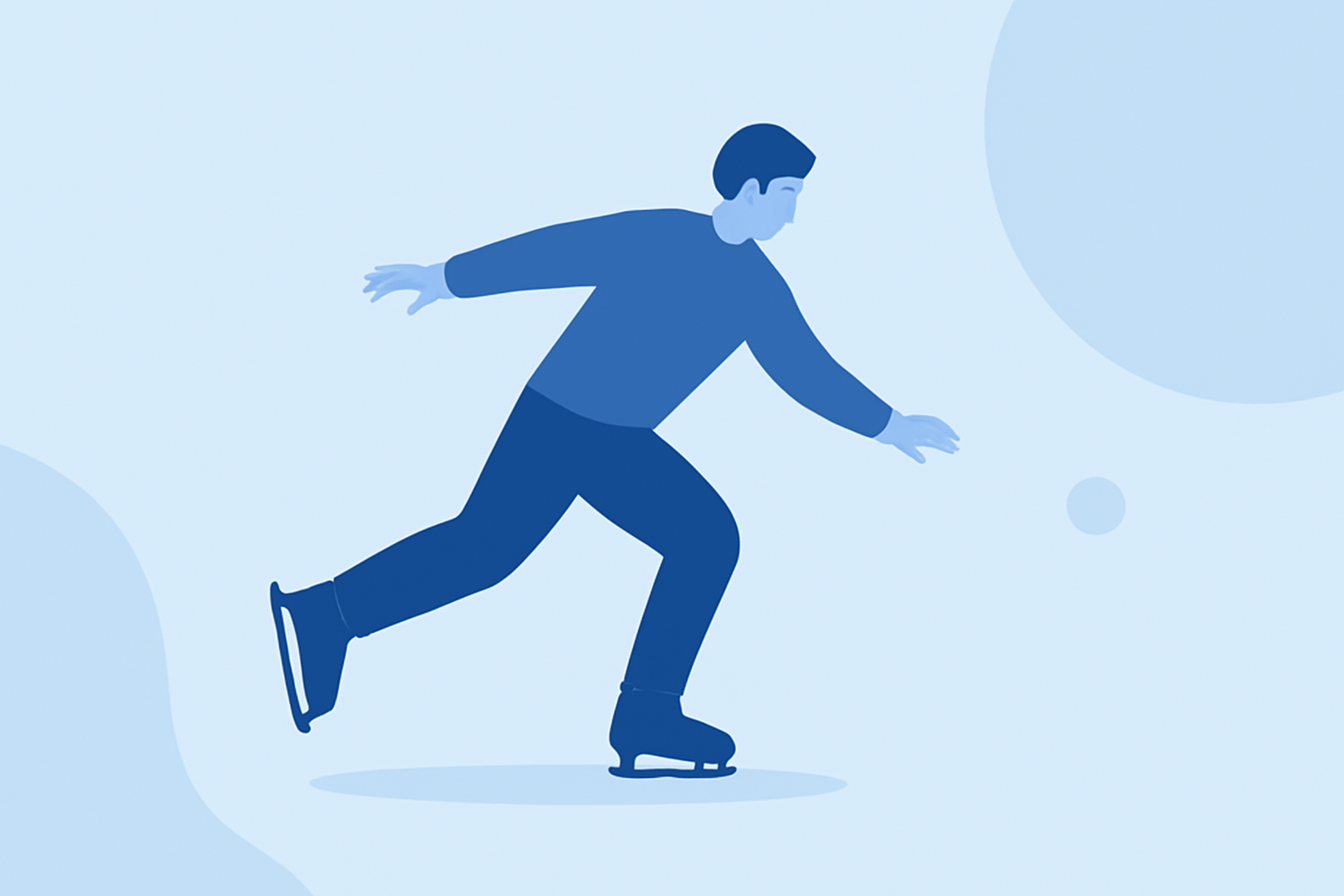
Ice skating is a delightful winter activity enjoyed by many. However, beginners and seasoned skaters alike often make mistakes that can lead to falls or injuries. Understanding these common errors and how to avoid them can enhance your skating experience.
1. What Are the Common Mistakes in Ice Skating?
-
Incorrect Posture: Maintaining a stiff posture can hinder balance. Instead, keep your knees slightly bent and your body relaxed to improve stability.
-
Looking Down: Constantly looking at your feet can disrupt your balance. Focus on a point ahead to maintain proper posture.
-
Overexertion: Pushing yourself too hard, especially when learning, can lead to fatigue and increase the risk of falls.
-
Wearing Inappropriate Clothing: Dressing too warmly can restrict movement, while dressing too lightly can lead to discomfort.
2. How Can I Improve My Ice Skating Skills?
-
Take Lessons: Enrolling in skating lessons can provide structured guidance and accelerate learning.
-
Practice Regularly: Consistent practice helps build muscle memory and confidence on the ice.
-
Strengthen Core Muscles: A strong core enhances balance and control, essential for skating.
3. What Are the Safety Precautions for Ice Skating?
-
Wear Proper Gear: Ensure your skates fit well and are in good condition. Beginners should consider wearing protective equipment like helmets and pads.
-
Check Ice Conditions: Before skating outdoors, verify that the ice is thick enough to support your weight. A minimum of four inches of clear ice is recommended for skating.
-
Stay Hydrated and Rested: Proper hydration and rest are crucial to maintain energy levels and prevent accidents.
4. How Does Weather Affect Ice Skating?
-
Temperature Fluctuations: Warm temperatures can weaken ice, making outdoor skating dangerous. Always check local weather forecasts before heading out.
-
Rain: Skating in the rain can create slippery surfaces and increase the risk of falls. It's advisable to avoid skating during wet conditions.
5. What Are the Benefits of Ice Skating?
-
Physical Fitness: Skating is an excellent cardiovascular exercise that also strengthens muscles and improves coordination.
-
Mental Well-being: Engaging in physical activities like skating can boost mood and reduce stress levels.
-
Social Interaction: Skating can be a fun group activity, fostering social connections and teamwork.
By being aware of these common mistakes and taking the necessary precautions, you can enjoy ice skating safely and effectively. Remember, practice and proper preparation are key to becoming a proficient skater.