
Essential Guide to Ice Skating Safety
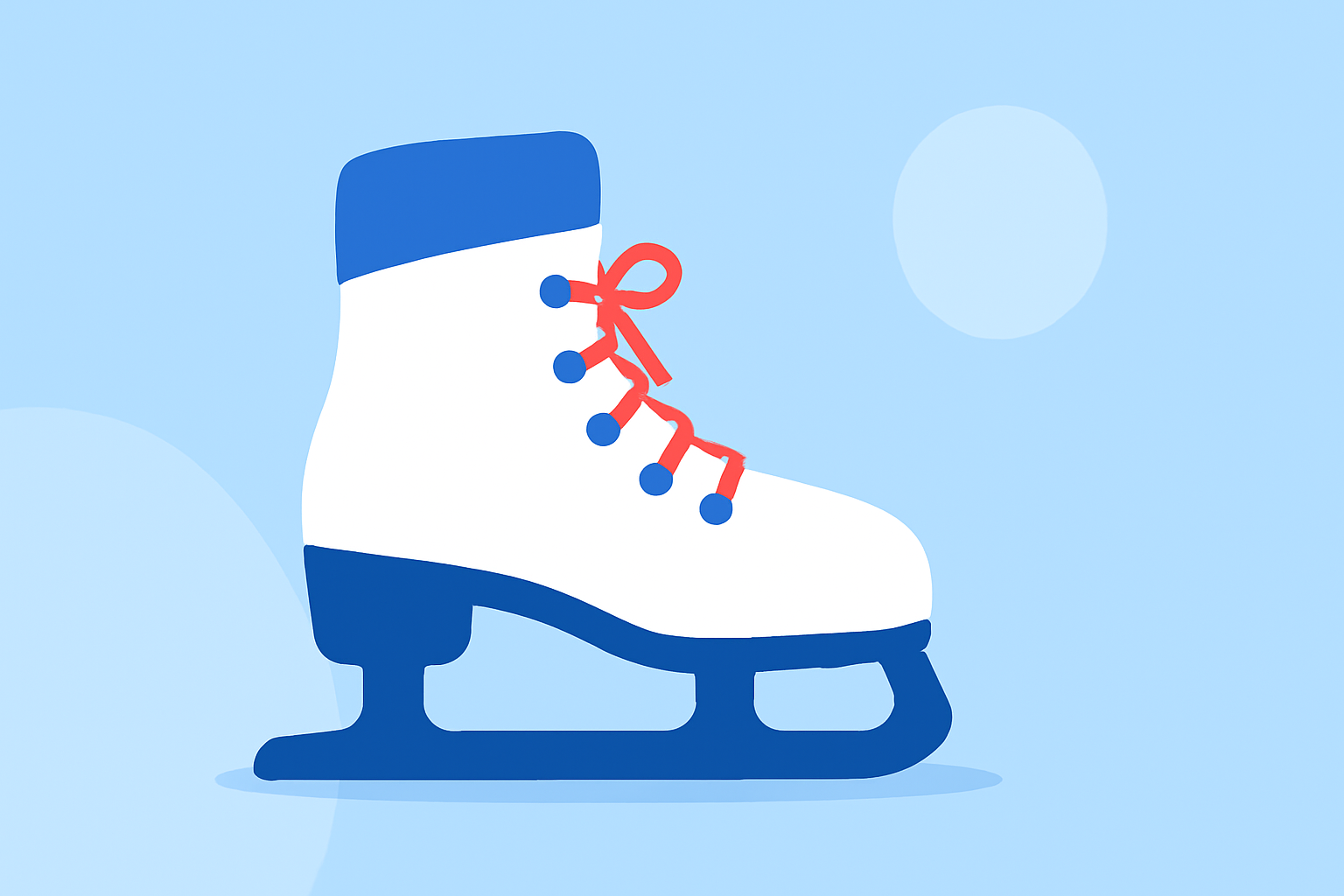
Ice skating offers a delightful way to enjoy winter, but safety should always be a priority. Here's a concise guide to ensure your ice skating experience is both enjoyable and secure.
How Thick Should Ice Be for Safe Skating?
The strength of ice varies based on several factors, including water chemistry, local climate, and ice thickness. Generally, ice is considered safe for skating when it's at least 5 inches thick. However, thicker ice provides added safety. To determine ice thickness, drill a hole and measure the depth. Keep in mind that ice thickness can vary across a body of water. (safesport.co.uk)
What Are the Signs of Unsafe Ice?
Even if ice appears solid, certain conditions can make it unsafe:
-
Cracks and Holes: Visible cracks or holes indicate weak spots.
-
Flowing Water: Water moving around the edges or beneath the ice can weaken it.
-
Thaw and Refreeze Cycles: Ice that has thawed and refrozen may be compromised.
Always avoid areas with these conditions. (weather.gov)
What Equipment Is Necessary for Ice Skating?
Proper equipment enhances safety and enjoyment:
-
Skates: Ensure they fit well to provide ankle support and prevent falls.
-
Protective Gear: Especially for beginners and children, wearing helmets, wrist pads, knee pads, and elbow pads is advisable. (childrensdayton.org)
What Are the Best Practices for Ice Skating?
-
Skate in Designated Areas: Opt for rinks or bodies of water marked as safe for skating.
-
Avoid Skating Alone: Always have a companion in case of emergencies.
-
Stay Alert: Be aware of your surroundings and other skaters to prevent collisions.
-
Learn to Fall: Practice falling safely to reduce injury risk. (childrensdayton.org)
How Can I Ensure Ice Quality?
Regular maintenance is crucial for ice quality:
-
Regular Inspections: Check ice thickness and quality frequently.
-
Clear Debris: Remove snow and debris to maintain a smooth surface.
-
Monitor Weather Conditions: Be aware of temperature fluctuations that can affect ice stability.
By adhering to these guidelines, you can enjoy ice skating safely and responsibly.
Highlights:
- Weather Wise: Ice Skating Safety
- Safety Tips: Ice Skating | Dayton Children's Hospital
- Safe Ice Skating - Playing Sport Safely