
Essential Guide to Layering Clothing During Winter Storms
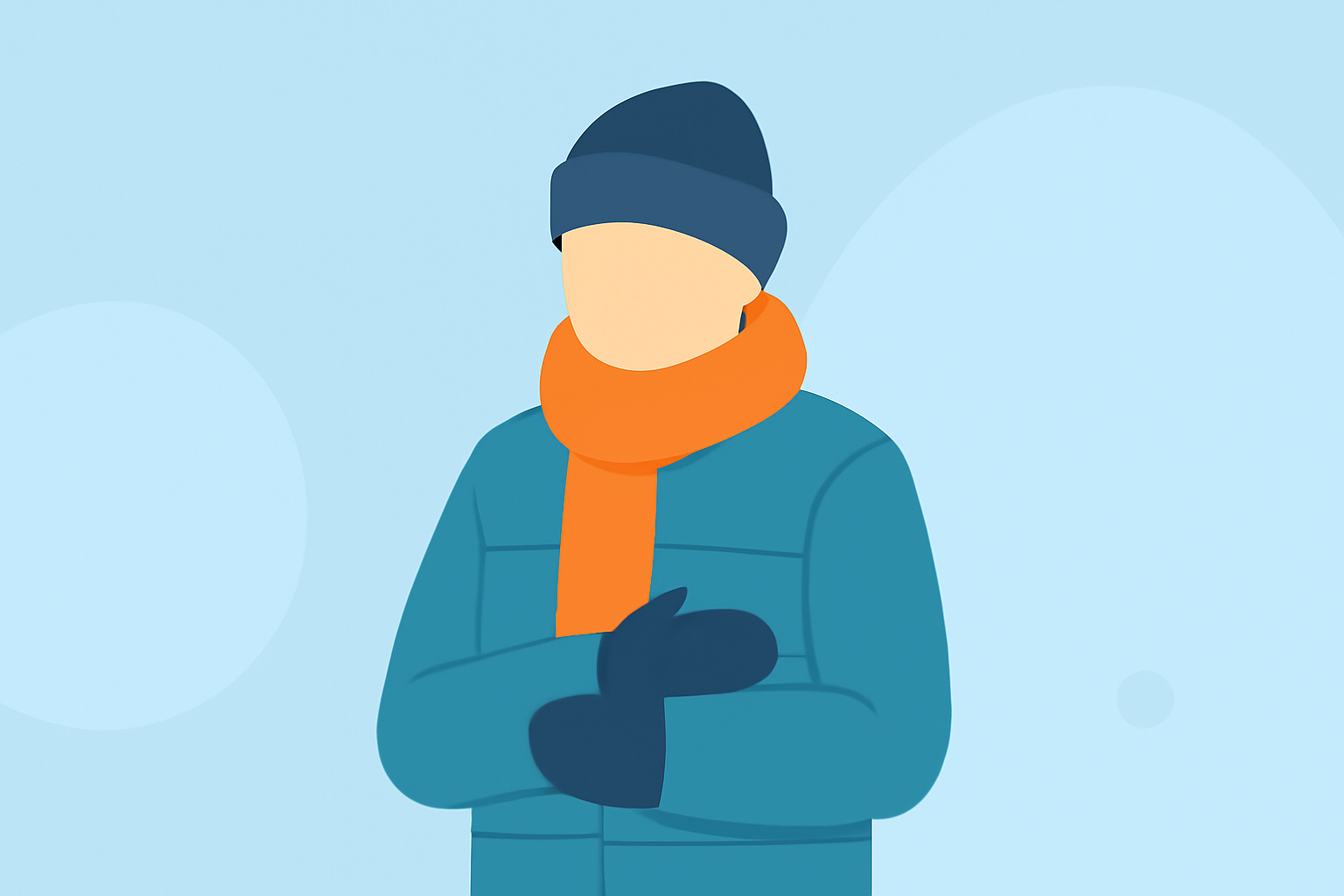
Winter storms bring cold temperatures, strong winds, and precipitation, making proper clothing essential for safety and comfort. Layering your clothing effectively can help you manage body heat, stay dry, and protect against the elements.
Why is Layering Important?
Layering allows you to adjust your clothing to changing conditions, preventing overheating and excessive sweating, which can lead to hypothermia. It also enables you to add or remove layers as needed to maintain comfort and warmth.
What Are the Three Layers of Clothing?
-
Base Layer: This layer sits closest to your skin and is designed to wick moisture away, keeping you dry. Materials like wool, silk, or synthetic fabrics such as polypropylene are effective choices. Avoid cotton, as it retains moisture and can make you feel colder. (cdc.gov)
-
Insulation Layer: The middle layer traps body heat to keep you warm. Options include fleece, wool, or down. This layer should be breathable to allow moisture to escape. (medlineplus.gov)
-
Outer Layer: The outermost layer protects against wind, rain, and snow. It should be tightly woven and water-resistant to reduce heat loss. Materials like Gore-Tex are popular for their waterproof and breathable properties. (health.harvard.edu)
How Should I Dress for Extreme Cold?
In extremely cold conditions, it's advisable to wear multiple layers:
-
Base Layer: A moisture-wicking fabric.
-
Middle Layer: An insulating material like fleece or down.
-
Outer Layer: A waterproof and windproof shell.
Additionally, wear a warm hat, mittens (which are warmer than gloves), and sturdy waterproof boots. Covering your mouth with a scarf can also protect your lungs from cold air. (weather.gov)
What Are Some Additional Tips for Dressing in Cold Weather?
-
Stay Dry: Wet clothing chills the body quickly. Remove extra layers if you start to sweat to prevent moisture buildup. (cdc.gov)
-
Avoid Overexertion: Activities like shoveling heavy snow or walking in deep snow can strain your heart. Take breaks and avoid overexertion to reduce the risk of heart attacks. (weather.gov)
-
Monitor for Hypothermia and Frostbite: Be aware of signs such as uncontrollable shivering, slurred speech, or numbness. If you experience these symptoms, seek shelter and medical attention immediately. (medlineplus.gov)
How Can I Prepare My Home for Winter Storms?
Before a winter storm, ensure your home is prepared:
-
Insulate Water Lines: Prevent pipes from freezing by insulating them, especially those near exterior walls or in attics. (cdc.gov)
-
Seal Leaks: Caulk and weather-strip doors and windows to keep cold air out. (cdc.gov)
-
Maintain Heating Systems: Have your furnace and chimney inspected annually to ensure they are functioning properly. (cdc.gov)
How Can I Stay Informed During a Winter Storm?
Stay updated by listening to weather forecasts and following guidance from local authorities. Having an emergency kit with essentials like food, water, and medications can also be beneficial. (cdc.gov)
By understanding and implementing these layering strategies and safety tips, you can effectively protect yourself during winter storms.
Highlights:
- Safety Guidelines: During & After a Winter Storm | Winter Weather | CDC, Published on Tuesday, February 06
- Cold Weather | Washington State Department of Health
- No excuses: How to layer up for walking in cold weather - Harvard Health, Published on Monday, January 23