
Essential Guide to Preparing Your Car for Hurricane Season
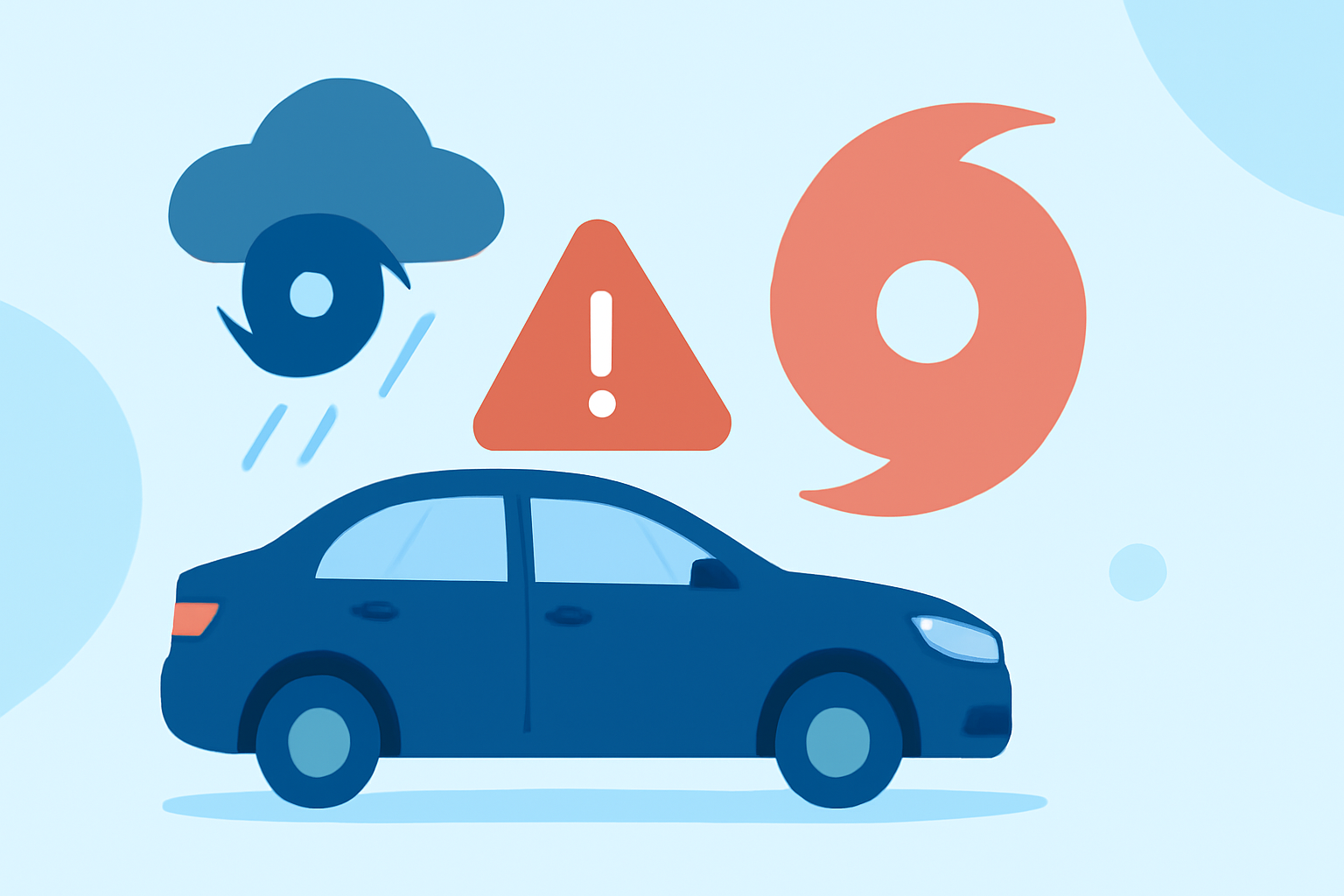
Hurricane season poses significant risks to vehicles, including flooding, debris damage, and power outages. Proper preparation can mitigate these threats and ensure your car remains operational when needed.
1. Maintain Your Vehicle Regularly
Regular maintenance is crucial for hurricane preparedness. Ensure your car is in optimal condition by addressing any mechanical issues promptly. Regular maintenance is crucial for hurricane preparedness. Ensure your car is in optimal condition by addressing any mechanical issues promptly. Regular maintenance is crucial for hurricane preparedness. Ensure your car is in optimal condition by addressing any mechanical issues promptly. Regular maintenance is crucial for hurricane preparedness. Ensure your car is in optimal condition by addressing any mechanical issues promptly.
2. Stock Essential Supplies
Equip your vehicle with an emergency kit containing:
- Non-perishable food and water for at least three days.
- First aid supplies.
- Flashlight with extra batteries.
- Portable phone charger.
- Basic tools and a spare tire.
These items can be lifesaving during evacuations or power outages.
3. Secure Important Documents
Store essential documents, such as insurance papers and identification, in a waterproof bag within your vehicle. This ensures access to critical information during emergencies.
4. Fill Up Your Gas Tank
Keep your gas tank full during hurricane season. Fuel shortages can occur post-storm, and a full tank ensures you can evacuate or access necessities without delay.
5. Park Strategically
If evacuation is necessary, park your vehicle in a safe location away from flood-prone areas and potential debris. A garage or covered structure offers protection from high winds and flying debris. Ensure the area is free from power lines and trees that could pose additional risks.
6. Avoid Driving During the Storm
If you remain in the area during a hurricane, avoid driving. Flooded roads and debris can make driving hazardous. Stay informed through local authorities and only drive when it's safe to do so.
7. Post-Storm Vehicle Inspection
After the storm, inspect your vehicle for damage. Check for signs of flooding, such as watermarks or a musty odor. If your vehicle has been exposed to floodwaters, consult a professional mechanic to assess and address potential issues.
By taking these proactive steps, you can enhance your vehicle's resilience against hurricane-related challenges and ensure it remains a reliable asset during emergencies.