
Essential Guide to Preventing Heat Stroke: Simple Steps for Everyone
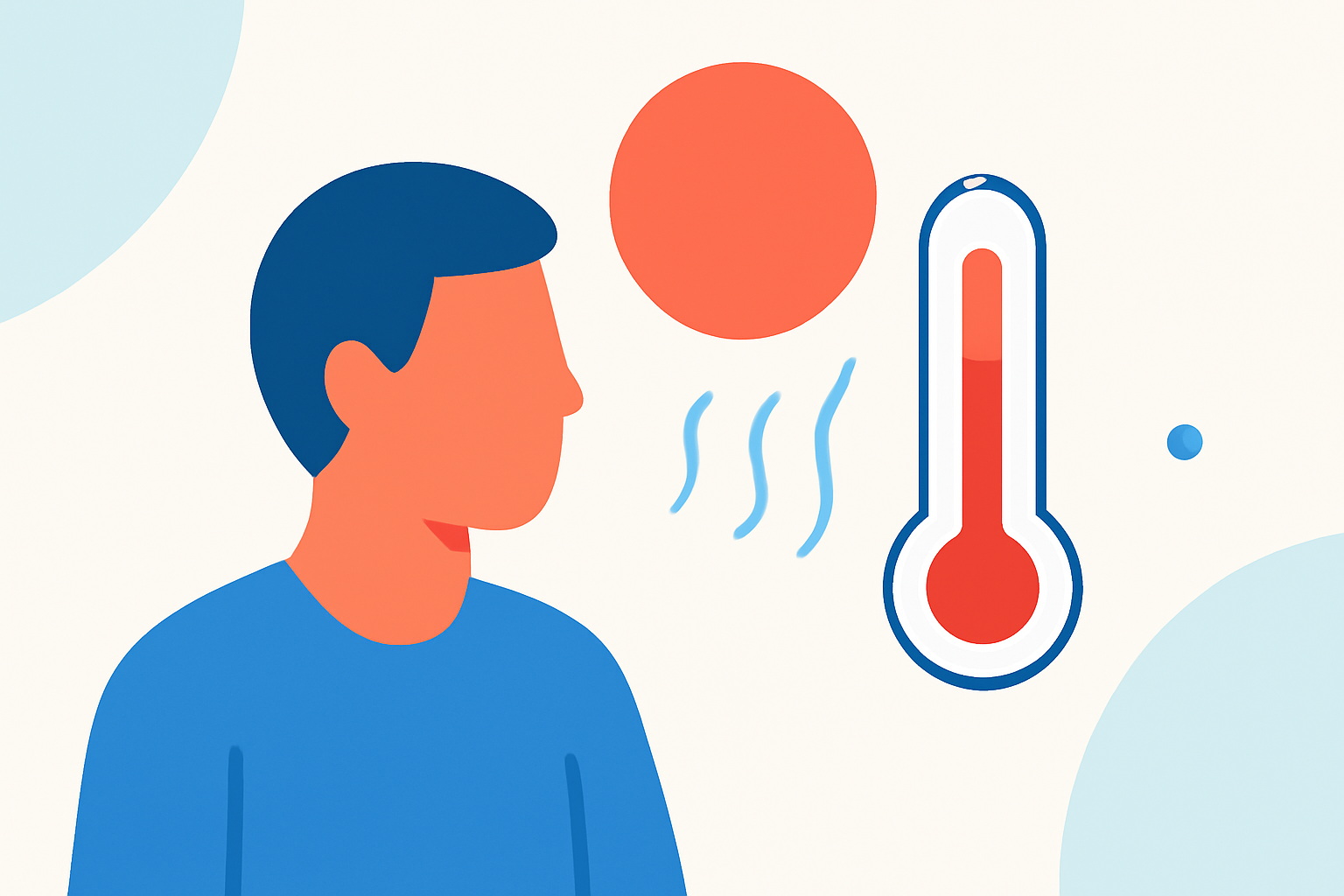
Heat stroke is a serious condition that occurs when your body overheats, often due to prolonged exposure to or physical exertion in high temperatures. It can lead to severe health complications if not addressed promptly. Understanding how to prevent heat stroke is crucial for everyone, especially during the warmer months.
What Is Heat Stroke?
Heat stroke is the most severe form of heat-related illness, characterized by a body temperature of 104°F (40°C) or higher. Symptoms may include confusion, rapid breathing, racing heartbeat, and loss of consciousness. Immediate medical attention is essential to prevent serious health issues. (mayoclinichealthsystem.org)
How Does Heat Affect the Body?
In hot conditions, your body works hard to cool itself by sweating. However, excessive heat can overwhelm this system, leading to dehydration and heat-related illnesses. Recognizing the signs of heat exhaustion—such as heavy sweating, dizziness, and nausea—is vital, as it can progress to heat stroke if not addressed. (medlineplus.gov)
Practical Tips to Prevent Heat Stroke
-
Stay Hydrated: Drink plenty of water throughout the day, even if you don't feel thirsty. Avoid alcohol and drinks with high sugar content, as they can contribute to dehydration. (osha.gov)
-
Dress Appropriately: Wear loose-fitting, lightweight, and light-colored clothing. Light colors reflect sunlight, helping to keep you cooler. (healthline.com)
-
Seek Shade and Cool Environments: Whenever possible, stay in air-conditioned spaces. If you don't have air conditioning at home, consider visiting public places like shopping malls or libraries to cool down. (cdc.gov)
-
Limit Outdoor Activities: Avoid strenuous activities during the hottest parts of the day, typically between 10 a.m. and 4 p.m. If you must exercise, do so during cooler times, such as early morning or evening. (health.harvard.edu)
-
Use Sun Protection: Apply a broad-spectrum sunscreen with an SPF of at least 30, wear a wide-brimmed hat, and use sunglasses to protect against sunburn, which can impair your body's ability to cool itself. (mayoclinichealthsystem.org)
-
Monitor Vulnerable Individuals: Check on children, older adults, and pets regularly during hot weather, as they are more susceptible to heat-related illnesses. (cdc.gov)
Recognizing the Signs of Heat-Related Illnesses
It's important to be aware of the symptoms of heat-related illnesses:
-
Heat Exhaustion: Heavy sweating, weakness, dizziness, nausea, and headache.
-
Heat Stroke: High body temperature (104°F/40°C or higher), confusion, rapid breathing, and loss of consciousness.
If you or someone else exhibits these symptoms, seek medical attention immediately. (mayoclinichealthsystem.org)
Conclusion
Preventing heat stroke involves simple yet effective measures: staying hydrated, dressing appropriately, seeking cool environments, limiting strenuous activities during peak heat, and protecting yourself from the sun. By following these steps, you can enjoy the summer safely and reduce the risk of heat-related illnesses.
Highlights:
- Summer Heatwaves Pose Major Health Risks: 8 Tips to Stay Safe, Published on Wednesday, May 27