
Essential Guide to Safe Dog Walking: Avoiding Weather-Related Mistakes
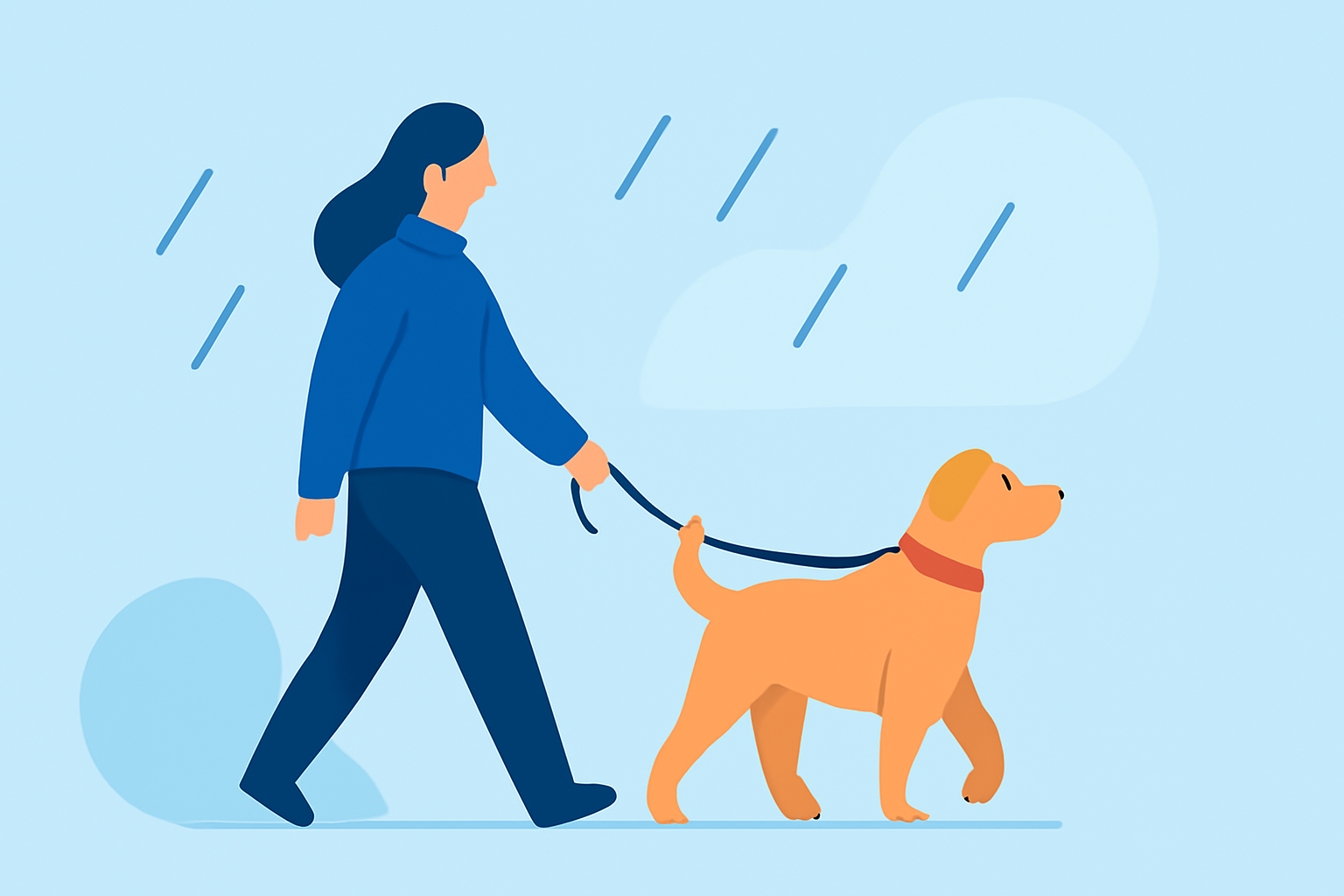
Walking your dog is a cherished activity, but it's crucial to consider weather conditions to ensure your pet's safety. Extreme temperatures, whether hot or cold, can pose significant risks to your dog's health.
What Temperature Is Too Hot for Dog Walking?
Temperatures above 85°F (29°C) can be dangerous for dogs. At this level, pavement and asphalt can become extremely hot, potentially causing burns to your dog's paws. The risk increases with higher temperatures, especially in direct sunlight. For instance, on a 75°F (24°C) day, the pavement can reach up to 125°F (52°C), which can damage your dog's paws in as little as 60 seconds. (pcva.org)
What Temperature Is Too Cold for Dog Walking?
When temperatures drop below 32°F (0°C), the risk of hypothermia and frostbite increases. Short-haired and small breeds are particularly susceptible. In such conditions, it's advisable to limit walks to 10-15 minutes and monitor your dog closely for signs of discomfort. (goodrx.com)
How to Safely Walk Your Dog in Hot Weather?
-
Choose the Right Time: Opt for early morning or late evening walks when temperatures are cooler.
-
Check the Pavement: Before walking, place the back of your hand on the pavement for 10 seconds. If it's too hot for you, it's too hot for your dog. (pcva.org)
-
Stay Hydrated: Always carry water for both you and your dog to prevent dehydration.
-
Watch for Signs of Overheating: Heavy panting, drooling, and lethargy are signs that your dog may be overheating.
How to Safely Walk Your Dog in Cold Weather?
-
Dress Appropriately: Consider using dog coats or sweaters to retain body heat, especially for short-haired breeds. (petworks.com)
-
Limit Walk Duration: Keep walks short and monitor your dog for signs of cold stress.
-
Protect Paws: Use booties to shield paws from ice, salt, and cold surfaces.
-
Stay Alert: Be vigilant for signs of hypothermia, such as shivering, lethargy, or reluctance to move.
How Does Humidity Affect Dog Walking?
High humidity can make it harder for dogs to cool down through panting, increasing the risk of heat-related illnesses. It's essential to adjust your walking routine during humid conditions to ensure your dog's safety. (walksbuddy.com)
What Are the Signs That It's Too Hot or Cold for a Dog Walk?
-
In Hot Weather: Watch for heavy panting, dark red gums, vomiting, or collapsing.
-
In Cold Weather: Signs include lifting paws repeatedly, shivering, whining, or trying to head home early. (dogchart.com)
How Can I Protect My Dog's Paws During Walks?
-
Use Paw Protection: Booties can protect paws from hot surfaces, ice, and salt.
-
Regular Checks: After walks, inspect your dog's paws for injuries or irritations.
-
Paw Care: Keep nails trimmed and pads moisturized to prevent cracking.
How Can I Monitor the Weather for Safe Dog Walking?
Utilizing a reliable weather app or service can provide real-time updates on temperature, humidity, and other conditions. This information helps in planning safe walking times and routes for your dog.
By staying informed and attentive to weather conditions, you can ensure enjoyable and safe walks for your canine companion.