
Essential Guide to Safe Dog Walking in 2026
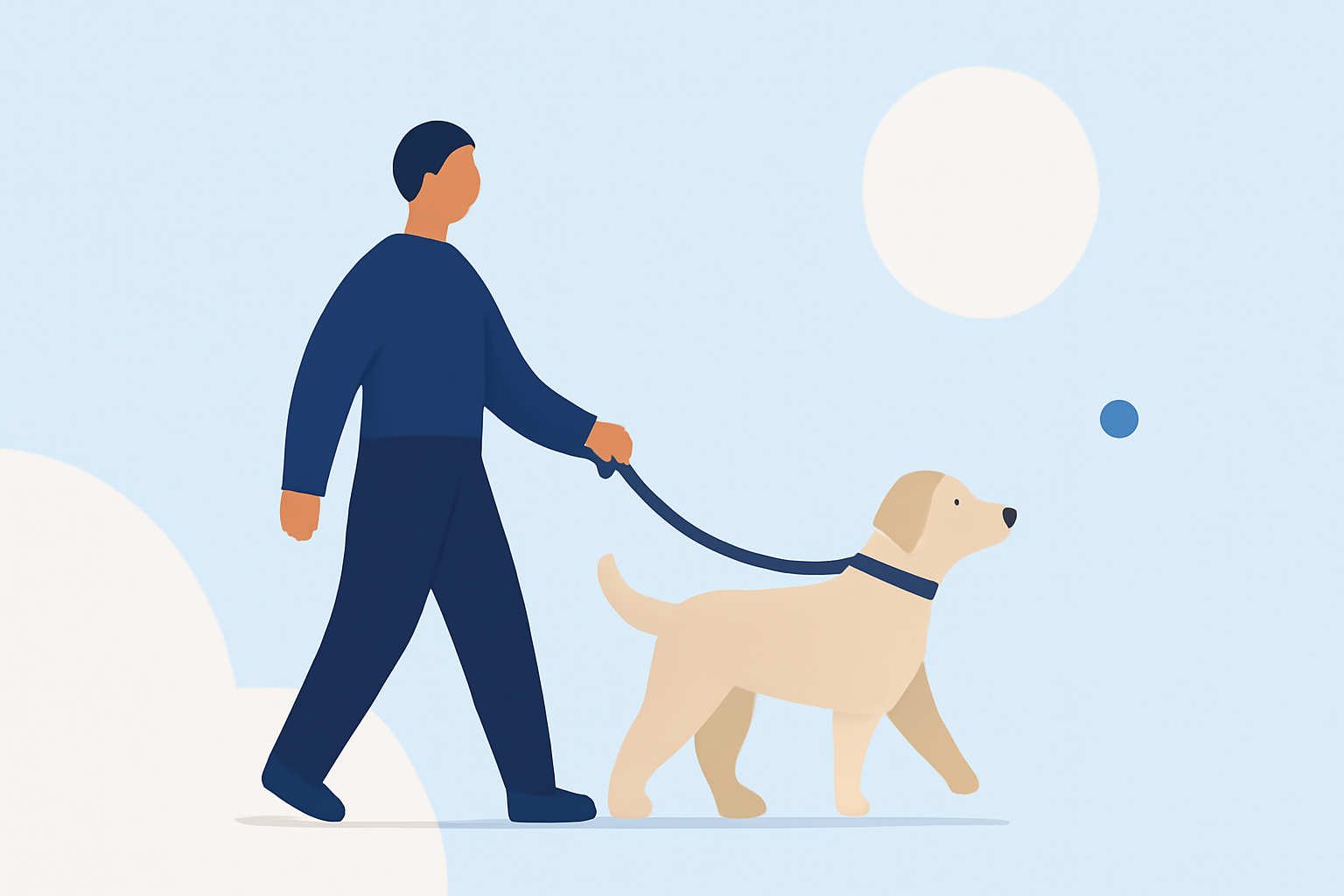
Walking your dog is a cherished activity, but it's crucial to adapt to the weather conditions to keep your canine companion safe and comfortable. In 2026, understanding the impact of various weather patterns on your dog's well-being is more important than ever. This guide provides essential tips for dog walking in different weather conditions, emphasizing safety and comfort.
How Does Temperature Affect Dog Walking?
Temperature plays a significant role in your dog's comfort and safety during walks. Generally, temperatures above 85°F (29°C) can be too hot for dogs, while those below 32°F (0°C) can be too cold. However, individual tolerance varies based on breed, size, and health. For instance, small or short-haired breeds may struggle in temperatures below 50°F (10°C), while larger or double-coated breeds might handle cooler temperatures better. (goodrx.com)
What Are the Risks of Walking Dogs in Extreme Temperatures?
Extreme temperatures pose several risks:
-
Heat Risks: In hot weather, dogs are susceptible to heatstroke, dehydration, and paw pad burns from hot pavement. (chewy.com)
-
Cold Risks: In cold weather, dogs can experience hypothermia, frostbite, and discomfort from icy surfaces. (petworks.com)
How Can I Safely Walk My Dog in Hot Weather?
To ensure safety during hot weather walks:
-
Choose Optimal Times: Walk your dog during cooler parts of the day, such as early morning or late evening. (chewy.com)
-
Protect Paws: Check the pavement temperature; if it's too hot for your hand, it's too hot for your dog's paws. (pcva.org)
-
Hydrate: Always carry water for both you and your dog to prevent dehydration.
What About Walking Dogs in Cold Weather?
For cold weather walks:
-
Limit Exposure: Keep walks short and monitor your dog for signs of discomfort. (petworks.com)
-
Protect Paws: Use dog booties or apply paw balm to shield against ice and salt. (petworks.com)
-
Warm Clothing: Dress your dog in insulated, water-resistant jackets to retain body heat. (parisianpet.com)
How Can I Ensure Safety During Night Walks?
Nighttime walks require additional precautions:
-
Increase Visibility: Use reflective gear and attach LED lights to your dog's collar. (chewy.com)
-
Stay Alert: Choose well-lit, familiar routes and keep your dog leashed at all times.
What Are the Signs That My Dog Is Uncomfortable During a Walk?
Watch for these signs:
-
Heat Discomfort: Excessive panting, drooling, or lethargy.
-
Cold Discomfort: Shivering, lifting paws off the ground, or reluctance to move.
How Can I Prepare for Walking My Dog in Various Weather Conditions?
Preparation is key:
-
Check the Weather: Always review the forecast before heading out.
-
Use Appropriate Gear: Invest in quality leashes, harnesses, and weather-appropriate clothing for your dog.
-
Know Your Dog's Limits: Understand your dog's breed-specific needs and health status to tailor walks accordingly.
By staying informed and prepared, you can ensure that your dog enjoys safe and comfortable walks throughout 2026, regardless of the weather conditions.