
Essential Guide to Safe Pet Walking in Various Weather Conditions
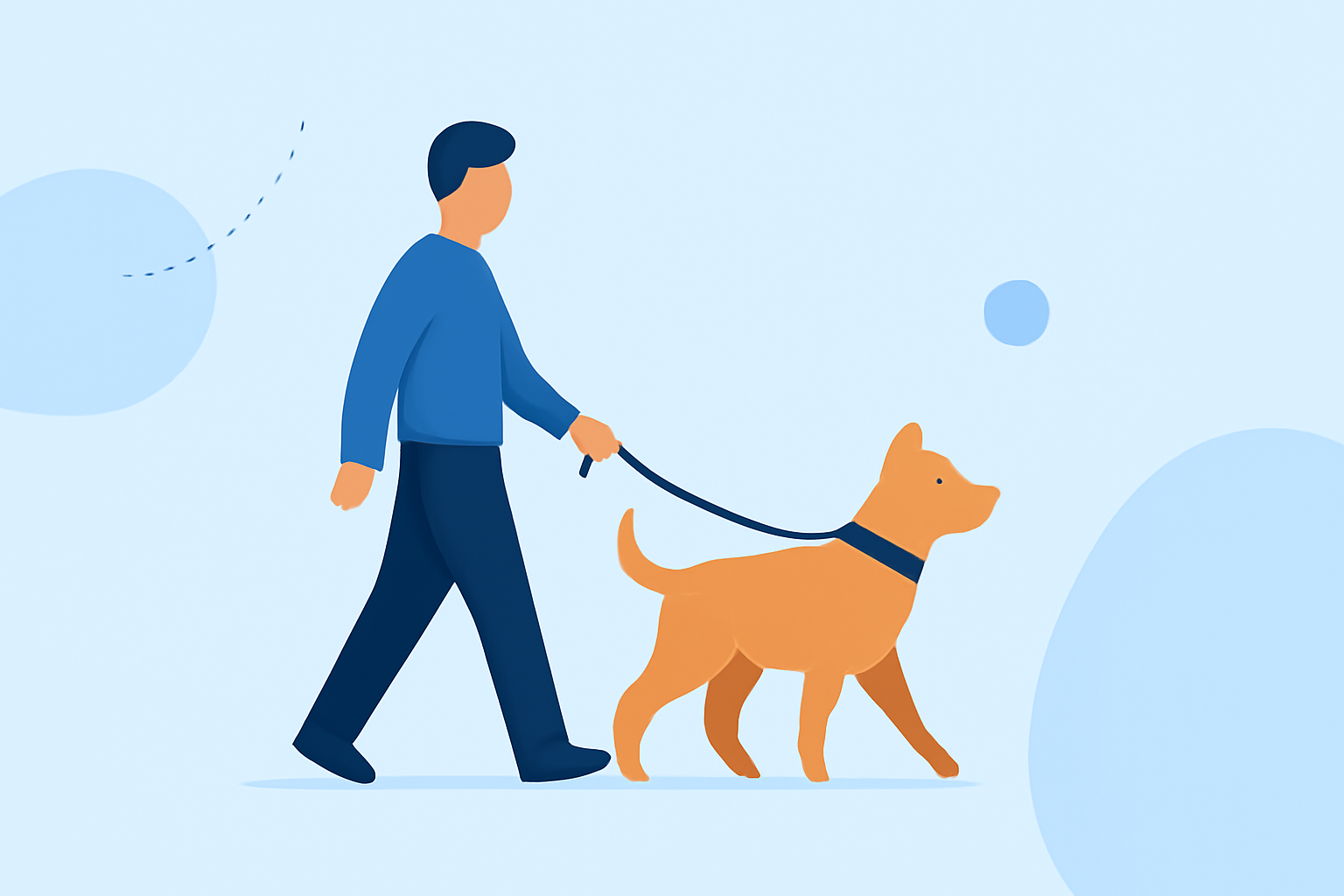
Walking your pet is a delightful way to bond and keep them healthy. However, it's crucial to consider the weather conditions to ensure both your and your pet's safety.
How Does Weather Affect Pet Walking?
Extreme temperatures, whether hot or cold, can pose significant risks to pets. Pets are susceptible to heatstroke in high temperatures and hypothermia in cold ones. Additionally, wet conditions can lead to slippery surfaces, increasing the risk of injury.
What Are the Risks of Walking Pets in Hot Weather?
In hot conditions, pets can suffer from heat-related illnesses, including heatstroke. Signs to watch for include excessive panting, drooling, lethargy, and vomiting. Certain breeds, especially brachycephalic ones like Bulldogs and Pugs, are more susceptible to heat-related issues. (cdph.ca.gov)
How Can I Protect My Pet During Hot Weather?
- Avoid Peak Heat: Walk your pet during cooler parts of the day, such as early morning or late evening.
- Stay Hydrated: Always carry water for both you and your pet.
- Paw Care: Check the ground temperature; if it's too hot for your hand, it's too hot for your pet's paws. (cdph.ca.gov)
- Shade and Rest: Take regular breaks in shaded areas to prevent overheating.
What Are the Risks of Walking Pets in Cold Weather?
Cold temperatures can lead to hypothermia and frostbite in pets. Short-coated and small breeds are particularly vulnerable. Signs of cold-related issues include shivering, lethargy, and pale gums. (vet.cornell.edu)
How Can I Protect My Pet During Cold Weather?
- Limit Exposure: Keep walks short and monitor your pet for signs of discomfort.
- Warm Clothing: Consider using pet sweaters or coats to provide extra warmth.
- Paw Protection: Use booties to protect paws from ice and salt, or clean their paws after walks. (vet.cornell.edu)
- Shelter: Ensure your pet has access to a warm, dry place when indoors.
What Should I Do During Rainy or Wet Conditions?
Wet conditions can make surfaces slippery, increasing the risk of falls. Additionally, standing water may contain harmful bacteria or parasites.
How Can I Protect My Pet During Wet Weather?
- Leash Control: Keep your pet on a leash to prevent them from running into puddles or standing water.
- Dry Off: After walks, dry your pet thoroughly to prevent skin issues.
- Paw Care: Check paws for debris or irritants that may have been picked up during the walk.
How Can I Monitor Local Weather Conditions?
Staying informed about local weather is essential for planning safe walks. Utilize reliable weather apps or websites to check current conditions and forecasts.
How Can Clime Assist in Pet Walking Safety?
Clime offers real-time weather updates and forecasts, helping you plan walks during optimal conditions. By providing accurate and timely information, Clime ensures you can make informed decisions to keep your pet safe.
Conclusion
Being aware of weather conditions and taking appropriate precautions can make pet walking a safe and enjoyable activity for both you and your pet. Always prioritize your pet's well-being by staying informed and prepared.
Highlights:
- Heat and Pets | Heat Health | CDC, Published on Monday, June 24
- Winter Pet Safety Tips | Mass.gov
- Winter safety tips | Cornell University College of Veterinary Medicine