
Essential Guide to Sailing Weather Forecasts
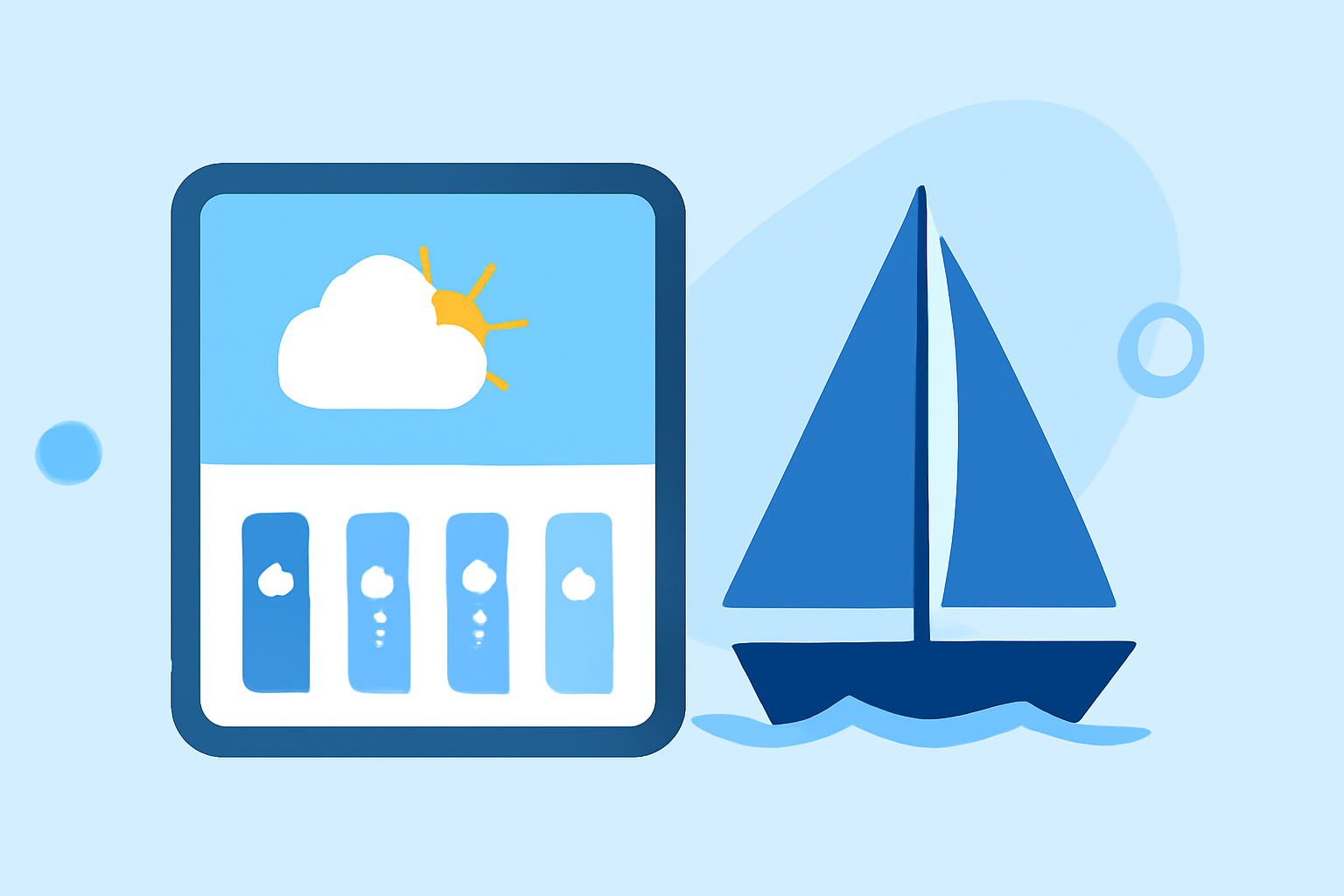
Understanding marine weather forecasts is crucial for safe and enjoyable sailing. This guide provides a concise overview of key elements to consider when planning your next voyage.
1. What Are Marine Weather Forecasts?
Marine weather forecasts offer detailed information about conditions at sea, including wind speed and direction, wave height, sea state, and potential hazards. Unlike general weather forecasts, they are tailored for maritime activities, providing insights essential for sailors.
2. Key Components of a Marine Weather Forecast
-
Wind Speed and Direction: Wind is a primary factor affecting sailing conditions. Forecasts specify wind speed (measured in knots) and direction (e.g., from the north at 15 knots), helping sailors anticipate sailing angles and potential challenges.
-
Wave Height and Sea State: Wave height indicates the size of waves, while sea state describes their condition (e.g., calm, moderate, rough). These elements influence boat stability and comfort.
-
Tides and Currents: Understanding tidal patterns and current strengths is vital for navigation, especially in coastal areas.
-
Weather Hazards: Forecasts may highlight potential hazards like thunderstorms, fog, or rapid temperature changes, which can impact safety.
3. How to Read a Marine Weather Forecast
-
Wind Information: Look for wind speed and direction to plan your sailing route and anticipate maneuvers.
-
Wave and Sea State Details: Assess wave heights and sea conditions to determine if the voyage is suitable for your vessel and crew.
-
Tide and Current Data: Check tidal schedules and current strengths to optimize timing and route planning.
-
Hazard Warnings: Pay attention to any warnings or advisories to ensure safety during your trip.
4. Utilizing Technology for Accurate Forecasts
Modern tools enhance forecast accuracy and accessibility:
-
Marine Weather Apps: Applications like Windy and PredictWind provide real-time updates and detailed forecasts tailored for sailors.
-
Online Resources: Websites such as the National Weather Service offer comprehensive marine forecasts and educational materials.
5. Interpreting Natural Indicators
Observing natural signs can complement forecast data:
-
Cloud Patterns: Towering cumulus clouds may indicate thunderstorms.
-
Sun and Moon Halos: Circles around these celestial bodies can signal approaching storms.
-
Animal Behavior: Seabirds returning to shore or increased star twinkling might suggest changing weather.
6. Safety Precautions
Always prioritize safety by:
-
Regularly Monitoring Forecasts: Check updates frequently, especially before and during your trip.
-
Understanding Your Vessel's Limits: Be aware of your boat's capabilities and the crew's experience level.
-
Having a Contingency Plan: Know alternative routes and safe harbors in case conditions deteriorate.
By mastering the interpretation of marine weather forecasts and staying vigilant, you can ensure a safer and more enjoyable sailing experience.
Highlights:
- AI Passage Plan — Sailing Weather Intelligence
- How to Read Marine Weather Forecasts: A Complete Guide | SeaLegsAI, Published on Friday, February 27
- 10 Best Marine Weather Apps for Boaters | Discover Boating