
Essential Guide to Tree Trimming: Common Mistakes and How to Avoid Them
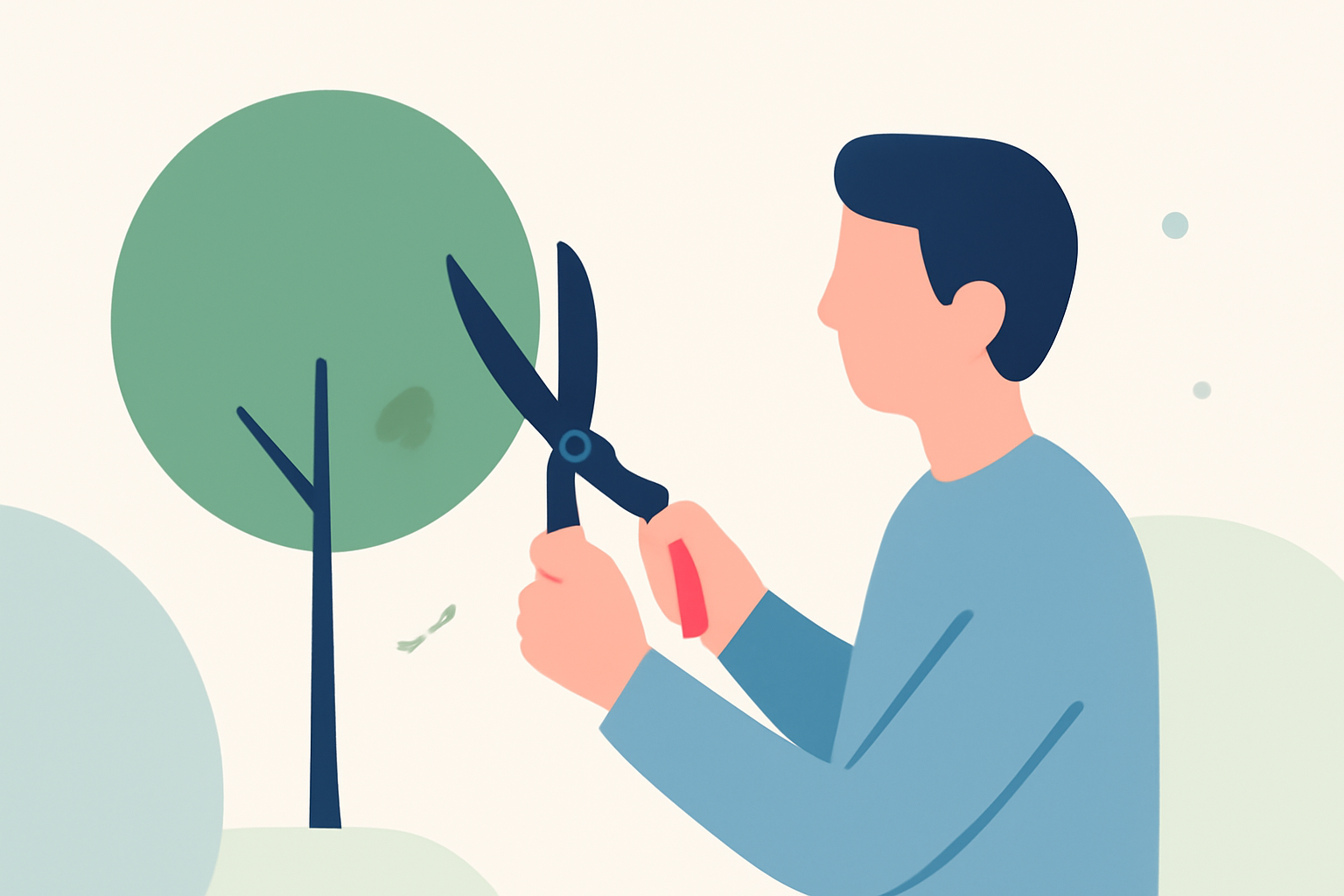
Proper tree trimming is vital for maintaining the health and aesthetics of your trees. However, certain mistakes can lead to long-term damage. Here's a guide to help you avoid common pitfalls.
1. What Are the Common Tree Trimming Mistakes?
-
Over-Pruning: Removing more than 25% of a tree's canopy in a single session can severely stress the tree, depleting its energy reserves and making it more vulnerable to disease and structural failure. (treeworkmd.com)
-
Tree Topping: Cutting main branches back to stubs removes the tree’s natural structure and triggers a flush of weakly attached regrowth called watersprouts. These fast-growing shoots attach at the surface rather than developing the deep wood-grain connections that resist wind stress. A topped tree is far more dangerous in a storm than one that was never trimmed at all. (treeworkmd.com)
-
Flush Cuts: Cutting too close to the trunk removes the branch collar, the tree’s natural healing zone. Without it, the wound can’t seal properly, creating an entry point for decay organisms that weaken the trunk over months and years. (treeworkmd.com)
-
Over-Thinning (Lion’s Tailing): Stripping interior branches while leaving foliage only at branch tips creates a lollipop effect that concentrates weight at the ends of limbs. Instead of reducing wind load, this increases leverage on attachment points and makes branches more likely to snap. (treeworkmd.com)
2. How Does Weather Affect Tree Trimming?
-
Avoid Pruning During Active Growth: Pruning during the growing season can cause stress to your tree and make it more vulnerable to disease. Removing branches will impact future growth and seriously hinder the tree’s ability to grow, heal, absorb sunlight, and produce food. (lawnstarter.com)
-
Steer Clear of Extreme Weather Conditions: Pruning during drought, heatwaves, or freezing temperatures can place additional stress on the tree, making it more susceptible to disease and decay. (homesandgardens.com)
3. What Are the Best Practices for Tree Trimming?
-
Use Proper Tools: Ensure your pruning tools are sharp and clean to make precise cuts that promote healing. (bobvila.com)
-
Prune at the Right Time: For most trees, heavy pruning is best done during dormancy, typically in late winter or early spring. (idealhome.co.uk)
-
Avoid Topping: Instead of cutting back the main trunk, use crown reduction techniques to maintain the tree’s structural integrity. (joetreeservice.com)
-
Make Proper Cuts: Always cut at a 45° angle just above a bud to promote healthy growth and reduce the risk of disease. (gardeningknowhow.com)
4. How Can Clime Assist with Tree Trimming?
Clime offers comprehensive weather forecasting services, providing accurate and timely information to help you plan your tree trimming activities. By understanding local weather patterns, you can schedule pruning during optimal conditions, ensuring the health and longevity of your trees.
5. When Should You Seek Professional Help?
If you're unsure about the best time to prune or how to perform the trimming correctly, it's advisable to consult with a certified arborist. They can provide expert guidance tailored to your specific tree species and local climate conditions.
By avoiding these common mistakes and following best practices, you can ensure your trees remain healthy, strong, and beautiful for years to come.
Highlights:
- When pruning can kill your tree - expert arborists reveal the danger periods to avoid, Published on Thursday, September 25
- Experts say gardeners should check one thing before pruning in December to avoid 'increased risk of disease', Published on Wednesday, December 03
- Avoid pruning your trees at these critical times or risk harming your garden, Published on Thursday, October 02