
Essential Heat Wave Safety Tips: Stay Cool and Protected
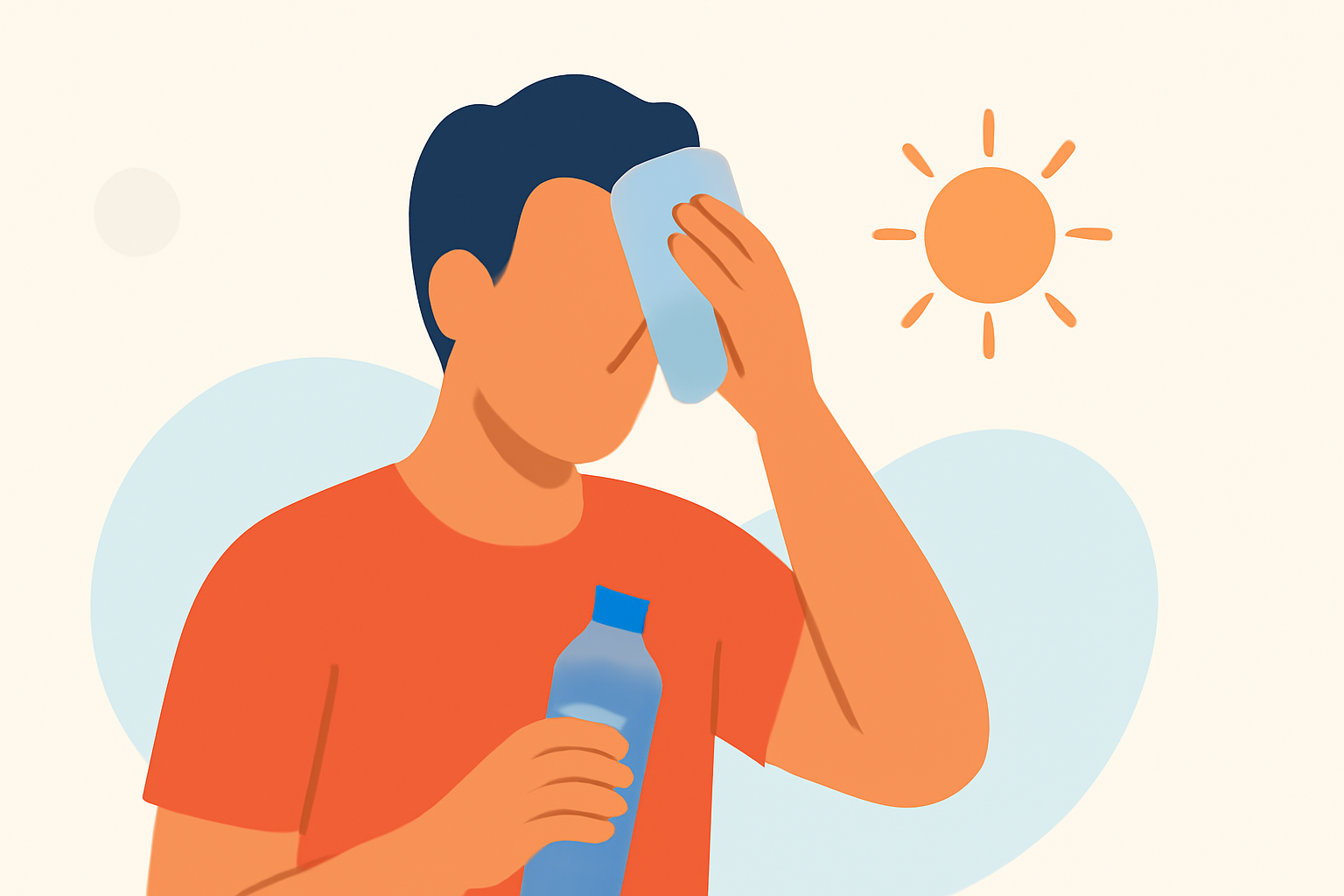
Heat waves pose significant health risks, especially in the United States, where they can lead to heat-related illnesses and even fatalities. Understanding how to protect yourself during these extreme conditions is crucial.
What Are Heat Waves?
A heat wave is a prolonged period of excessively hot weather, often with high humidity, that can last for several days. These conditions can be taxing on the body and increase the risk of heat-related illnesses. (weather.gov)
How Can You Stay Cool During a Heat Wave?
-
Stay Indoors: Limit outdoor activities, especially during the hottest parts of the day. If you don't have air conditioning, consider visiting public places like malls or libraries. (cdc.gov)
-
Use Fans Wisely: Fans can help circulate air, but if indoor temperatures exceed 90°F, they may not be effective and could even increase body temperature. (cdc.gov)
-
Wear Appropriate Clothing: Opt for lightweight, light-colored clothing to reflect heat and sunlight. (weather.gov)
What Are the Signs of Heat-Related Illnesses?
Be aware of symptoms such as muscle cramps, heavy sweating, dizziness, headaches, weakness, and nausea. If you experience these, seek medical attention immediately. (cdc.gov)
How Can You Stay Hydrated?
-
Drink Plenty of Fluids: Consume water regularly throughout the day, even if you don't feel thirsty. Avoid alcohol and high-sugar drinks, as they can dehydrate you. (cdc.gov)
-
Monitor Urine Color: Light yellow or clear urine typically indicates proper hydration.
What Should You Do if You Don't Have Air Conditioning?
-
Seek Cooler Environments: Spend time in air-conditioned public places or visit cooling centers. If these aren't available, consider staying on the lowest floor of your home, out of direct sunlight. (cdc.gov)
-
Use Cool Showers or Baths: Taking cool showers or baths can help lower your body temperature.
How Can You Protect Vulnerable Populations?
Check on family, friends, and neighbors, especially those with chronic medical conditions or who live alone. Ensure they have access to cool environments and are staying hydrated. (cdc.gov)
How Can You Prepare for Future Heat Waves?
-
Create a Heat Action Plan: Work with your doctor to develop a plan that includes staying cool, staying hydrated, and recognizing symptoms of heat-related illnesses. (cdc.gov)
-
Stay Informed: Keep track of local weather forecasts and heat advisories to plan your activities accordingly.
By following these guidelines, you can significantly reduce the risks associated with heat waves and ensure your safety during extreme heat conditions.
Highlights:
- Keeping Cool in a Heat Wave | Natural Disasters | CDC, Published on Wednesday, February 07
- About Heat and Your Health | Heat Health | CDC, Published on Thursday, July 24
- Heat and People without Air Conditioning | Heat Health | CDC, Published on Monday, June 24