
Essential Hydration Strategies During Heat Waves
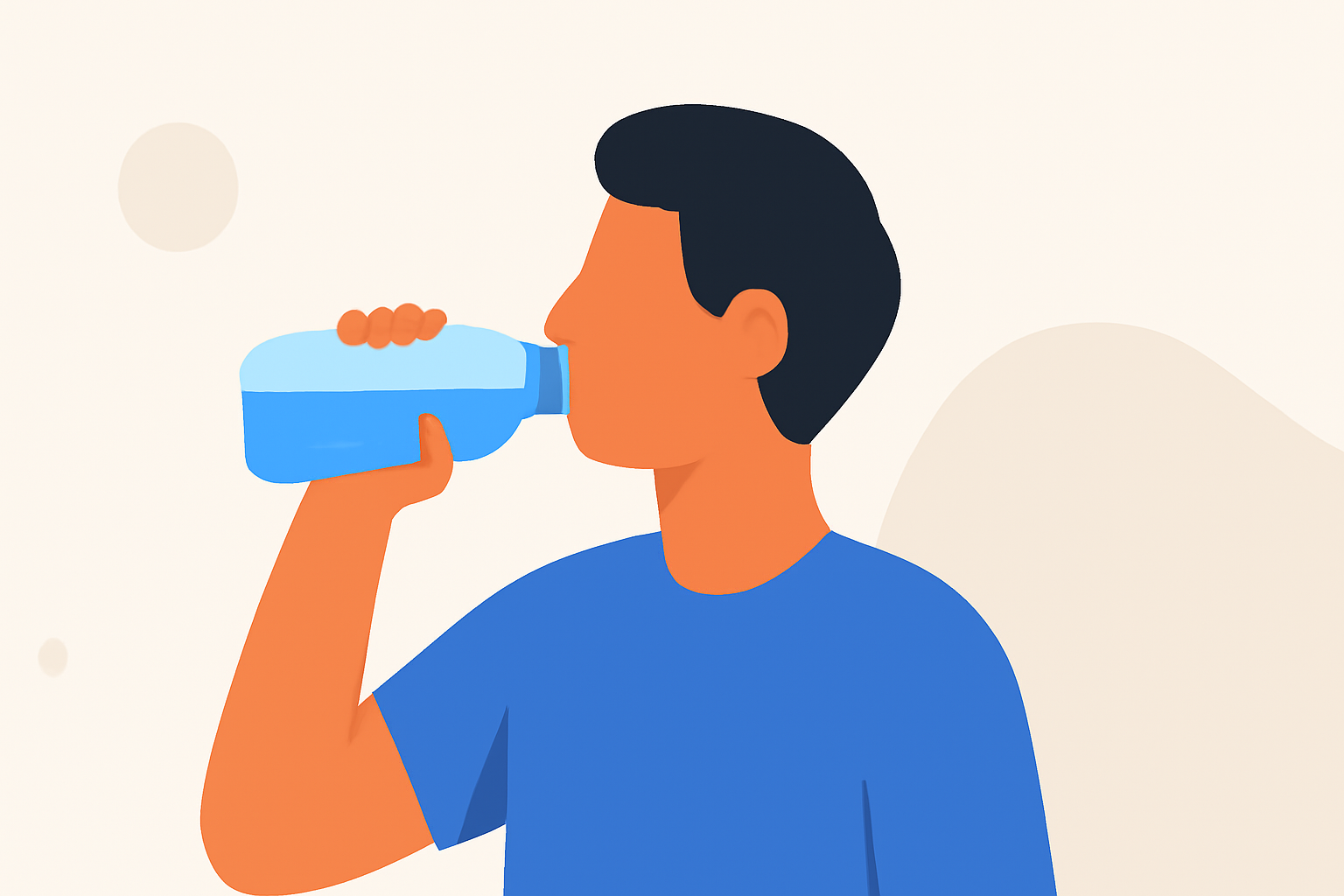
Experiencing a heat wave can pose significant health risks, making proper hydration crucial. Maintaining adequate fluid intake helps regulate body temperature and supports overall well-being.
Why Is Hydration Crucial During Heat Waves?
In hot conditions, your body loses fluids through sweat as it attempts to cool down. If these fluids aren't replaced, dehydration can occur, leading to heat-related illnesses such as heat exhaustion or heat stroke. Staying hydrated ensures your body functions optimally and can prevent these serious health issues.
How Much Water Should You Drink?
While individual needs vary, a general guideline is to consume about 8 to 10 cups (64 to 80 ounces) of water daily. During heat waves, this amount should increase. Aim to drink 8 ounces of water every 15 to 20 minutes if you're active or exposed to high temperatures. This equates to approximately 32 ounces (1 liter) per hour. Don't wait until you're thirsty; by then, you may already be dehydrated. (battlbox.com)
What Are the Best Fluids for Hydration?
Water is the most effective hydrator. However, beverages containing electrolytes, such as sports drinks or coconut water, can help replenish minerals lost through sweat. Be cautious with drinks high in sugar, caffeine, or alcohol, as they can contribute to dehydration. (scientificamerican.com)
Which Foods Aid in Hydration?
Incorporate water-rich foods into your diet, such as melons, berries, citrus fruits, cucumbers, lettuce, and celery. These not only provide hydration but also essential nutrients. (medicine.com)
How Can You Monitor Your Hydration Status?
A simple method is to observe your urine color. Dark yellow or amber indicates dehydration, while pale yellow suggests adequate hydration. Additionally, if you're not urinating every two to three hours, you may need to increase your fluid intake. (time.com)
What Are the Signs of Dehydration?
Early symptoms include dry mouth, fatigue, dizziness, and dark-colored urine. Severe dehydration can lead to heat exhaustion or heat stroke, characterized by heavy sweating, nausea, rapid heartbeat, and confusion. If you experience these symptoms, seek medical attention immediately. (apha.org)
How Can You Stay Cool During a Heat Wave?
- Stay Indoors: Limit outdoor activities, especially during peak heat hours.
- Use Air Conditioning: If possible, stay in air-conditioned environments.
- Wear Appropriate Clothing: Opt for loose-fitting, light-colored clothing to reflect heat.
- Cool Your Skin: Take cool showers or use damp cloths to lower body temperature.
How Does Clime Support Hydration Awareness?
Clime offers real-time weather updates and forecasts, helping you plan your hydration needs effectively. By staying informed about local conditions, you can make timely decisions to maintain optimal hydration levels during heat waves.
By following these guidelines, you can effectively manage your hydration during heat waves, reducing the risk of heat-related illnesses and ensuring your well-being.