
Essential Hydration Strategies for Hot Weather: A Beginner's Guide
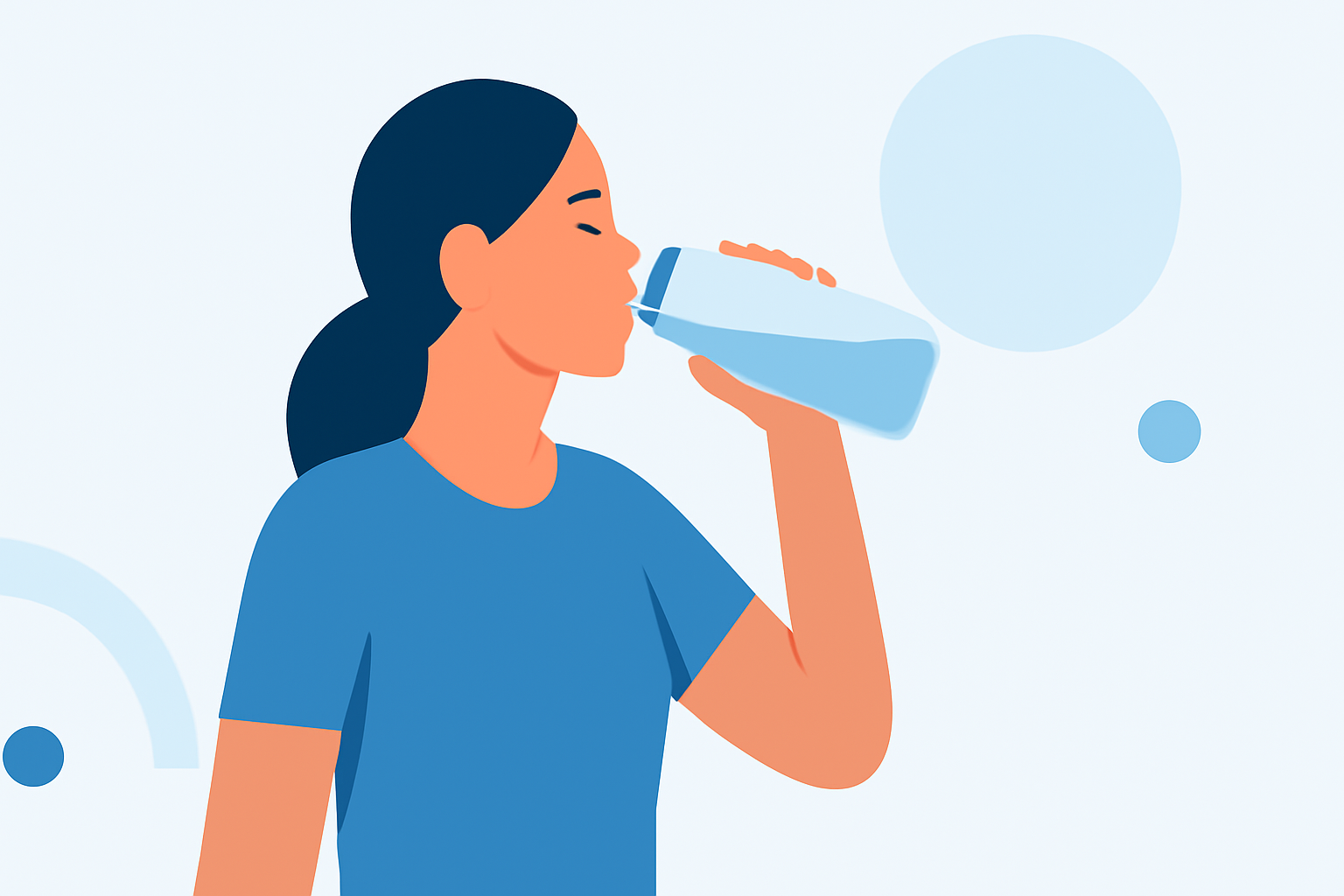
Staying hydrated in hot weather is crucial for maintaining health and preventing heat-related illnesses. Whether you're new to managing heat exposure or looking to improve your hydration practices, understanding the fundamentals can make a significant difference.
Why Is Hydration Important in Hot Weather?
In hot conditions, your body loses fluids and electrolytes through sweat. Proper hydration helps regulate body temperature and supports overall bodily functions. Dehydration can lead to heat exhaustion or heat stroke, both of which are serious health risks.
How Much Water Should You Drink?
Aim to drink water consistently throughout the day, not just when you're thirsty. For moderate activities in the heat lasting less than two hours, it's recommended to drink one cup (8 ounces) of water every 15–20 minutes. If you're sweating for several hours, consider consuming sports drinks containing balanced electrolytes to replenish lost minerals. Avoid alcohol and drinks high in caffeine or sugar, as they can contribute to dehydration. (cdc.gov)
What Are Electrolytes and Why Do They Matter?
Electrolytes are minerals like sodium, potassium, and calcium that help regulate fluid balance and muscle function. During prolonged sweating, these electrolytes are lost, which can lead to muscle cramps and other health issues. Consuming beverages with balanced electrolytes can help maintain proper levels. (cdc.gov)
How Can You Tell If You're Dehydrated?
Signs of dehydration include dark yellow urine, dry mouth, fatigue, dizziness, and headaches. If you experience these symptoms, it's important to rehydrate promptly. Monitoring your urine color can be an effective way to gauge hydration status. (cdc.gov)
What Are the Signs of Heat-Related Illnesses?
Heat exhaustion symptoms include heavy sweating, weakness, dizziness, nausea, and headaches. Heat stroke is more severe and can cause confusion, fainting, and even seizures. If you or someone else shows signs of heat stroke, seek medical attention immediately. (osha.gov)
How Can You Stay Cool and Prevent Heat Stress?
-
Take Regular Breaks: Rest in shaded or air-conditioned areas to allow your body to cool down.
-
Dress Appropriately: Wear light-colored, loose-fitting, and lightweight clothing to help your body stay cool.
-
Acclimate to the Heat: Gradually increase your exposure to hot conditions over 7–14 days to help your body adjust. (cdc.gov)
How Can You Monitor Heat Index Levels?
The heat index combines air temperature and humidity to indicate how hot it feels. High heat index values can increase the risk of heat-related illnesses. Be aware of local heat index levels and take appropriate precautions when they are high. (cdc.gov)
What Are Some Additional Tips for Staying Hydrated?
-
Hydrate Before Thirst: Don't wait until you're thirsty to drink water; by then, you may already be dehydrated.
-
Include Water-Rich Foods: Consuming fruits and vegetables with high water content can aid in hydration.
-
Limit Caffeine and Alcohol: These substances can act as diuretics, increasing urine output and potentially leading to dehydration. (time.com)
By following these guidelines, you can effectively manage hydration during hot weather and reduce the risk of heat-related illnesses.
Highlights:
- How Much Water Should You Drink When It's Hot Outside?, Published on Monday, July 08