
Essential Tips for Assembling a Severe Weather Kit
August 27, 2023 · The Clime Team
Last updated: 2023-08-27
Assembling a severe weather kit is a key step in ensuring the safety and comfort of your household during storms and other emergencies. While Clime provides up-to-date radar and weather forecasts, it's essential to accompany this information with a well-prepared kit tailored to your local needs.
Summary
- Having an emergency kit ready helps ensure you have essential supplies during severe weather.
- Monitoring weather alerts and updates through multiple channels is vital for safety.
- Regularly check and maintain your emergency kit, including battery-powered devices.
- Seek guidance from authoritative sources like NOAA or local emergency services for more tailored advice.
What Should Be Included in Your Severe Weather Kit?
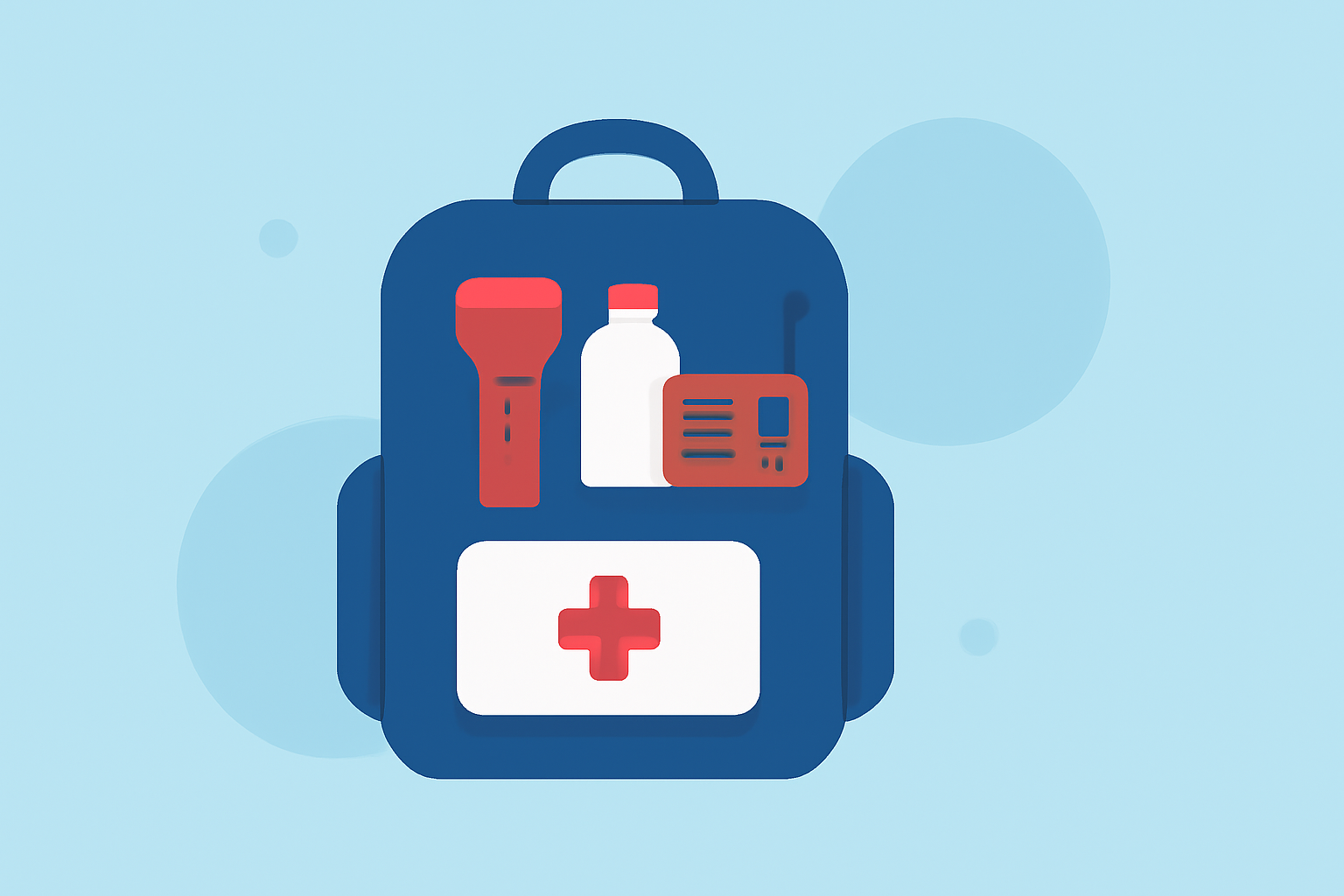
Create a comprehensive weather safety kit that includes essential supplies:
- Non-perishable food and water: Store enough food and water to last at least three days per person.
- First-aid supplies: Include a well-stocked first-aid kit featuring bandages, antiseptics, and any personal medications.
- Flashlights and batteries: Essential for visibility when the power goes out. Make sure to test batteries regularly.
- Whistle and manual can opener: To signal for help and to access canned food easily.
Importance of Staying Informed
Routine monitoring of weather updates is critical:
- NOAA Weather Radio: This provides timely alerts about severe weather conditions in your area. Ensure it has fresh batteries available.
- Mobile alerts: Have multiple methods to receive alerts, such as push notifications on your smartphone.
Maintaining Your Kit
A well-prepared kit requires maintenance:
- Regularly check items for expiration dates and replace as needed, particularly food and medical supplies.
- Ensure all electronic devices, like radios, are in working order with fresh batteries.
Specific Tools for Emergency Preparation
Some practical items to consider beyond the basics:
- Portable phone charger: To keep your communication devices powered.
- Multi-tool or Swiss Army knife: Useful for various situations, from food preparation to minor repairs.
How to Assemble a Weather Safety Kit with Clime
Using Clime effectively can enhance your preparedness:
- Weather Tracking: To view real-time radar and get alerts about severe weather through the app, aiding your decision-making process.
- Interactive Features: Utilize features like animated radar layers and configurable alerts to stay updated on changing weather conditions.
Guidelines from Trusted Sources
Refer to reputable guidelines from organizations like the National Weather Service and FEMA:
- Check out the National Weather Service's safety checklist for detailed information on what to include in your emergency kit.
- Resources like the Indiana Department of Homeland Security offer tailored advice for severe weather preparedness.
Conclusion: What We Recommend
- Prepare a weather safety kit that accounts for basic and specific needs based on local conditions.
- Ensure you have multiple reliable sources for weather alerts, including Clime for real-time updates.
- Regularly review and maintain your kit to ensure that supplies are current and functional.
- Consult local emergency resources for additional safety tips tailored to your area's weather risks.