
Essential Tips for Driving During Tropical Storms
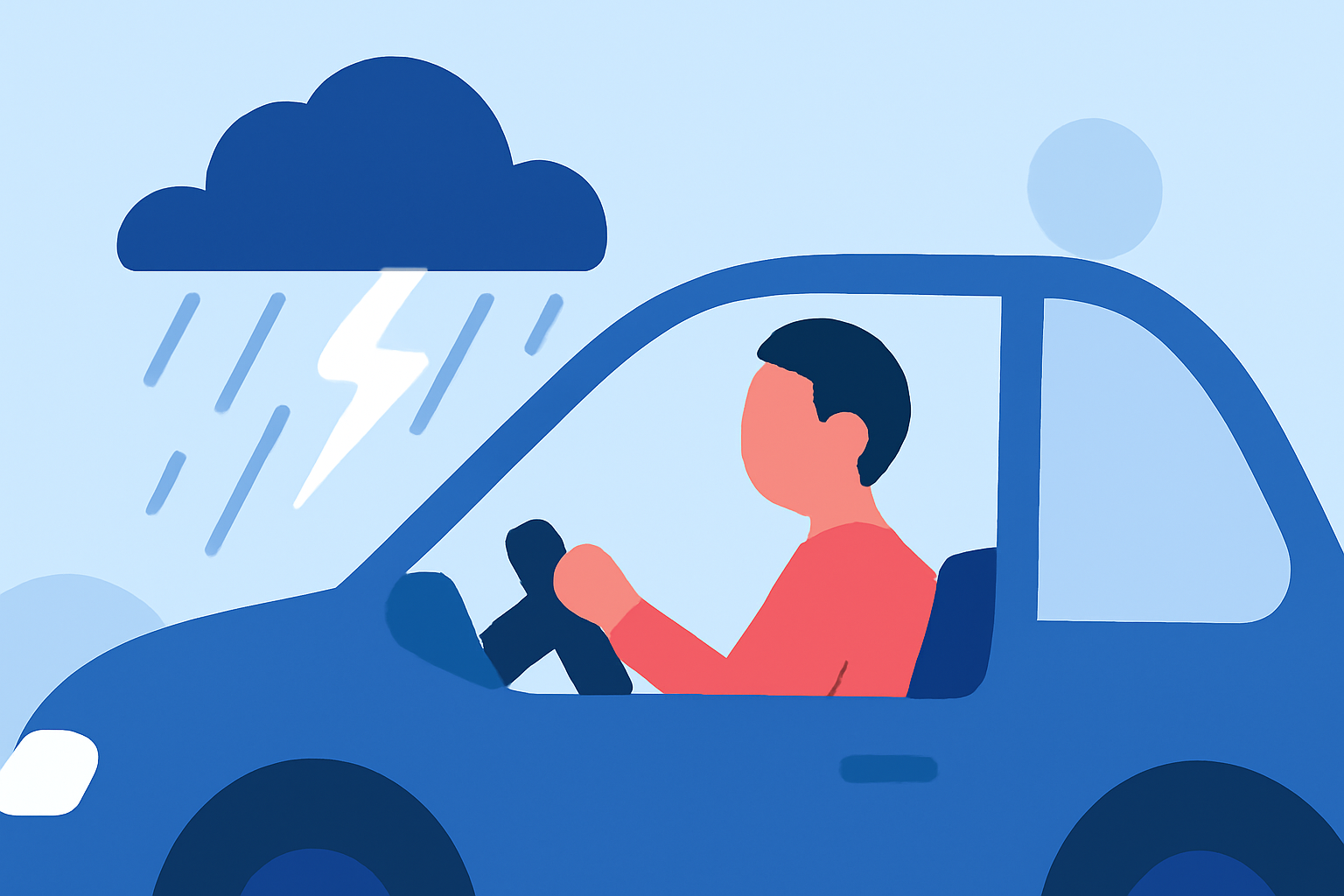
Driving during a tropical storm presents significant challenges due to heavy rainfall, strong winds, and reduced visibility. To ensure your safety and that of others, consider the following guidelines:
1. Should I drive during a tropical storm?
It's advisable to avoid driving during a tropical storm whenever possible. If travel is essential, exercise extreme caution.
2. How can I prepare my vehicle for severe weather?
-
Tires: Ensure tires are properly inflated and have adequate tread depth to maintain traction on wet roads.
-
Windshield Wipers: Replace wiper blades regularly and keep the windshield washer reservoir filled with appropriate fluid.
-
Lights: Verify that all headlights, brake lights, and turn signals are functioning correctly to enhance visibility.
3. What driving techniques should I use in heavy rain?
-
Reduce Speed: Lower your speed to prevent hydroplaning and maintain better control of your vehicle.
-
Increase Following Distance: Maintain a greater distance from the vehicle ahead to allow ample time for stopping.
-
Use Low-Beam Headlights: High beams can reflect off rain and fog, reducing visibility.
4. How do I handle flooded roads?
-
Avoid Flooded Areas: If you encounter flooded roads, turn around and seek an alternative route. It only takes 12 inches of rushing water to carry away most cars, and just two feet can carry away most trucks and SUVs. (nhtsa.gov)
-
Stay Informed: Monitor local weather updates and heed any road closures or evacuation orders.
5. What should I do if my vehicle stalls in floodwaters?
-
Stay Inside: Remain in your vehicle and call emergency services.
-
Avoid Contact with Water: Do not attempt to wade through floodwaters, as they may contain hazards or be deeper than they appear.
6. How can I stay informed about weather conditions?
-
Use Reliable Sources: Access real-time weather updates from trusted sources to make informed decisions about travel.
-
Stay Alert: Pay attention to local news and heed any advisories or warnings issued by authorities.
By adhering to these guidelines, you can enhance your safety and contribute to safer road conditions during tropical storms.
Highlights:
- Driving in Severe Weather | NHTSA
- Hurricane- and Flood-Damaged Vehicles | NHTSA