
Essential Tips for Driving in Sleet Conditions
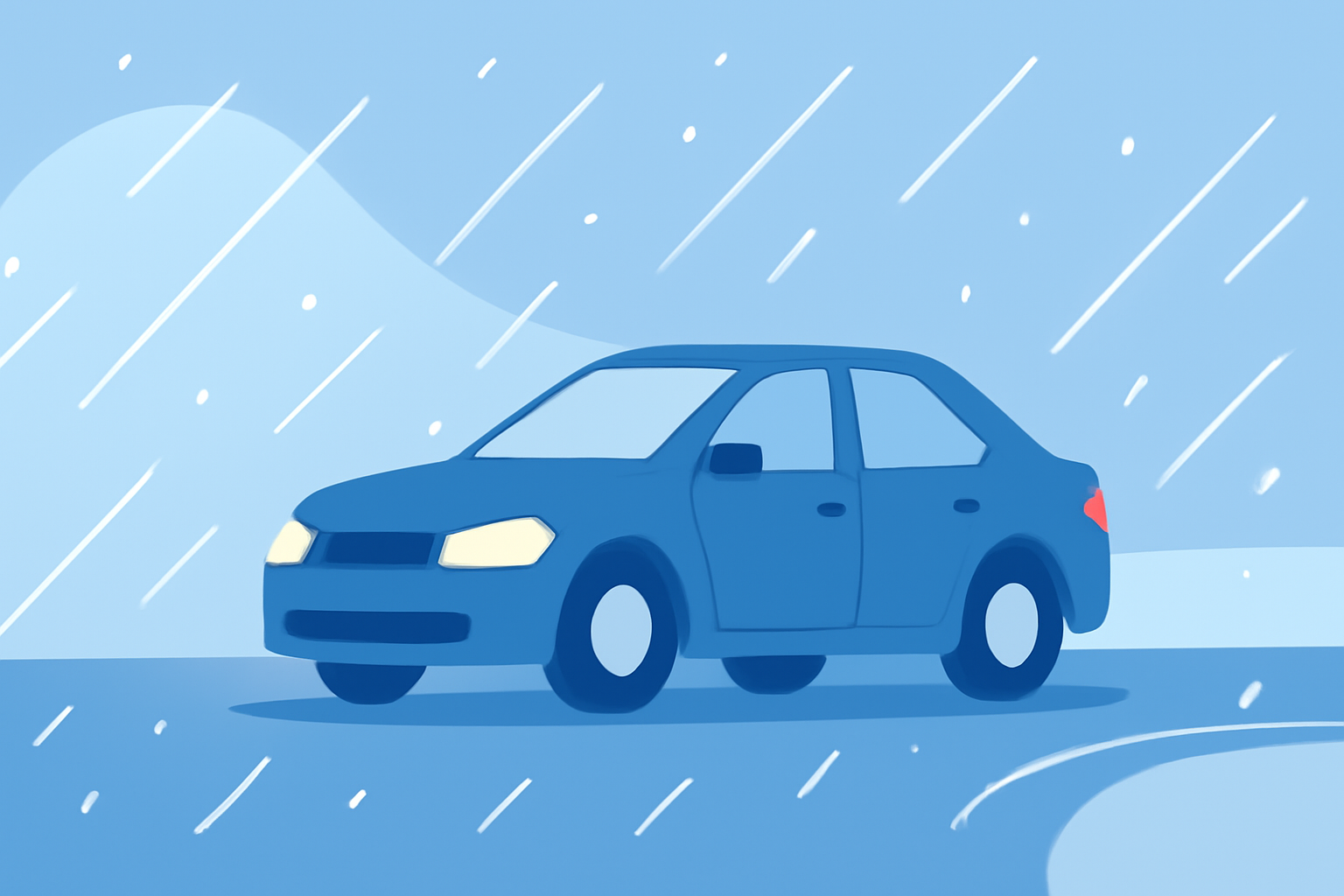
Driving in sleet presents unique challenges that require heightened awareness and caution. Sleet, which consists of small ice pellets, can create slippery and hazardous road conditions. Understanding how to navigate these conditions is crucial for your safety and that of others on the road.
What Is Sleet and How Does It Affect Driving?
Sleet forms when raindrops freeze before reaching the ground, resulting in small ice pellets. These pellets can accumulate on roadways, creating slick surfaces that reduce traction and increase stopping distances. Unlike snow, which provides some friction, sleet can cause vehicles to slide unexpectedly, making control more difficult.
How Can I Prepare My Vehicle for Sleet Conditions?
Proper vehicle preparation is essential for safe driving in sleet:
-
Tires: Ensure your tires have adequate tread depth and are properly inflated. Consider using winter tires designed for cold and slippery conditions.
-
Windshield Wipers and Fluid: Replace wiper blades regularly and keep the windshield washer reservoir filled with appropriate fluid to maintain clear visibility.
-
Battery: Cold temperatures can reduce battery efficiency. Have your battery tested and replace it if it's nearing the end of its lifespan.
What Are the Best Driving Practices During Sleet?
When driving in sleet, adopt the following practices:
-
Reduce Speed: Lower your speed to maintain better control and reduce stopping distances on slippery roads.
-
Increase Following Distance: Allow more space between your vehicle and others to provide ample time to react to sudden stops or changes in traffic conditions.
-
Avoid Cruise Control: Do not use cruise control in slippery conditions, as it can reduce your ability to react quickly to changes in road traction.
-
Use Low Beams: High beams can reflect off the sleet, reducing visibility. Use low beams to improve your ability to see and be seen.
-
Stay Alert: Continuously monitor road conditions and be prepared to adjust your driving as needed. Be especially cautious on bridges and overpasses, which can freeze more quickly than other road surfaces.
What Should I Do If My Vehicle Begins to Skid?
If your vehicle starts to skid on sleet-covered roads:
-
Stay Calm: Avoid panicking, as sudden movements can worsen the skid.
-
Steer in the Direction of the Skid: Gently turn the steering wheel in the direction you want the front of the vehicle to go.
-
Avoid Sudden Braking: Apply brakes gently if necessary. If your vehicle has anti-lock brakes (ABS), apply steady pressure to the brake pedal without pumping.
How Can I Stay Informed About Sleet Conditions?
Stay updated on weather conditions by:
-
Monitoring Local Weather Reports: Regularly check forecasts for sleet warnings and advisories.
-
Using Reliable Weather Apps: Utilize weather applications that provide real-time updates on road conditions and weather alerts.
-
Listening to Local Authorities: Pay attention to guidance from local transportation departments and emergency services regarding road conditions and closures.
What Are the Risks of Driving in Sleet?
Driving in sleet increases the risk of:
-
Reduced Visibility: Sleet can obscure your view of the road and other vehicles.
-
Slippery Roads: Accumulated sleet creates slick surfaces, leading to potential loss of control.
-
Increased Stopping Distances: It takes longer to stop on icy roads, increasing the likelihood of collisions.
How Can I Ensure My Safety During Sleet Conditions?
To enhance your safety:
-
Limit Travel: If possible, avoid driving during sleet conditions. If travel is necessary, plan your route carefully and inform someone of your itinerary.
-
Carry an Emergency Kit: Equip your vehicle with essentials such as a flashlight, blanket, non-perishable food, water, and a first aid kit.
-
Keep Your Phone Charged: Ensure your mobile device is fully charged and have a car charger available in case of emergencies.
By understanding the nature of sleet and implementing these safety measures, you can significantly reduce the risks associated with driving in these conditions. Always prioritize safety and exercise caution when faced with winter weather challenges.
(nhtsa.gov)