
Essential Tips for Outdoor Enthusiasts to Safely Navigate Ice Accumulation
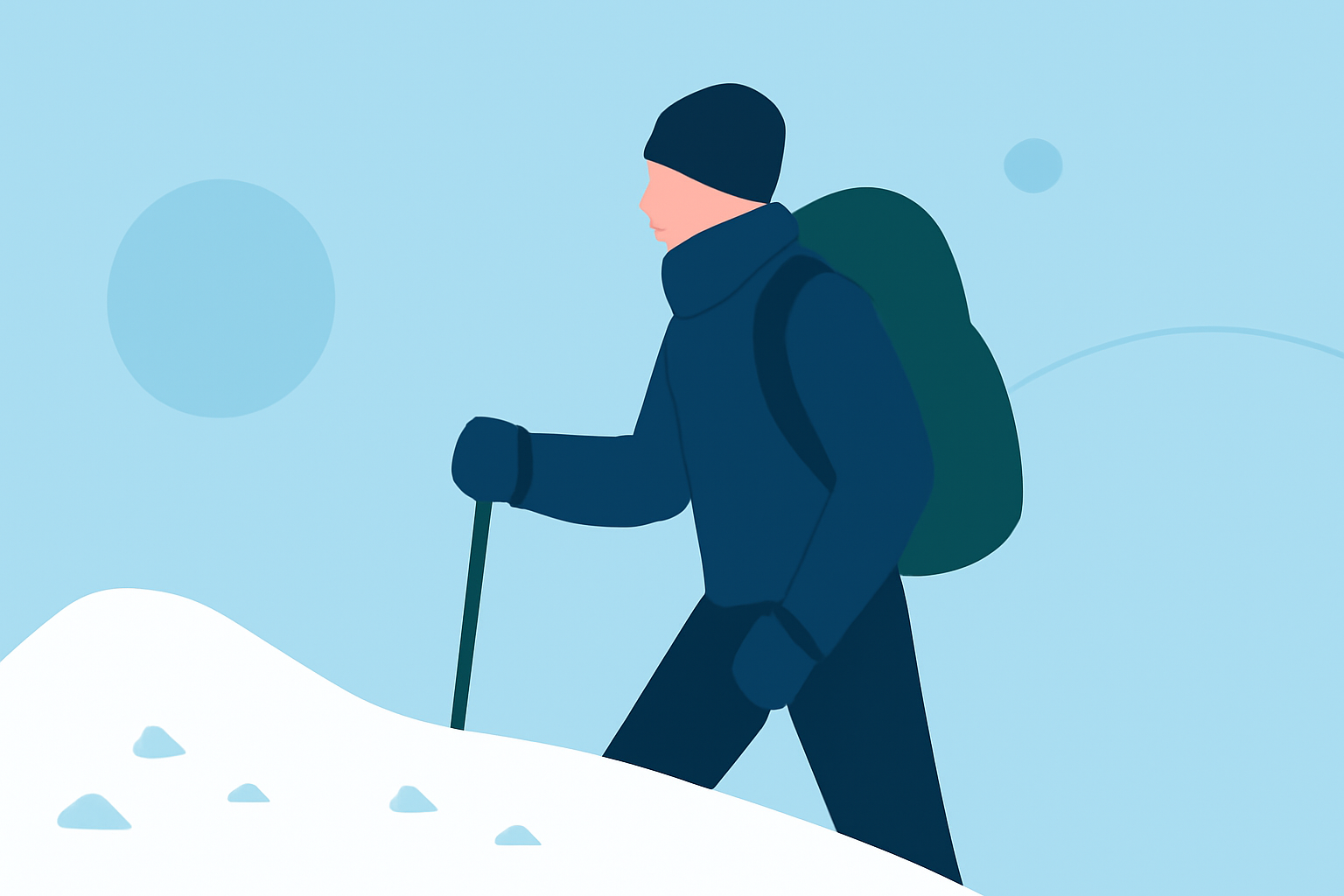
Ice accumulation poses significant risks to outdoor enthusiasts, making it crucial to understand how to navigate and prepare for icy conditions. Whether you're hiking, ice fishing, or engaging in other winter activities, these guidelines will help ensure your safety.
1. How Can I Safely Hike on Icy Trails?
Hiking on ice requires careful preparation and the right equipment:
-
Check the Weather Forecast: Before heading out, review the current conditions and upcoming forecasts for your hiking area. Understanding temperature trends can help you anticipate ice formation or melting. (ucihealth.org)
-
Use Appropriate Traction Devices: For trails below the treeline, traction devices like MICROspikes can provide stability. Above the treeline, crampons are more suitable due to thicker ice. Always test the ice with your trekking poles before proceeding. (outdoors.org)
-
Dress in Layers: Wear moisture-wicking base layers, insulating mid-layers, and waterproof outer layers to adapt to changing conditions. Avoid cotton, as it retains moisture and can lead to hypothermia. (ucihealth.org)
2. What Are the Safety Guidelines for Ice Fishing?
Ice fishing demands specific precautions to ensure safety:
-
Assess Ice Thickness: Clear blue ice is the safest. A minimum of 4 inches is recommended for walking, while 6 inches is suitable for snowmobiles or ATVs. Always measure ice thickness at multiple points. (outdoorsgeek.com)
-
Avoid Weak Spots: Stay clear of areas near inlets, outlets, and narrows, as underwater currents can weaken the ice. Cracks, especially those filled with water, are also hazardous. (backpacker.com)
-
Carry Safety Equipment: Equip yourself with ice picks, a rope, and a flotation device. These tools can assist in self-rescue or aiding others if someone falls through the ice. (outdoorsgeek.com)
3. How Do I Interpret Avalanche Forecasts?
Understanding avalanche forecasts is vital for backcountry safety:
-
Check the Avalanche Forecast: Before venturing into avalanche-prone areas, consult the official avalanche forecast for your region. This will provide information on current conditions, danger levels, and specific areas to avoid. (onxmaps.com)
-
Recognize Red Flags: Be aware of signs indicating increased avalanche risk, such as recent avalanches, collapsing or cracking snow, rapid temperature rises, and strong winds. If you observe these signs, reconsider your plans and opt for safer terrain. (onxmaps.com)
4. What Are the Safe Ice Thickness Guidelines for Walking and Driving?
Determining safe ice thickness is crucial for various activities:
-
Walking: A minimum of 4 inches of clear blue ice is considered safe for walking. Always measure ice thickness at multiple points, as conditions can vary. (acurite.com)
-
Snowmobiles or ATVs: 6 inches of clear blue ice is recommended for snowmobiles or ATVs. Ensure to check ice thickness regularly and avoid areas with visible cracks or water. (acurite.com)
5. How Can I Safely Cross a Frozen Lake?
Crossing a frozen lake requires meticulous planning:
-
Assess Ice Conditions: Clear blue ice is the safest. Avoid areas with white or milky ice, as they are weaker. Measure ice thickness at multiple points, ensuring a minimum of 4 inches for walking. (backpacker.com)
-
Tread Lightly: Distribute your weight by wearing skis or snowshoes. Maintain a safe distance from others to reduce the risk of multiple people falling through. (backpacker.com)
-
Carry Safety Equipment: Equip yourself with ice picks, a rope, and a flotation device. These tools can assist in self-rescue or aiding others if someone falls through the ice. (backpacker.com)
6. How Do I Read an Avalanche Forecast?
Interpreting avalanche forecasts is essential for backcountry safety:
-
Check the Avalanche Forecast: Before venturing into avalanche-prone areas, consult the official avalanche forecast for your region. This will provide information on current conditions, danger levels, and specific areas to avoid. (advnture.com)
-
Understand the Hazard Level: Avalanche forecasts typically include a danger rating, which indicates the likelihood of avalanches occurring. A higher rating suggests a greater risk. (advnture.com)
-
Read the Details: Forecasts provide information on specific avalanche problems, such as wind slabs or persistent slabs, and the areas where they are most likely to occur. Use this information to plan your route and avoid high-risk zones. (advnture.com)
By adhering to these guidelines and staying informed, outdoor enthusiasts can navigate icy conditions more safely and enjoy their activities with greater confidence.