
Essential Tips for Pet Owners in Desert Climates
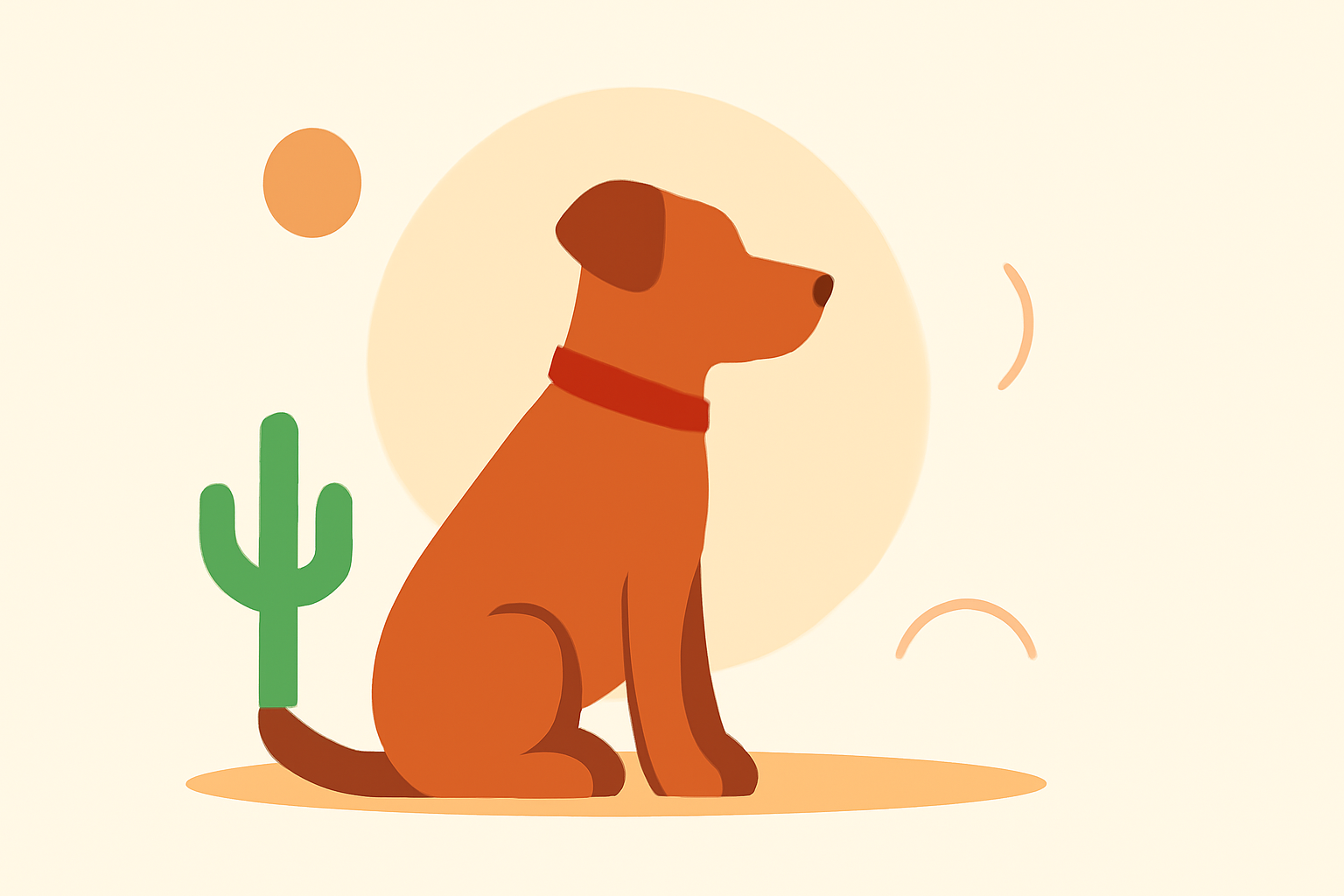
Living in a desert climate presents unique challenges for pet owners. Understanding these challenges and implementing appropriate care strategies can ensure your pets remain healthy and comfortable.
How Can I Protect My Pet from Extreme Heat?
Desert regions are characterized by high temperatures, especially during summer months. To safeguard your pet:
-
Provide Shade and Shelter: Ensure your pet has access to shaded areas or air-conditioned spaces to escape the heat. (sonoranskypethospital.com)
-
Limit Outdoor Activities: Schedule walks and playtime during cooler parts of the day, such as early morning or late evening. (sonoranskypethospital.com)
-
Use Cooling Products: Consider using cooling vests or mats designed for pets to help regulate their body temperature. (desertpawswellness.com)
How Do I Keep My Pet Hydrated in Dry Conditions?
Dehydration is a significant risk in arid climates. To maintain proper hydration:
-
Provide Fresh Water: Always have clean, cool water available for your pet, both indoors and outdoors. (ridgelinevetclinic.com)
-
Monitor Water Intake: Encourage your pet to drink regularly, especially after exercise or during hot weather.
-
Recognize Signs of Dehydration: Be alert to symptoms like excessive panting, dry gums, or lethargy, and seek veterinary care if they occur. (ridgelinevetclinic.com)
What Are the Risks of Hot Pavement for My Pet's Paws?
Hot surfaces can cause serious injuries to your pet's paws. To protect them:
-
Check Surface Temperature: Before walking, place your hand on the pavement; if it's too hot for you, it's too hot for your pet. (desertusa.com)
-
Use Protective Gear: Consider pet booties to shield paws from hot surfaces. (desertusa.com)
-
Walk on Grass: Whenever possible, choose grassy areas for walks to minimize paw exposure to heat.
How Can I Safeguard My Pet from Desert Wildlife?
Desert environments are home to various wildlife that can pose risks to pets. To protect your pet:
-
Supervise Outdoor Time: Always keep your pet on a leash or within a secure area to prevent encounters with wildlife. (afjrd.org)
-
Educate Yourself: Learn about local wildlife species and their behaviors to anticipate potential risks.
-
Secure Your Home: Ensure that your yard is enclosed and that there are no gaps where wildlife can enter.
What Are the Best Practices for Grooming Pets in Desert Climates?
Proper grooming helps maintain your pet's comfort and health in hot, dry conditions. Consider the following:
-
Regular Brushing: Remove loose fur and prevent matting, which can trap heat. (ridgelinevetclinic.com)
-
Avoid Overbathing: Bathing too frequently can strip natural oils from the skin; aim for every 4-6 weeks. (arzona.seesaa.net)
-
Protect Sensitive Areas: Use pet-safe sunscreen on exposed skin areas to prevent sunburn.
How Can I Prevent My Pet from Getting Lost in the Desert?
The vastness of desert landscapes increases the risk of pets becoming lost. To prevent this:
-
Use Identification: Ensure your pet has a collar with an ID tag and is microchipped.
-
Stay Within Boundaries: Keep your pet within a secure, enclosed area when outdoors.
-
Train Recall Commands: Teach your pet to respond reliably to recall commands to prevent them from wandering off.
By understanding and addressing the unique challenges of desert climates, you can provide a safe and comfortable environment for your pet.
Highlights:
- Desert Pet Hydration Tips for May in Cathedral City | Ridgel, Published on Tuesday, May 199,turn0search11