
Essential Tips for Safe Mountain Driving: A Beginner's Guide
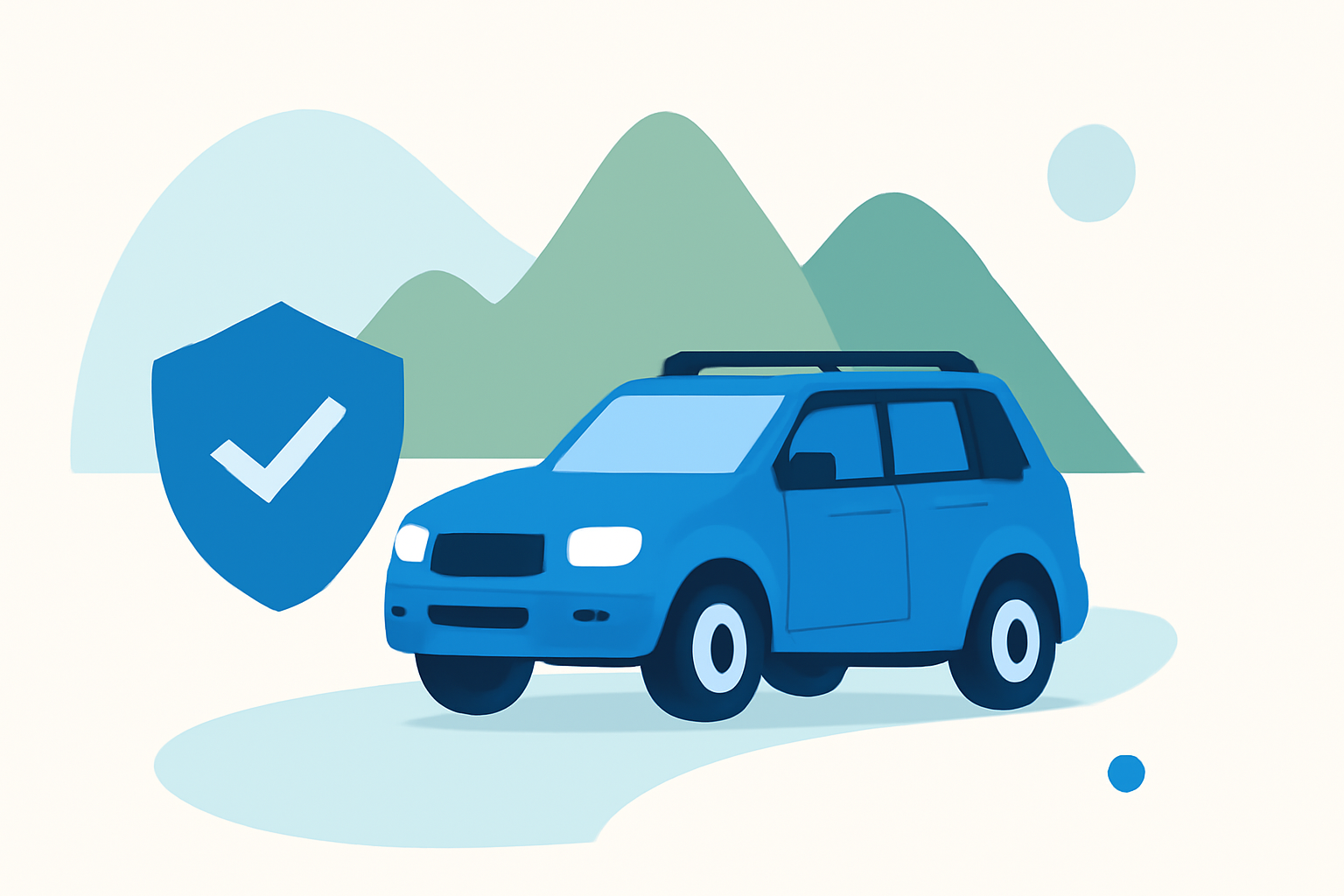
Driving through mountainous regions offers breathtaking views but also presents unique challenges. Understanding these challenges and preparing accordingly can ensure a safer journey.
1. How Should I Prepare My Vehicle for Mountain Driving?
Before embarking on a mountain trip, ensure your vehicle is in optimal condition:
-
Braking System: Test brakes and check fluid levels to confirm they are functioning properly.
-
Tires: Inspect tires for adequate tread depth and proper inflation.
-
Cooling System: Verify that the radiator and cooling system are working efficiently to prevent overheating.
-
Emergency Supplies: Carry essentials like a spare tire, jack, flashlight, first aid kit, and non-perishable food.
2. What Are the Key Driving Techniques for Mountain Roads?
Navigating mountain roads requires specific driving skills:
-
Uphill Driving: Shift to a lower gear before ascending to maintain a consistent speed and reduce engine strain.
-
Downhill Driving: Use engine braking by shifting to a lower gear to control speed without overusing the brakes, which can lead to overheating.
-
Curves and Turns: Slow down before entering curves, especially those with limited visibility. Use your horn to alert oncoming traffic if necessary.
3. How Can I Manage Weather and Road Conditions Effectively?
Mountain weather can be unpredictable, affecting road conditions:
-
Weather Monitoring: Check weather forecasts for the area to anticipate conditions like rain, snow, or fog.
-
Road Hazards: Be alert for sudden changes in road conditions, such as ice patches or rockslides, and adjust driving accordingly.
-
Visibility: Use headlights in low-visibility conditions and maintain a safe following distance.
4. What Should I Do if I Encounter Steep Grades or Sharp Curves?
Steep grades and sharp curves require cautious driving:
-
Speed Control: Adhere to posted speed limits and adjust speed to match road conditions.
-
Passing: Avoid passing on blind curves or steep grades where visibility is limited.
-
Pull-Out Etiquette: If slower traffic is behind you, find a safe place to pull over and let them pass to prevent unsafe passing attempts.
5. How Can I Ensure My Safety During Emergencies?
Being prepared for emergencies is crucial:
-
Emergency Stops: If your vehicle overheats, pull over safely and allow it to cool down before continuing.
-
Runaway Ramps: In case of brake failure, use designated runaway ramps designed to stop vehicles safely.
-
Communication: Inform someone of your travel plans and expected arrival time, especially when traveling through remote areas.
By following these guidelines, you can navigate mountain roads with confidence and safety.