
Essential Tips for Safe Outdoor Barbecues with Your Pets
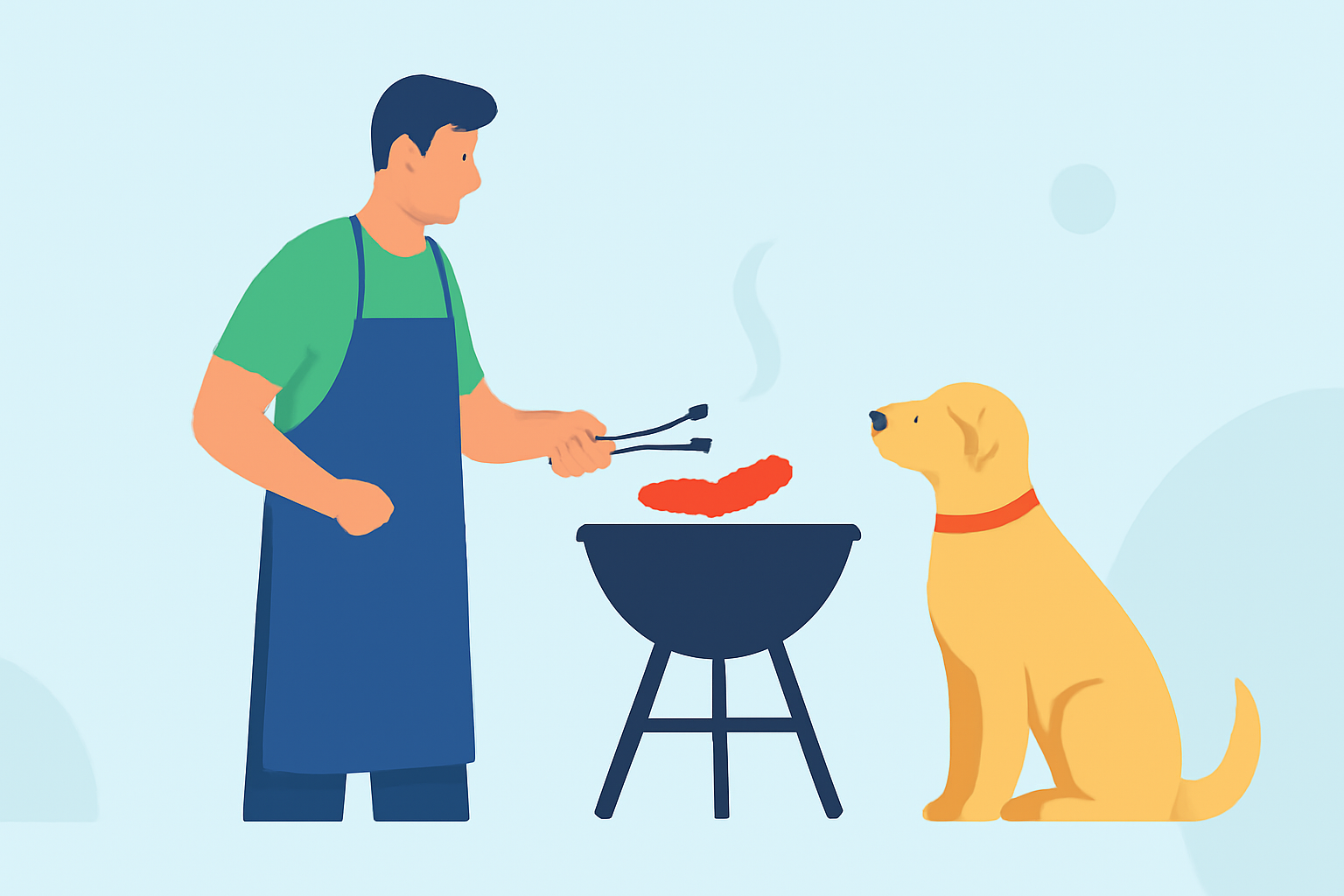
Hosting an outdoor barbecue is a delightful way to enjoy good food and company. However, it's crucial to consider your pets' safety amidst the festivities. By implementing a few precautions, you can ensure a fun and hazard-free environment for your furry friends.
1. Why Should Pets Be Kept Away from the Grill?
Pets are naturally curious and may be attracted to the enticing smells of cooking food. Approaching the grill can expose them to serious burns from hot surfaces or open flames. Additionally, smoke from the grill can irritate their respiratory systems. To prevent accidents, maintain a safe distance between your pets and the grilling area. (petmd.com)
2. What Foods Are Harmful to Pets During Barbecues?
Certain foods commonly found at barbecues can be toxic to pets. Onions, garlic, grapes, raisins, chocolate, and alcohol are among the most dangerous. Even small amounts can lead to severe health issues. To keep your pets safe, avoid sharing these foods with them and ensure they don't have access to leftovers or trash containing these items. (akc.org)
3. How Can You Prevent Pets from Accessing Harmful Foods?
To minimize the risk of your pets ingesting harmful substances, implement the following measures:
-
Secure Food and Trash: Keep food dishes covered and store trash in pet-proof containers to prevent scavenging.
-
Designate Pet-Free Zones: Establish areas where pets are not allowed, especially near the grill and dining areas.
-
Educate Guests: Inform visitors not to feed your pets, as they may unknowingly offer harmful foods. (petmd.com)
4. What Are the Risks of Pets Ingesting Harmful Foods?
Ingesting toxic foods can lead to various health problems in pets, including:
-
Gastrointestinal Issues: Vomiting, diarrhea, and abdominal pain.
-
Neurological Symptoms: Lethargy, tremors, or seizures.
-
Organ Damage: Damage to the liver, kidneys, or other vital organs.
If you suspect your pet has consumed something harmful, contact your veterinarian or the Pet Poison Helpline immediately. (petmd.com)
5. How Can You Safely Dispose of Barbecue Waste?
Proper disposal of barbecue waste is essential to prevent pets from accessing harmful substances:
-
Clean Thoroughly: After cooking, clean the grill and surrounding area to remove food residues and grease.
-
Secure Disposal: Place used charcoal, skewers, and other debris in sealed, pet-proof containers.
-
Monitor Trash: Ensure that trash bins are secure and inaccessible to pets. (petplan.co.uk)
6. What Are the Signs of Heatstroke in Pets?
During outdoor events, pets can be susceptible to heat-related illnesses. Signs of heatstroke include excessive panting, drooling, vomiting, diarrhea, lethargy, and confusion. To prevent heatstroke:
-
Provide Shade and Water: Ensure your pets have access to shaded areas and fresh water at all times.
-
Limit Activity: Avoid vigorous play during peak heat hours.
-
Monitor Temperature: Be mindful of the weather conditions and adjust your plans accordingly. (akc.org)
7. How Can You Create a Safe Environment for Pets During Barbecues?
To ensure your pets' safety during outdoor gatherings:
-
Supervise Pets: Always keep an eye on your pets, especially when guests are present.
-
Provide a Quiet Space: Offer a designated area where pets can retreat if they feel overwhelmed.
-
Secure the Perimeter: Check that gates and fences are secure to prevent escapes. (akc.org)
By following these guidelines, you can enjoy a safe and enjoyable barbecue while keeping your pets protected from potential hazards.
Highlights:
- US Open Weather 2026: Day-By-Day Forecast For Shinnecock Hills, Published on Monday, June 15