
Essential Tips for Safe Pet Walks in Various Weather Conditions
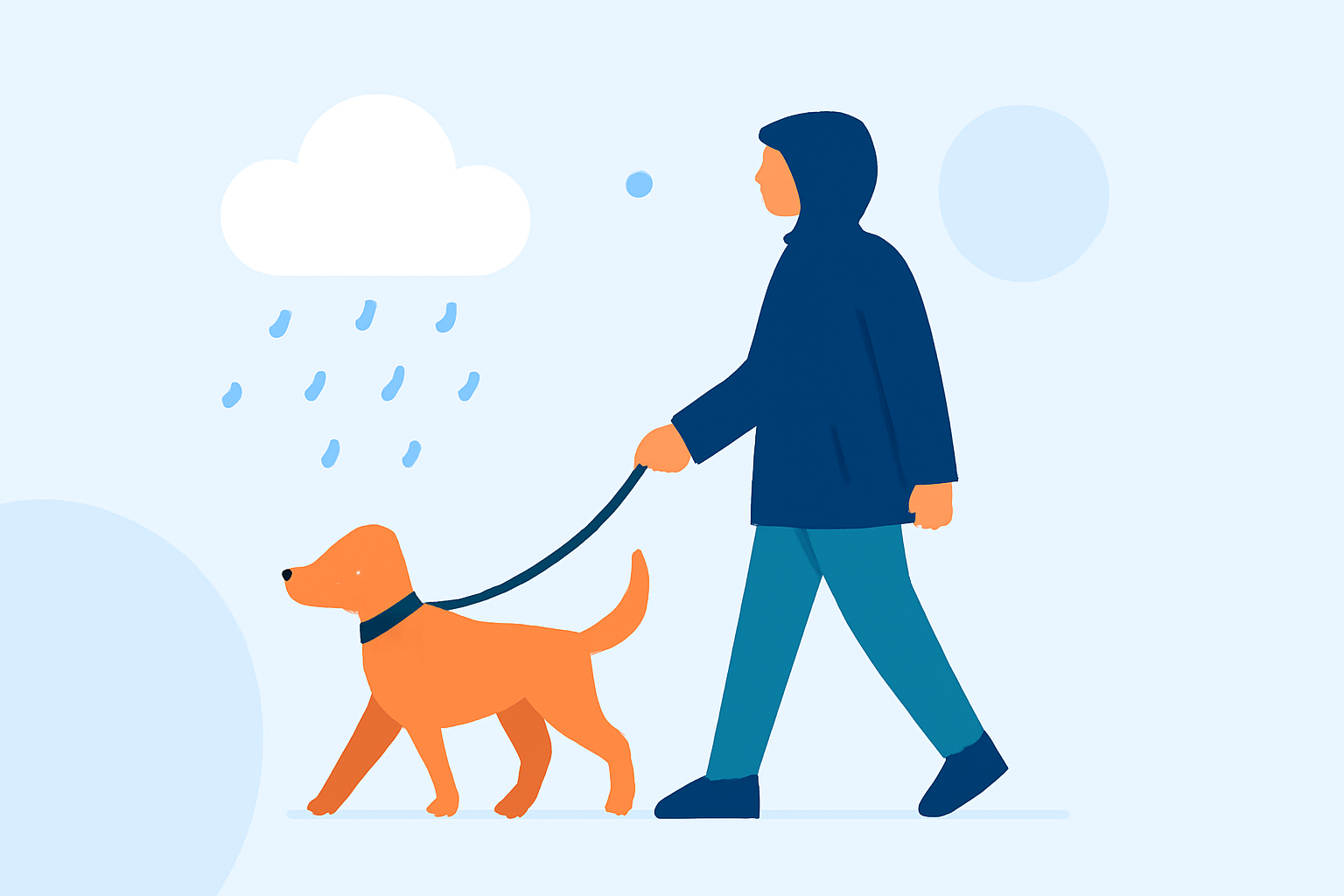
Walking your pet is a delightful way to bond and keep them healthy. However, various weather conditions can pose risks to your furry friend. Understanding these risks and taking appropriate precautions can ensure safe and enjoyable walks year-round.
1. How Does Hot Weather Affect Pet Walks?
Hot temperatures can lead to overheating and paw pad burns. To protect your pet:
-
Choose Cooler Times: Walk your pet during early morning or late evening hours when temperatures are lower.
-
Check Pavement Temperature: Before walking, place the back of your hand on the pavement for five seconds. If it's too hot for you, it's too hot for your pet's paws. (petmd.com)
-
Stay Hydrated: Always carry water for both you and your pet, offering them regular water breaks. (chewy.com)
2. What Are the Risks of Walking Pets in the Rain?
Rainy conditions can introduce several hazards:
-
Reduced Visibility: Heavy rain can decrease visibility, increasing the risk of accidents.
-
Puddles and Contaminants: Puddles may contain harmful bacteria or toxins. Prevent your pet from drinking or playing in them. (petmd.com)
-
Thunderstorms: Loud noises can cause anxiety in pets. If possible, avoid walks during storms.
3. How Does Cold Weather Impact Pet Walks?
Cold temperatures can be challenging:
-
Hypothermia Risk: Short-haired or small breeds are susceptible to cold. Consider using a pet sweater or coat. (greatpetcare.com)
-
Paw Care: Salt and ice can irritate paws. After walks, clean and dry your pet's paws thoroughly.
-
Shorten Walks: Limit walk duration to prevent cold-related illnesses.
4. How Can I Safely Walk My Pet in Extreme Weather?
Regardless of the weather:
-
Monitor Your Pet: Watch for signs of distress, such as excessive panting, shivering, or lethargy.
-
Use Proper Gear: Invest in weather-appropriate gear for both you and your pet.
-
Stay Informed: Check local weather forecasts before heading out.
5. What Are the Signs That My Pet Is Overheating or Cold?
Be vigilant for these symptoms:
-
Overheating: Excessive panting, drooling, red gums, vomiting, or diarrhea.
-
Cold Stress: Shivering, lethargy, or seeking warm places.
If you notice any of these signs, seek veterinary care immediately.
By staying informed and prepared, you can ensure that your pet enjoys safe and comfortable walks, regardless of the weather conditions.