
Essential Tips for Winter Hiking During Storms
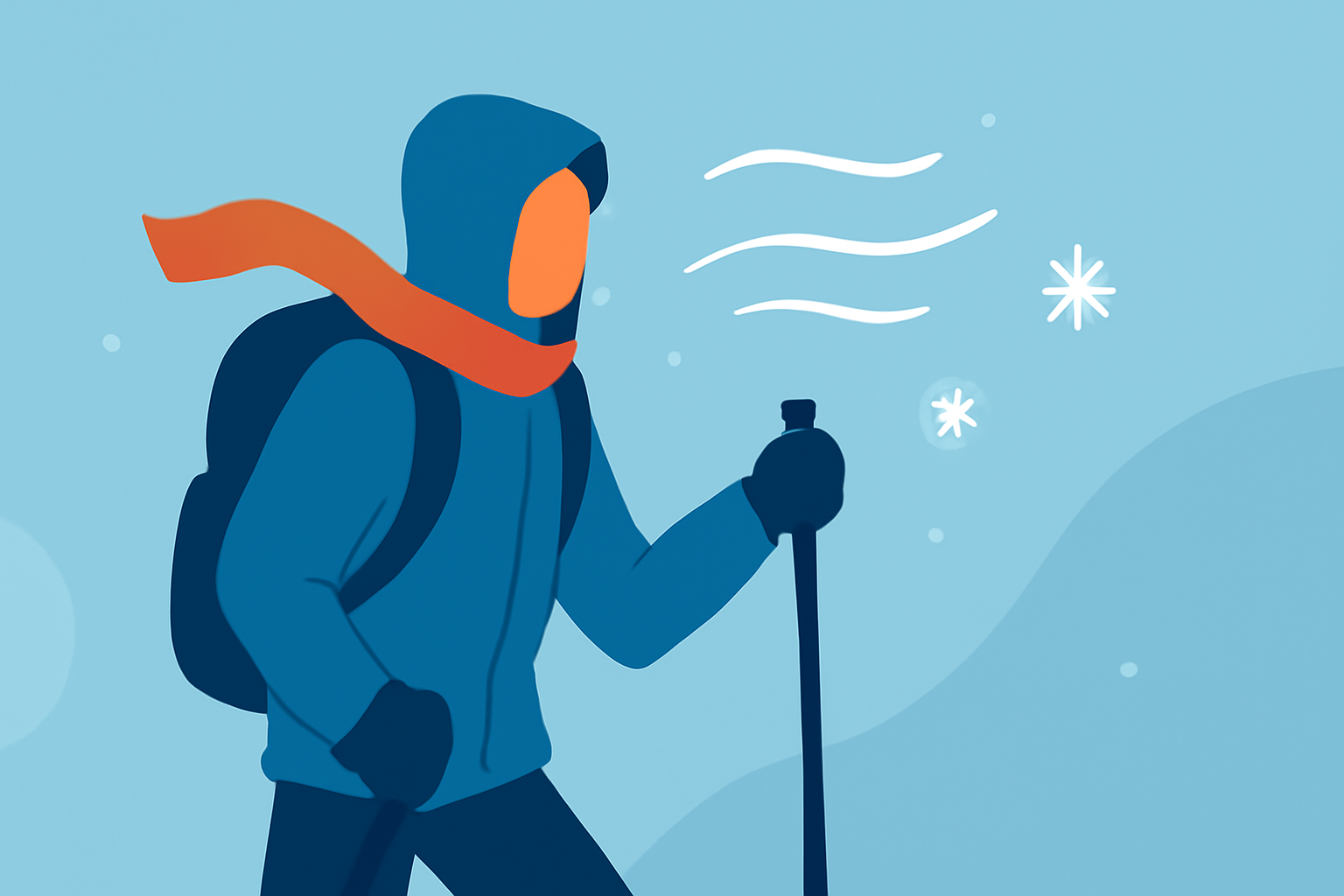
Winter hiking offers serene landscapes and unique challenges. When storms approach, proper preparation is crucial to ensure safety.
1. How Should I Prepare for Winter Hiking During Storms?
-
Check the Weather Forecast: Always review the latest weather updates before heading out. Storms can develop rapidly, especially in mountainous regions. (nps.gov)
-
Plan Your Route: Choose trails suitable for winter conditions and be aware of potential hazards like ice or deep snow. (nps.gov)
-
Inform Someone of Your Plans: Share your itinerary and expected return time with a friend or family member. This ensures someone knows your whereabouts in case of emergencies. (home.nps.gov)
2. What Gear Is Essential for Winter Hiking?
-
Appropriate Clothing: Dress in layers to adjust to changing temperatures. Opt for moisture-wicking base layers, insulating mid-layers, and waterproof, windproof outer layers. (nps.gov)
-
Traction Devices: Equip your boots with crampons or microspikes to navigate icy trails safely. (nps.gov)
-
Navigation Tools: Carry a map and compass, as GPS signals can be unreliable in remote areas. (nps.gov)
-
Emergency Supplies: Pack a first aid kit, headlamp with extra batteries, whistle, and a multi-tool. (nps.gov)
3. How Can I Stay Safe During a Winter Storm While Hiking?
-
Monitor Weather Changes: Be vigilant for signs of incoming storms, such as sudden temperature drops, increased wind, or darkening skies. (nps.gov)
-
Seek Shelter Promptly: If a storm hits, find shelter immediately. Avoid open areas and seek cover in sturdy structures or vehicles. (nps.gov)
-
Avoid Risky Areas: Stay away from exposed ridges, tall trees, and bodies of water, as these can be hazardous during storms. (nps.gov)
4. What Are the Signs of Hypothermia, and How Can I Prevent It?
-
Recognize Symptoms: Shivering, confusion, slurred speech, and fatigue are common signs of hypothermia. (nps.gov)
-
Preventive Measures: Dress in layers, stay dry, and consume high-energy foods to maintain body heat. (nps.gov)
5. How Do I Navigate Trails Covered with Snow and Ice?
-
Use Proper Footwear: Wear waterproof boots with good insulation and gaiters to keep snow out. (nps.gov)
-
Stay on Marked Trails: Avoid creating new paths to prevent damaging the environment and to stay on safe routes. (nps.gov)
-
Be Aware of Avalanches: Check avalanche forecasts and avoid steep slopes during winter storms. (nps.gov)
By adhering to these guidelines, you can enjoy the beauty of winter hiking while minimizing risks associated with storms.