
Essential Weather Considerations for Bonsai Care
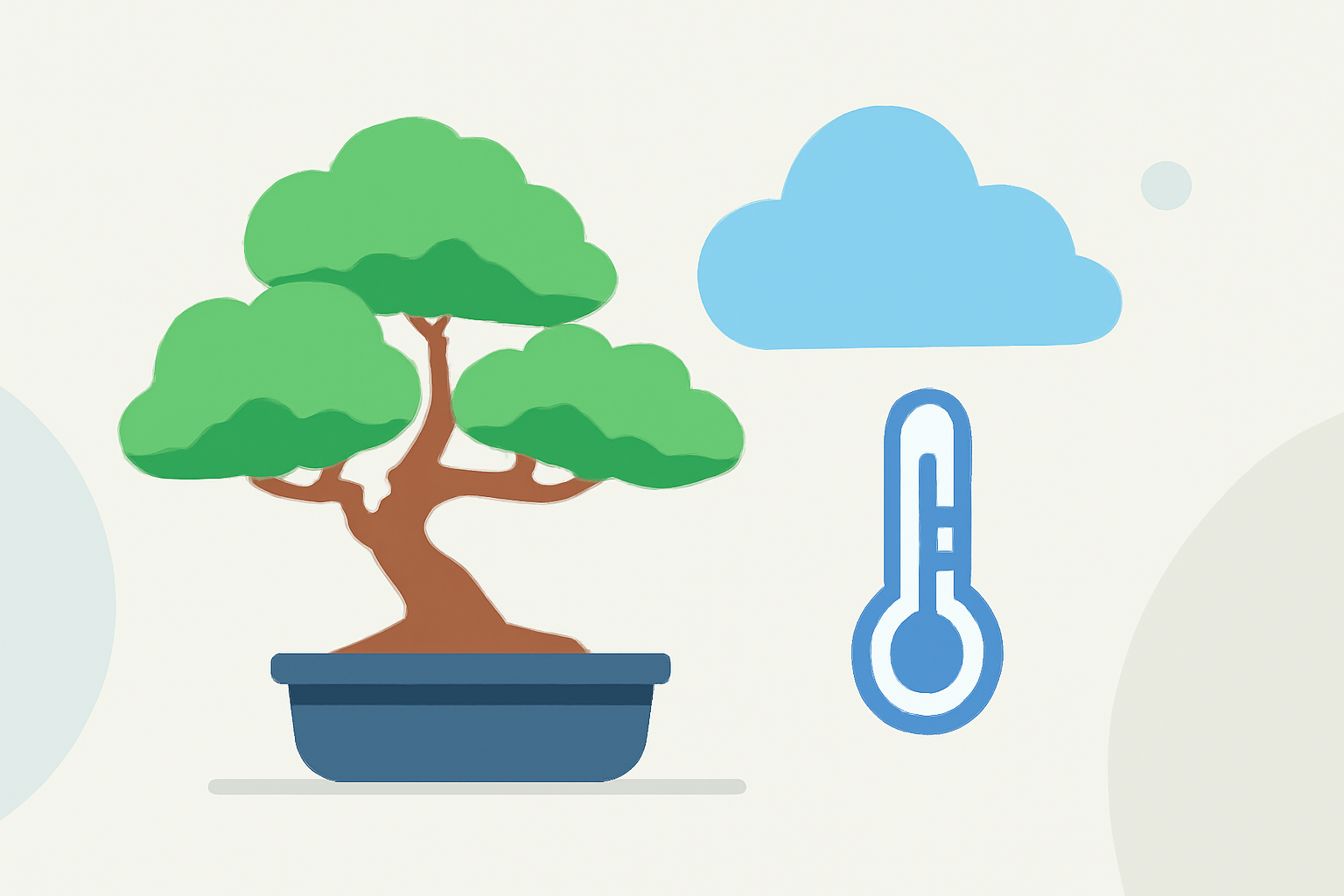
Caring for a bonsai tree involves understanding how various weather conditions affect its health and growth. Whether you're a novice or looking to refine your bonsai care, adapting to your local climate is crucial.
How Does Weather Affect Bonsai Trees?
Bonsai trees, though miniature, are full-sized trees cultivated in shallow containers. They require specific conditions to thrive, and weather plays a significant role in their well-being. Factors such as temperature, humidity, and sunlight exposure directly influence their growth patterns and overall health.
What Are the Ideal Temperature Ranges for Bonsai?
Most bonsai species have preferred temperature ranges:
-
Tropical Species: These thrive in temperatures between 65°F and 75°F (18°C to 24°C).
-
Temperate Species: They prefer a range of 50°F to 70°F (10°C to 21°C).
Extreme temperatures can stress the tree, leading to leaf drop or stunted growth. It's essential to monitor local weather forecasts to protect your bonsai during temperature extremes.
How Does Humidity Impact Bonsai Health?
Humidity levels are vital for bonsai trees, especially indoor varieties:
-
Indoor Bonsai: They often require higher humidity levels. Placing a humidity tray filled with water and pebbles beneath the bonsai pot can help maintain moisture. Misting the leaves 1-2 times daily, except during blooming periods, can also be beneficial. (plantlyze.com)
-
Outdoor Bonsai: They naturally adapt to the ambient humidity of their environment.
What Role Does Sunlight Play in Bonsai Care?
Sunlight is crucial for photosynthesis and overall health:
-
Indoor Bonsai: Place them near a south-facing window to ensure they receive adequate light. However, be cautious of drafts or heating vents that can dry out the air. (bonsainw.com)
-
Outdoor Bonsai: Most temperate species thrive outdoors year-round, benefiting from natural sunlight.
How Should I Adjust Care During Seasonal Changes?
Seasonal transitions require specific care adjustments:
-
Spring and Summer: During active growth, ensure consistent watering and consider repotting to refresh the soil. Regular pruning helps maintain shape and encourages branching. (gertens.com)
-
Fall and Winter: Many bonsai species enter dormancy. Reduce watering and avoid fertilizing during this period. For outdoor species, ensure they experience a dormancy period at temperatures between 33°F and 40°F (1°C to 4°C). (gertens.com)
How Can I Protect My Bonsai from Extreme Weather?
Protecting your bonsai during adverse weather conditions is essential:
-
Cold Weather: For outdoor bonsai, place them in a sheltered location or use a cold frame to shield them from freezing temperatures.
-
Hot Weather: Ensure indoor bonsai are not exposed to direct sunlight through windows, which can cause overheating.
-
Wind: Strong winds can dry out the soil quickly. Position your bonsai in a location protected from strong gusts.
How Do I Monitor and Adapt to Local Weather Conditions?
Staying informed about local weather patterns helps in proactive care:
-
Regular Monitoring: Check local weather forecasts to anticipate temperature fluctuations and adjust care routines accordingly.
-
Adaptation: Be prepared to move your bonsai indoors during extreme weather or adjust watering schedules based on humidity levels.
By understanding and adapting to the weather conditions in your area, you can ensure your bonsai remains healthy and vibrant throughout the year.
Highlights:
- 5 Stunning Flowering Bonsai Trees That Even Beginners Can Grow, Published on Sunday, May 24