
Essential Weather Safety Tips for Hiking Travelers
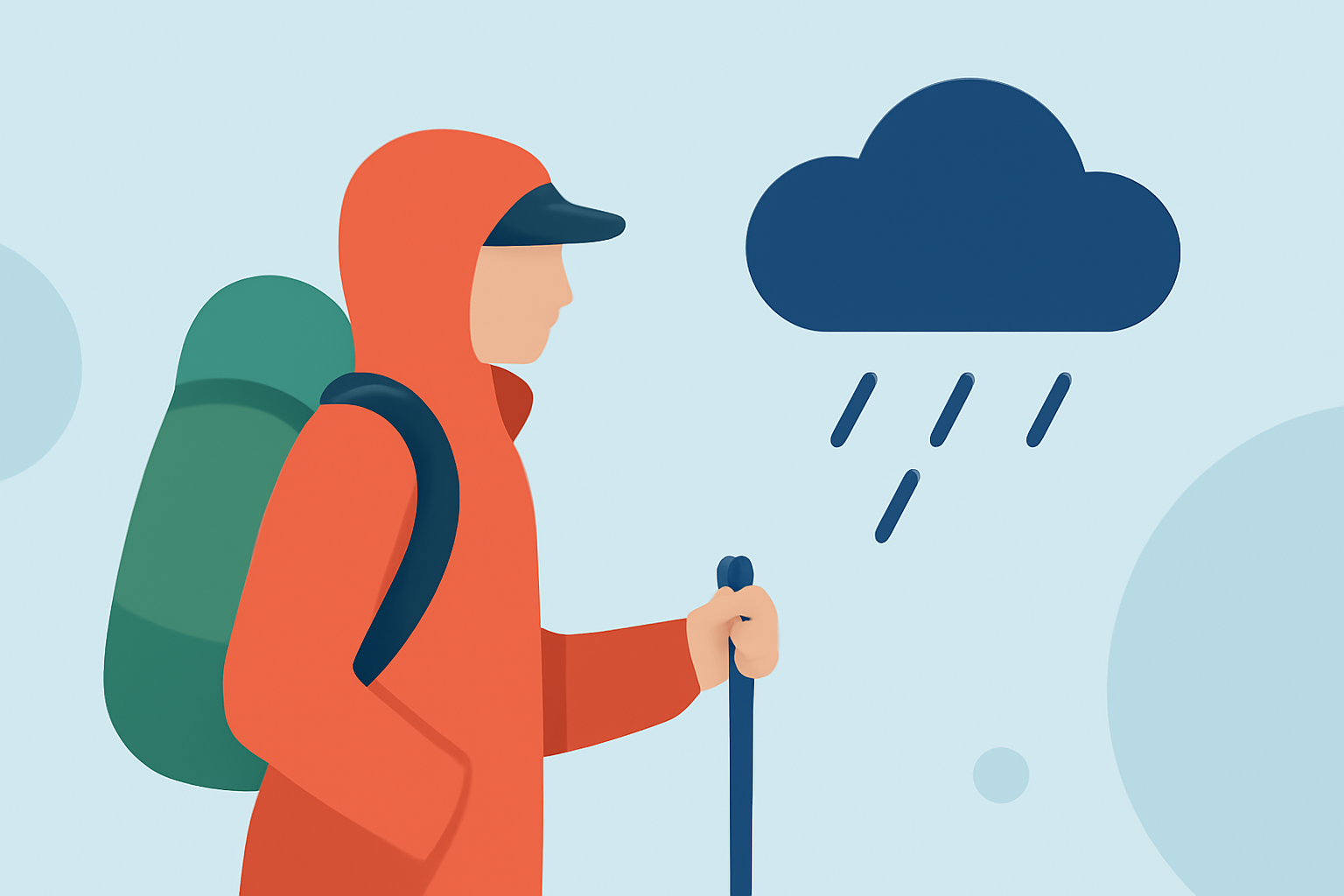
Hiking offers a rewarding way to connect with nature, but it's essential to be prepared for the weather conditions you might encounter. Understanding and anticipating weather patterns can significantly enhance your safety and enjoyment on the trail.
Why is Checking the Weather Forecast Crucial Before Hiking?
Before setting out, always check the local weather forecast. Weather conditions can change rapidly, and being informed helps you plan accordingly. For instance, in areas like Yosemite National Park, temperatures can vary significantly throughout the day, so knowing the forecast allows you to dress appropriately and pack necessary gear. (nps.gov)
How Can Sudden Weather Changes Impact Your Hike?
Sudden weather changes, such as unexpected storms or temperature drops, can pose serious risks. It's advisable to avoid hiking during such conditions. If you hear thunder or notice darkening skies, seek shelter immediately. Remember, "When Thunder Roars, Go Indoors!" (nps.gov)
What Should You Do if Caught in a Thunderstorm While Hiking?
If you find yourself in a thunderstorm, prioritize safety by seeking shelter in a substantial building or hard-topped vehicle. Avoid tall, isolated trees, water, metal, and power lines, as lightning often strikes the tallest object in the area. If no shelter is available, crouch low to the ground with your feet together, minimizing contact with the ground. (nps.gov)
How Can You Prepare for Rapidly Changing Weather Conditions?
To prepare for sudden weather changes, carry appropriate clothing and gear, such as rain jackets, extra layers, and sun protection. Always inform someone of your hiking plans and expected return time. Staying on designated trails and being aware of your surroundings can also help you respond effectively to changing conditions. (nps.gov)
What Are the Risks of Hiking Without Checking the Weather?
Hiking without checking the weather increases the risk of exposure to extreme conditions, such as heat exhaustion, hypothermia, or lightning strikes. For example, in areas like White Sands National Park, temperatures can exceed 100°F (38°C) during summer months, making hydration and sun protection critical. (home.nps.gov)
How Can You Stay Safe During Unpredictable Weather?
Staying informed about weather forecasts, carrying essential gear, and being prepared to turn back if conditions worsen are key to staying safe. Always prioritize your safety by making informed decisions based on current weather information. (nps.gov)
By understanding and preparing for weather-related challenges, you can ensure a safer and more enjoyable hiking experience.