
Essential Weather Safety Tips for Outdoor Hiking
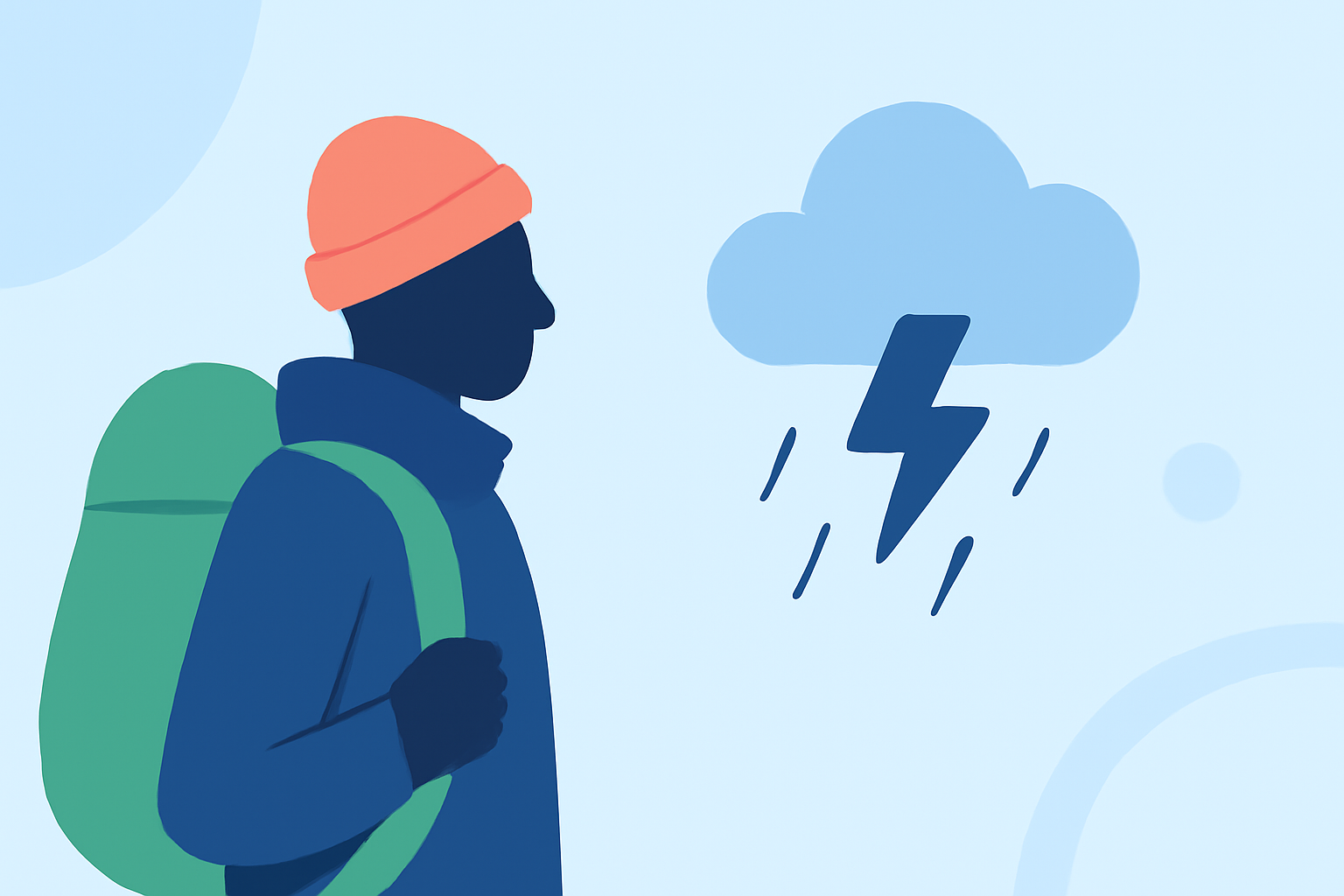
Embarking on a hiking adventure offers a refreshing connection with nature, but it's essential to prioritize safety, especially concerning weather conditions. Understanding and preparing for various weather scenarios can significantly enhance your hiking experience and ensure your well-being.
1. How Can I Prepare for Sudden Weather Changes During My Hike?
Weather conditions can shift unexpectedly, making it crucial to stay informed and prepared.
-
Check the Forecast: Before setting out, review the latest weather updates for your hiking area.
-
Carry Essential Gear: Equip yourself with rain gear, extra clothing layers, and a map or GPS device. (nps.gov)
-
Inform Others: Share your hiking plans, including your route and expected return time, with a friend or family member. (fs.usda.gov)
2. What Should I Wear to Stay Comfortable and Safe in Various Weather Conditions?
Appropriate attire is vital for comfort and protection against the elements.
-
Layering: Dress in layers to adjust to temperature changes. Start with a moisture-wicking base layer, add an insulating layer, and top with a waterproof, windproof outer layer. (rei.com)
-
Footwear: Choose sturdy, waterproof boots with good traction to navigate diverse terrains safely. (nps.gov)
-
Accessories: Wear a hat and sunglasses for sun protection, and carry a lightweight, packable rain jacket for unexpected showers.
3. How Can I Stay Hydrated and Energized During My Hike?
Maintaining hydration and energy levels is crucial for a safe hiking experience.
-
Hydration: Carry sufficient water, aiming for at least one quart every two hours of hiking. (home.nps.gov)
-
Nutrition: Pack high-energy snacks like nuts, trail mix, and energy bars to sustain your energy levels throughout the hike.
4. What Are the Signs of Heat-Related Illnesses, and How Can I Prevent Them?
Recognizing and addressing heat-related issues promptly is essential for safety.
-
Symptoms: Be alert to signs such as dizziness, excessive sweating, nausea, and confusion.
-
Prevention: Hike during cooler parts of the day, wear light-colored clothing, and take regular breaks in shaded areas. (rei.com)
5. How Should I Respond to Thunderstorms and Lightning While Hiking?
Safety during thunderstorms requires prompt and informed action.
-
Seek Shelter: If you hear thunder, seek shelter immediately. Avoid open fields, ridges, and isolated trees. (nps.gov)
-
Avoid Water: Stay away from bodies of water, as they can attract lightning.
-
Wait for the All-Clear: Remain in shelter until at least 30 minutes after the last thunderclap before resuming your hike.
6. What Are the Risks of Cold Weather, and How Can I Protect Myself?
Cold temperatures can lead to hypothermia and frostbite if not properly managed.
-
Dress Appropriately: Wear insulated, waterproof clothing and accessories to retain body heat. (nps.gov)
-
Stay Dry: Moisture can accelerate heat loss; ensure your clothing and gear remain dry.
-
Monitor Conditions: Be prepared to turn back if weather conditions worsen or if you feel unwell.
7. How Can I Ensure My Safety in Remote Areas with Limited Cell Service?
In areas with poor or no cell service, additional precautions are necessary.
-
Navigation Tools: Use a map and compass, and know how to use them effectively. (nps.gov)
-
Emergency Plan: Establish a clear plan for emergencies, including designated meeting points and communication methods.
-
Stay Informed: Check in with park rangers or local authorities about trail conditions and weather forecasts before heading out.
By adhering to these guidelines, you can significantly enhance your safety and enjoyment during your hiking adventures. Always prioritize preparation and stay vigilant to weather changes to ensure a safe and memorable experience.
Highlights:
- Hot Weather Hiking Tips: What to Wear in the Heat | REI Expert Advice, Published on Sunday, June 01
- Cold-Weather Hiking Tips | REI Expert Advice, Published on Sunday, June 01
- Winter Hiking Tips (U.S. National Park Service), Published on Tuesday, April 01