
Essential Weather Tips for Dog Walks: A Pet Owner's Guide
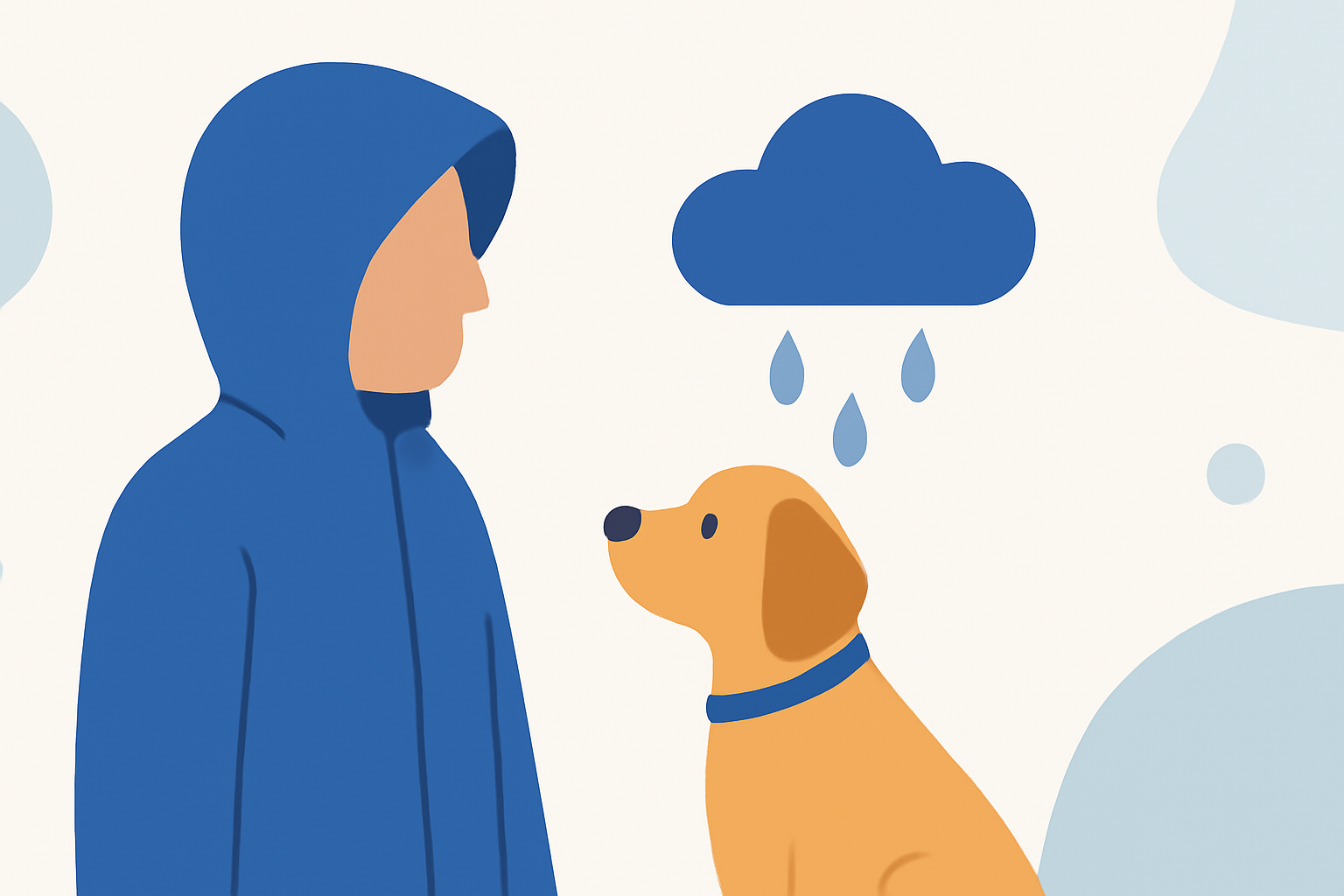
Walking your dog is a cherished daily activity, but different weather conditions can pose challenges. Understanding how to adapt your walks to various climates ensures your dog's safety and enjoyment.
How Does Hot Weather Affect Dogs?
Dogs are susceptible to heat-related issues, as they lack efficient cooling mechanisms like humans. They primarily cool down through panting and the pads of their feet. In hot conditions, dogs can quickly overheat, leading to heatstroke, which is life-threatening. Signs include heavy panting, drooling, red gums, and lethargy. If you notice these symptoms, move your dog to a cooler area and contact a veterinarian immediately. (akc.org)
How Can I Protect My Dog's Paws in Hot Weather?
Hot pavement can burn your dog's paws. To test the ground's temperature, place your hand on the pavement for seven seconds; if it's too hot for you, it's too hot for your dog. Walk during cooler parts of the day, such as early morning or evening, and consider using protective booties to shield their paws. (akc.org)
What Are the Signs of Heatstroke in Dogs?
Heatstroke in dogs is a serious condition that requires immediate attention. Early signs include excessive panting, drooling, red gums, and lethargy. If you observe these symptoms, move your dog to a cooler area and contact a veterinarian immediately. (akc.org)
How Does Cold Weather Affect Dogs?
Cold temperatures can lead to hypothermia and frostbite in dogs. Short-coated and small breeds are particularly vulnerable. Signs of hypothermia include shivering, lethargy, and weakness. Frostbite can cause skin to appear pale or blue. Limit outdoor time during extreme cold and provide a warm, dry shelter for your dog. (akc.org)
How Can I Keep My Dog Warm in Winter?
To keep your dog warm during winter walks, consider using a well-fitted coat or sweater, especially for short-coated breeds. Booties can protect paws from ice and salt. After walks, dry your dog thoroughly and check for signs of frostbite. Ensure your dog has a warm, dry place to rest indoors. (akc.org)
How Does Rain Affect Dog Walks?
Some dogs are hesitant to walk in the rain due to the sensation of wet fur. To help your dog adjust, use positive reinforcement by offering treats and praise during and after walks. A well-fitted, water-resistant coat can keep your dog dry and comfortable. Keep walks short and gradually increase their length as your dog becomes more comfortable. (akc.org)
How Can I Train My Dog to Walk in the Rain?
To train your dog to walk in the rain, start by introducing them to rain gear at home, allowing them to explore it in a calm environment. Gradually take them outside during light rain, rewarding them with treats and praise for positive behavior. Keep initial walks short and increase their duration as your dog becomes more comfortable. (akc.org)
How Does Weather Affect My Dog's Mood?
Weather changes can influence your dog's behavior. Some dogs may become more energetic in cooler weather, while others might prefer to rest. Pay attention to your dog's cues and adjust activities accordingly. Providing indoor enrichment, such as puzzle toys or training sessions, can help keep your dog stimulated during inclement weather. (akc.org)
How Can I Ensure My Dog's Safety During Walks?
Regardless of the weather, always keep your dog on a leash to prevent accidents. Use reflective gear or lights during low-visibility conditions. Stay hydrated and take breaks as needed. Be mindful of your dog's comfort and health, adjusting walks to suit their needs and the weather conditions.
By understanding how different weather conditions affect your dog and taking appropriate precautions, you can ensure enjoyable and safe walks year-round.