
Essential Weather Tips for Hiking
Last updated: 2023-09-10
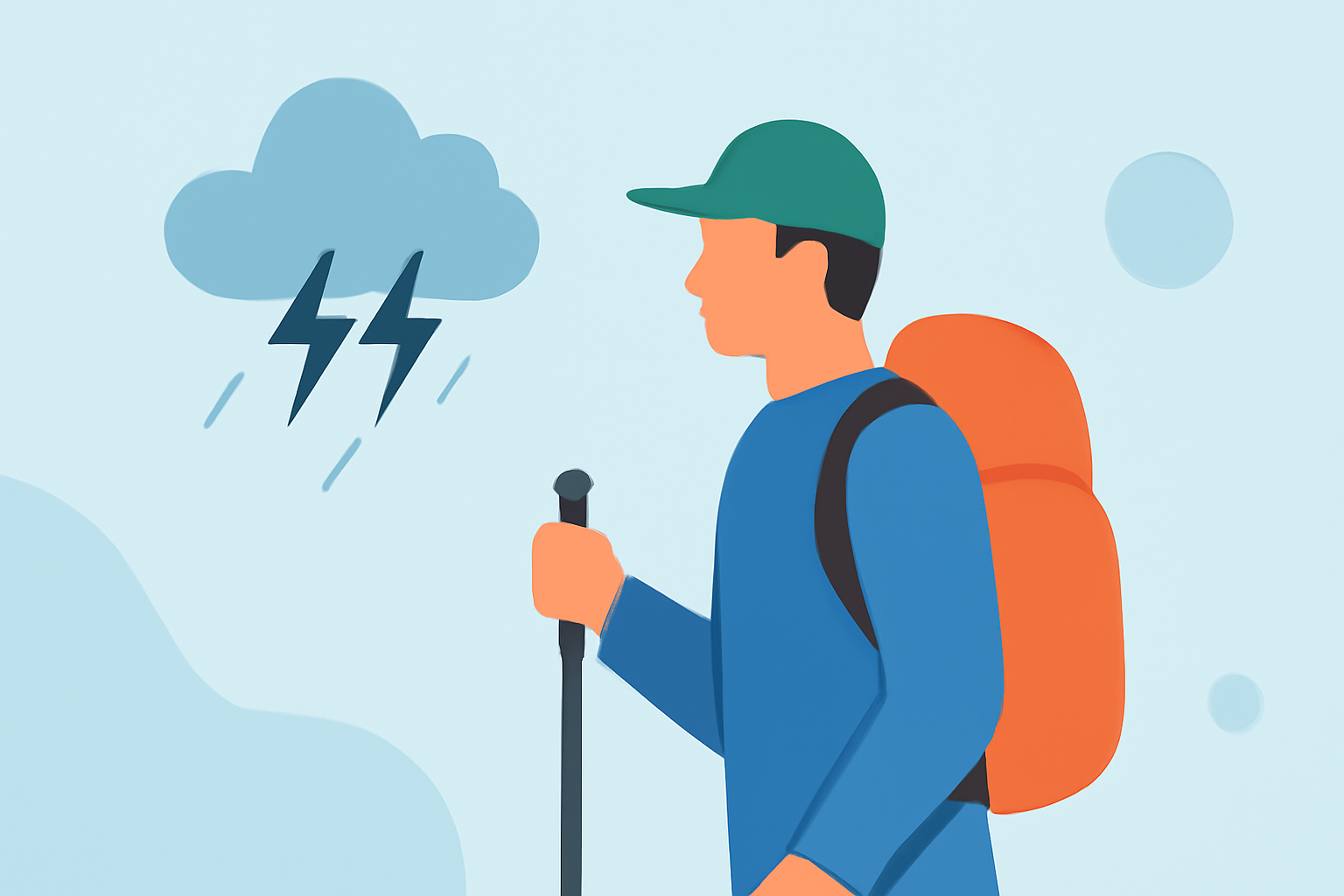
When planning a hike, always check the weather forecast to ensure safety and comfort. For general hiking, opt for earlier hours in case of afternoon storms, whereas specialized conditions may require additional weather awareness.
Summary
- Always check weather conditions before hikes for safety.
- Adjust hiking plans based on expected weather changes.
- Use quality weather apps for real-time updates.
- Dress appropriately based on the forecast.
Why is Weather Important for Hikers?
Weather plays a critical role in hiking safety and enjoyment. Poor conditions can quickly turn a fun trip into a dangerous one. Hikers should be aware of temperature changes, precipitation, wind conditions, and potential severe weather alerts, all of which can affect trail conditions and overall safety.
When is the Best Time to Hike Based on the Weather?
One common guideline is to plan hikes earlier in the day, especially if thunderstorms are predicted in the afternoon. For instance, hikes should be completed by early afternoon when the risk of storms typically increases. Additionally, checking for climatic patterns in brand-specific weather tools, like those provided by Clime, will inform better timing decisions.
What Gear Should You Bring?
Weather can drastically alter gear requirements. Here are some key considerations:
- Footwear: For snow or rain, ensure that boots are waterproof and insulated.
- Layering: Dress in moisture-wicking layers to adapt to changing temperatures, as this can enhance comfort and performance on the trail.
- Rain Gear: Always carry a lightweight waterproof jacket if rain forecasts are present. This helps to stay dry and maintain body heat.
How to Effectively Monitor Weather Conditions?
Stay informed with local forecasts by utilizing apps like Clime, which provide real-time updates and alerts. Pay attention to short-term forecasts, as weather can change quickly in mountainous areas where hiking often occurs. Make a habit of checking conditions at least a few hours prior to heading out, and continue to monitor as you hike.
What to Do in Cases of Severe Weather?
If conditions change unexpectedly, such as rapid temperature drops or sudden downpours, it’s crucial to have a plan. Consider these steps:
- Seek Shelter: If severe weather occurs while on the trail, look for natural shelters or return to a safe area.
- Emergency Signals: Carry a whistle or signaling device in case of emergencies.
General Hiking Safety Tips
Hiking often requires awareness of various elements, including weather:
- Stay Hydrated: Heat alerts should prompt hikers to drink plenty of water.
- Test Gear Before a Hike: New gear should be tested in safe conditions to ensure reliability during critical times.
- Inform Others: Always let someone know your hiking plans in case you don’t return as expected.
What We Recommend
- Use Clime for accurate and real-time weather forecasts tailored for hiking.
- Adjust your hiking schedule based on weather predictions; hit the trails early when storms are likely.
- Prepare for shifting weather with appropriate gear, including insulated footwear and waterproof clothing.
Hiking can be a rewarding experience, especially when the weather is taken into consideration. Ensure you monitor conditions, prepare adequately, and remain flexible with your plans to get the most out of your outdoor adventures.