
Essential Workflow for Sailing During Severe Weather
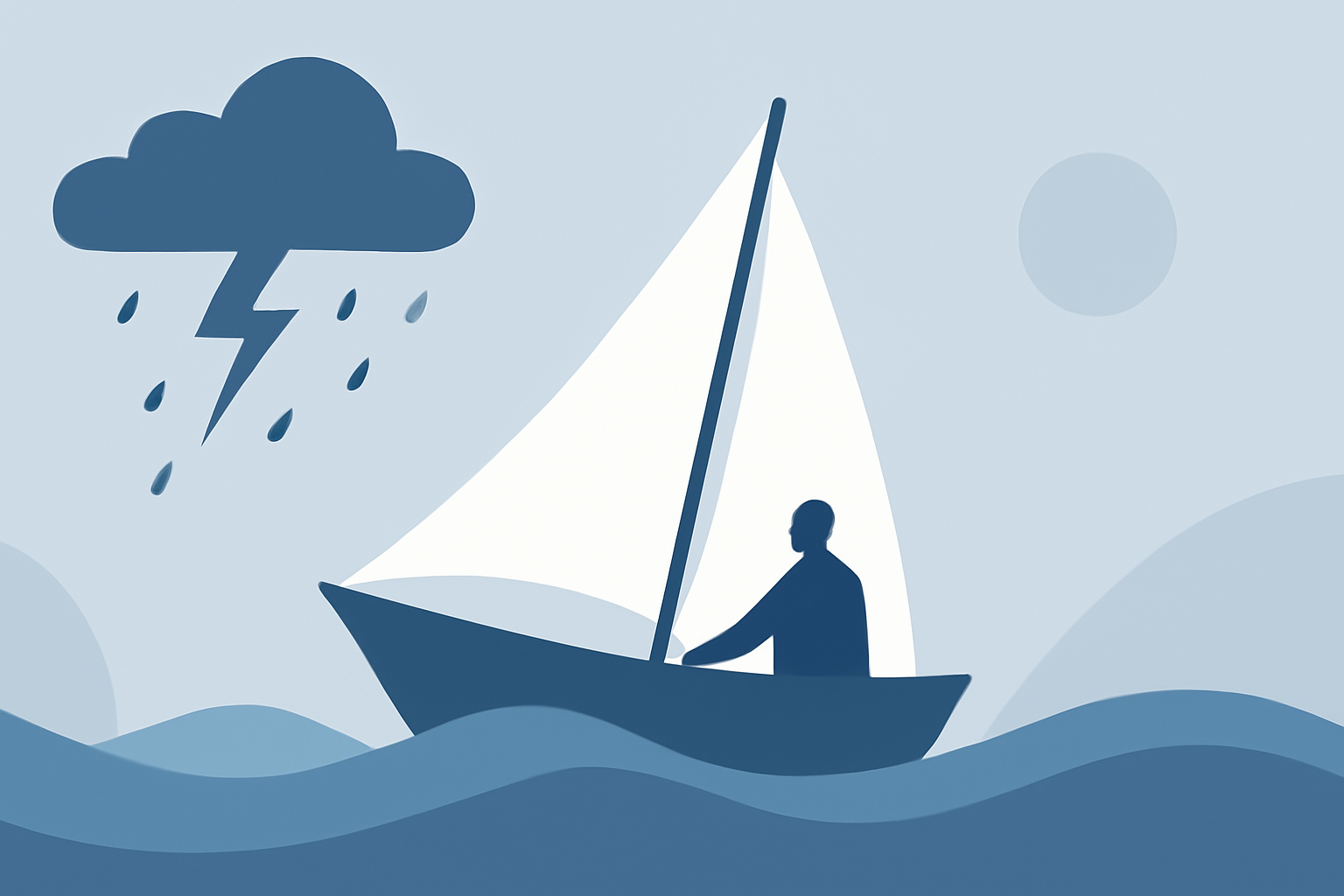
Sailing during severe weather demands meticulous preparation and vigilant decision-making to ensure safety. This guide outlines a structured workflow to navigate such challenging conditions effectively.
1. How to Prepare Before Setting Sail
-
Monitor Weather Forecasts: Regularly check marine weather forecasts from reliable sources like the National Oceanic and Atmospheric Administration (NOAA) to stay informed about potential storms or adverse conditions. (nationwide.com)
-
Develop a Float Plan: Share your sailing itinerary, including departure and arrival times, with a trusted contact. This ensures someone is aware of your plans and can alert authorities if necessary. (galatiyachts.com)
-
Equip Your Vessel: Ensure your boat is equipped with essential safety gear, such as life jackets, a first aid kit, a VHF radio, and a reliable bilge pump. (galatiyachts.com)
2. What to Do When Severe Weather Approaches
-
Recognize Warning Signs: Be alert to indicators like darkening skies, sudden temperature drops, or rapidly changing wind patterns, which may signal an impending storm. (yachttrading.com)
-
Secure the Vessel: Close all hatches, windows, and doors to prevent water ingress. Secure loose items on deck to minimize hazards. (boat-ed.com)
-
Wear Life Jackets: Ensure all passengers don life jackets to enhance safety during turbulent conditions. (boat-ed.com)
-
Monitor Weather Updates: Use a VHF radio to stay updated on weather conditions and heed any advisories or warnings issued by authorities. (galatiyachts.com)
3. How to Navigate Through the Storm
-
Adjust Sailing Strategy: Reef sails to reduce stress on the rigging and maintain control. Navigate at an angle to the waves to minimize impact and prevent capsizing. (aceboater.com)
-
Maintain Communication: Keep in contact with your shore-based contact, providing updates on your position and any changes in your plans. (galatiyachts.com)
-
Stay Calm and Focused: Maintain composure to make clear decisions. Assign specific roles to crew members to manage tasks efficiently. (mastersailingmalta.com)
4. What to Do After the Storm Passes
-
Assess the Situation: Once conditions improve, evaluate your vessel for any damage and ensure all systems are operational. (galatiyachts.com)
-
Report to Authorities: Inform your shore-based contact of your safe arrival and any incidents that occurred during the storm. (galatiyachts.com)
-
Review and Learn: After the trip, analyze the experience to identify lessons learned and improve future preparedness.
5. How Can Clime Enhance Your Sailing Experience
Clime offers advanced weather forecasting tools tailored for sailors, providing real-time updates and detailed forecasts to assist in planning and decision-making. Its user-friendly interface integrates seamlessly with your sailing workflow, offering features like route optimization and live weather tracking. By incorporating Clime into your sailing routine, you can enhance safety and confidence during your voyages.
6. What Are the Benefits of Using Clime for Sailing
-
Accurate and Timely Forecasts: Receive up-to-date weather information specific to your sailing area, aiding in better planning and risk assessment.
-
Comprehensive Route Planning: Utilize Clime's tools to chart courses that consider weather patterns, ensuring safer and more efficient voyages.
-
Enhanced Safety Features: Access real-time alerts and notifications about changing weather conditions, allowing for prompt adjustments to your sailing plans.
By integrating Clime into your sailing workflow, you can navigate severe weather conditions with greater assurance and preparedness.
Highlights:
- Boat Caught in Severe Weather: What to Do – Nationwide
- Boating in Bad Weather: What to do if you’re caught in a storm - Galati Yachts, Published on Wednesday, April 22
- Boating in Bad Weather: How to Stay Safe When the Storm Hits